Upgrading and replacing your boiler
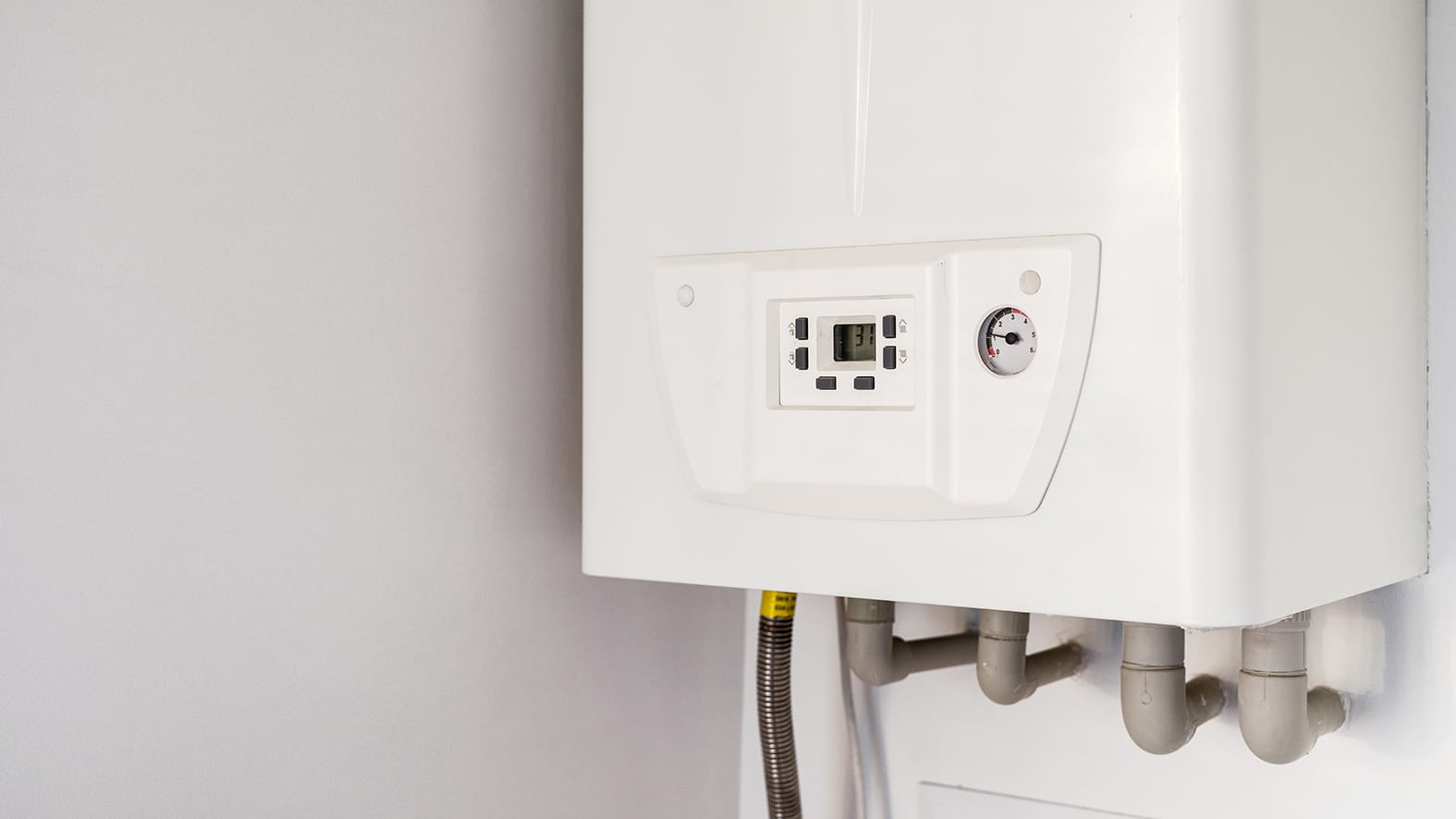
About half of your annual energy costs go towards heating and hot water, so an efficient boiler is important.
Upgrading your boiler could save you around £320 each year on heating bills (figures from Energy Saving Trust and based on energy prices in July 2026). This is based on a semi-detached home on mains gas, upgrading from a G-rated boiler to an A-rated condensing boiler with full heating controls. The savings are even greater for larger properties and for heating systems that run on oil.
Today’s central heating boilers are much better than the older models. They can heat water more efficiently, meaning they use less gas or oil to do the same job. This saves energy and will save you money.
Building regulations specify that if you’re replacing an old boiler the new one must be A-rated for energy efficiency. This will almost certainly be a condensing boiler.
What is a condensing boiler?
Condensing boilers are more efficient because they extract the heat from the hot exhaust gases (or ‘flue gases’) that all boilers produce.They use this heat to pre-heat the water fed into the boiler so the boiler doesn’t have to work so hard to heat it up. Non-condensing boilers simply expel the hot gases into the air and the heat is wasted.
You’ll notice that the vapour that comes out of a condensing boiler’s flue forms a visible plume of ‘steam’. This is actually a mixture of water vapour and other gases. It’s perfectly normal and is an indication that the gases are cooler than those vented by non-condensing boilers.
Types of boiler
Condensing boilers come in both combination and system models. A combination (or ‘combi’) boiler will provide your central heating and produce hot water on demand, firing up when you turn on a hot tap in the kitchen or bathroom.
A system boiler will do your central heating, but rather than produce hot water on demand, it will heat a quantity of water which is held in a storage cylinder until required.
Some boilers only run the central heating and don’t provide hot water at all. In this case an electric immersion tank or another form of water heating is required.
Making your new boiler more efficient
To make your boiler more efficient, make sure it’s being installed with heating controls. As a minimum, you should have a room thermostat and a programmer (or a programmable room thermostat) installed, so you can manage your heating temperature and schedule.
You could also have a weather compensator and a load compensator installed. A weather compensator adjusts the boiler temperature in line with the outside temperature, so it uses less fuel when it’s warmer outside. A load compensator works similarly but it instead adjusts the boiler temperature in line with the internal temperature of the home, meaning it uses less fuel when it’s warmer inside.
Having a new boiler installed
If you decide to go for a new boiler, you should get at least three quotes from qualified heating engineers. These should be on the Gas Safe Register or registered with OFTEC for oil-fired systems. It’s illegal and potentially extremely dangerous for someone who is not fully qualified to fit a central heating boiler.
If your engineer is also on a Competent Persons Scheme, they can self-certify their installation meets building regulations. If they aren’t on a Competent Persons Scheme, you’ll need building regulations approval from the council or a registered building control approver.
When your new boiler’s being installed, the installer should give the heating system a power-flush (or a mains pressure flush for some models) to remove sludge and other deposits that could damage the new boiler. The installer may also add lime scale inhibitors or water softeners to prevent the build up of lime scale. The boiler should be serviced annually to ensure that it stays in good working order and maintains its efficiency.
Plan for boiler replacement
No one wants to go without heating and hot water in the winter, so it makes sense to plan the replacement of your boiler rather than wait for it to break down. It also means that you can shop around for quotes rather than having to get an emergency replacement in a rush. Heating engineers are busier in the winter, so if your boiler breaks down then, you may have a long wait before someone can fix it.
But before you spend money on a heating system, make sure your home is as insulated as practically possible and you’ve addressed air leakage. An insulated and airtight home keeps the heat in better so you may be able to get by with a smaller (and cheaper) boiler.
Measures like loft insulation and cavity wall insulation are extremely cost effective and can pay for themselves in just a few years. If you’d like to replace your boiler with a heat pump, take a look at the Boiler Upgrade Scheme.
-
Advice
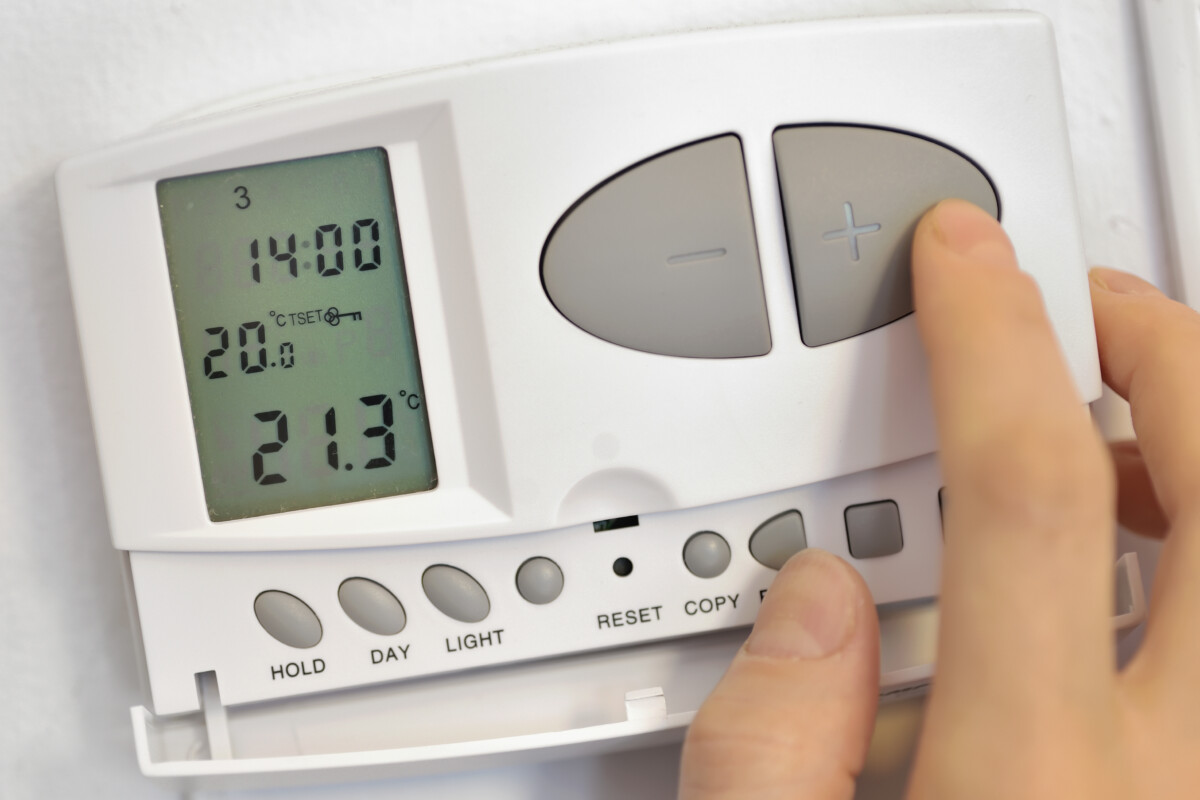
Gas and oil central heating controls
If you know how to set your heating controls, you’ll save money on your bills.
Saving money Keeping your home warm Healthy homes -
Advice

Why is my energy bill so high?
Is your gas or electricity bill much higher than you’re expecting? We’ll help you work out why.
Saving money Your energy supply -
Advice

Saving water to save money
By reducing the amount of hot water you use, you’ll also cut your bills for gas, electricity or oil.
Saving money Managing your bills -
Advice
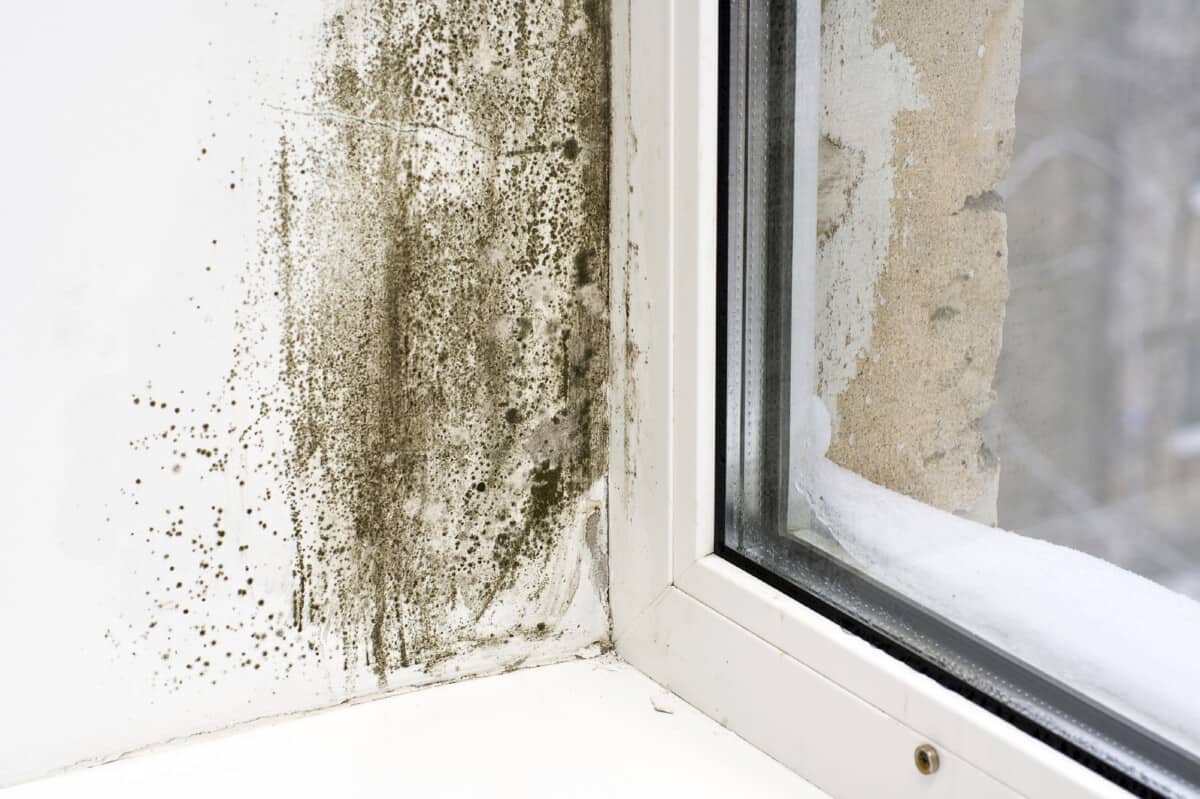
Condensation, damp and mould
Too much moisture in the house can cause mould. Here’s what to do about it.
Keeping your home warm Healthy homes