Planning reform is failing the climate

Last week, the UK recorded its hottest May temperature ever. The Climate Change Committee is warning that 40°C summers could become routine, and that heatwaves may eventually exceed 45°C.
Up to 10,000 people a year could die prematurely from overheating. Against that backdrop, the government is proposing to weaken the planning system’s ability to tackle climate change. As Dan Stone, CSE’s policy officer, puts it: “This seems like madness.”
That is why CSE has co-signed a letter to the prime minister from the Better Planning Coalition calling for a reset of planning policy.
Why planning matters for climate action
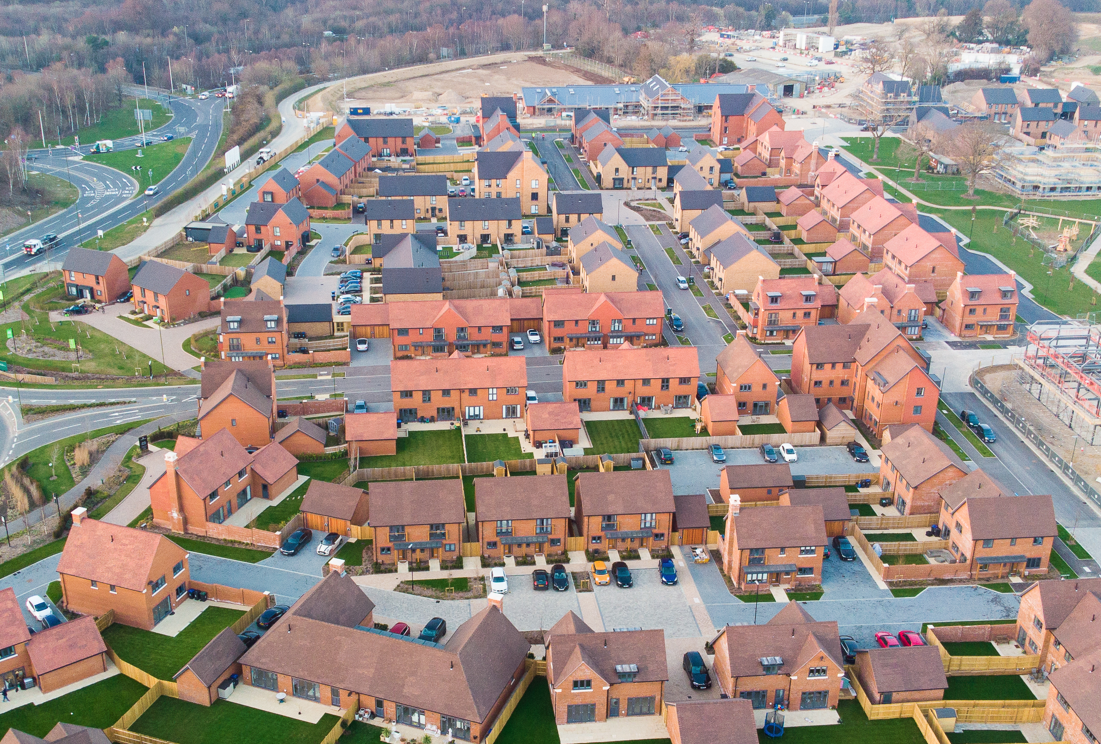
The planning system shapes the homes and neighbourhoods we live in and infrastructure we build. It affects how quickly we can cut emissions, how well new development supports renewable energy, and whether places are designed to cope with rising temperatures, flooding and other climate impacts.
What the proposed reforms would change
Changes to the National Planning Policy Framework consulted upon this spring would, in practice, push climate concerns down the agenda in favour of a growth-at-all-costs approach. They would make it harder for councils to set strong zero carbon standards for new development, to introduce policies that reduce overheating, and to refuse applications on climate grounds. They would also make it harder for councils to check whether their local plans are consistent with the emissions reductions required by the Climate Change Act.
There are some welcome elements in the draft, including a stronger emphasis on renewable energy (the cornerstone of our future economy), and, for the first time, mentions overheating and wildfire risk. But these are limited improvements. The overall direction is to constrain rather than expand what local councils can do.
A summer of warning signs
The 2022 heatwave, when temperatures exceeded 40°C in the UK for the first time, contributed to more than 3,000 early deaths. Climate change does not cause any single heatwave, but it makes extreme heat far more likely and far more severe.
The Climate Change Committee’s latest assessment of climate risk, A Well-Adapted UK, details the climate extremes that await us and just how ill-prepared we are. Maximum temperatures in the UK could regularly surpass 40°C in many areas. The hottest heatwaves could exceed 45°C. Without adaptation, premature deaths from overheating could rise to 3,000 to 10,000 each year. By 2050 more than 90% of homes will overheat. Alongside extreme heat, we can expect extremes at both ends: extreme rainfall, drought and flood and wetter winters.
What government should do instead
Our 2023 study for the Climate Change Committee found a major gap between the recognised potential of spatial planning to respond to climate change and what the system is currently delivering. Three years on, that gap remains.
The government should be closing that gap, not widening it – yet these reforms point in the opposite direction. National planning policy should align with climate law and support local authorities to go further, not hold them back. We’re calling on the prime minister to change course.
-
Resource
Spatial Planning for Climate Resilience & Net Zero
Report for the Climate Change Committee, July 2023 looking at barriers & opportunities for delivering net zero through the local planning system.
Planning -
News

A climate duty for local authorities
Should local authorities have a legal duty to address climate change? We brought together council leaders and sustainability officers to explore this …
-
News

Planning for climate change in England
Our letter outlines key recommendations for further strengthening the planning system’s role in tackling climate change.
Renewables Policy -
News
CSE’s response to the Local Power Plan
The plan represents a scaling of ambition that the sector has long been waiting for. More than just money and growth.
Renewables Policy Community energy