The importance of communities in delivering green skills training

The government’s recent Warm Homes Plan sets out ambitious targets for upgrading homes and cutting energy costs by 2030. It’s the biggest public investment in home energy upgrades in British history, with an aim to upgrade 5m homes and deliver 180,000 new jobs within the decade. Demand is growing for the ‘green skills’ needed for these jobs, which include trades such as plumbing, electrical work, welding and insulation installation. Alongside this, the Local Power Plan highlights the importance of communities across the UK having a voice and stake in our energy system.
At the same time, the country is facing a looming green skills crisis. While young people want jobs with a positive impact on the environment, according to MCS Foundation research ‘there is a lack of awareness of what those jobs are and how to go about preparing for them’. Many young people are missing out on learning about green careers, particularly those disengaged from formal education or facing barriers to participation.
Existing green skills provision
There’s growing demand for green skills training, alongside an expanding provision across the country. Much of this focuses on upskilling established contractors or promoting formal apprenticeships and technical training. While these routes can offer valuable opportunities, they remain difficult to access for many people due to limited trust, awareness and confidence, as well as wider structural and cultural barriers.
There’s also a national mismatch between available funding and practical delivery. In recent years as much as £1bn of Apprenticeship Levy funding was returned unspent, while procurement models in retrofit and construction often favour larger national firms. This can limit local workforce development and reduce the economic benefits for the communities where the work takes place.
The need for place-based approaches
This highlights the opportunity for more place-based approaches that connect skills funding directly with neighbourhood delivery.
Communities understand their own needs, challenges, and priorities best. Community groups can play an important enabling role by connecting residents, training providers, employers and delivery partners. Over time, this can help build confidence, support community-led innovation, and strengthen local pathways into employment, ensuring the economic benefits of the energy transition are retained locally.
If effectively resourced, communities can also deliver entry level training that builds a strong foundation for more committed training programmes. Evidence shows that locally delivered initiatives can significantly increase uptake of energy efficiency measures compared to top-down approaches.
Our work with Bristol communities
Over the past year, we’ve worked with Bristol City Council and three brilliant community partners: Eastside Community Trust, Knowle West Media Centre and Southmead Development Trust. These trusted, place-based organisations are well positioned to inspire young people and upskill residents through strong community relationships, locally rooted infrastructure and experience supporting their own diverse communities.
Led by Bristol City Council and funded by Innovate UK, the Mission Net Zero project has funded skills work in Southmead and Knowle West with the aim of overcoming non-technical barriers to neighbourhood decarbonisation, including lack of green skills.
As part of the project, we’ve also co-developed three Community Climate Investment Plans which provide investment-ready models for green skills delivery in each community. We’ll be publishing these soon – watch this space…
In the video below, Ella explains how Southmead Development Trust’s adventure playground can provide a space for young people to learn about green skills in a community setting.

As part of the project, we’ve also partnered with youth clubs to offer hands-on green skills days to young people across Bristol. Find out more.
Interested in working with us?
Support our work helping communities to plan and deliver green skills training.
-
Project
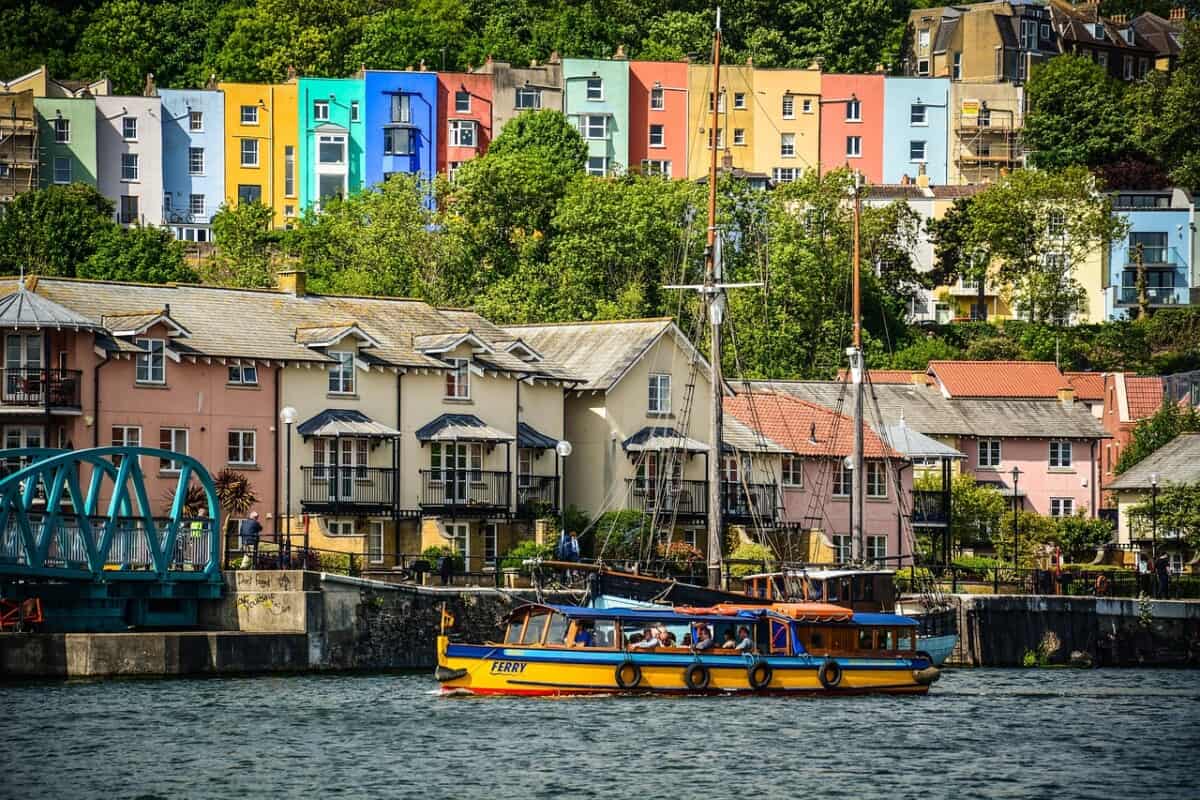
Mission Net Zero
We’re a key player in this £5m initiative, working with communities to speed up Bristol and the West of England’s transition to net zero.
Community energy Behaviour change -
News
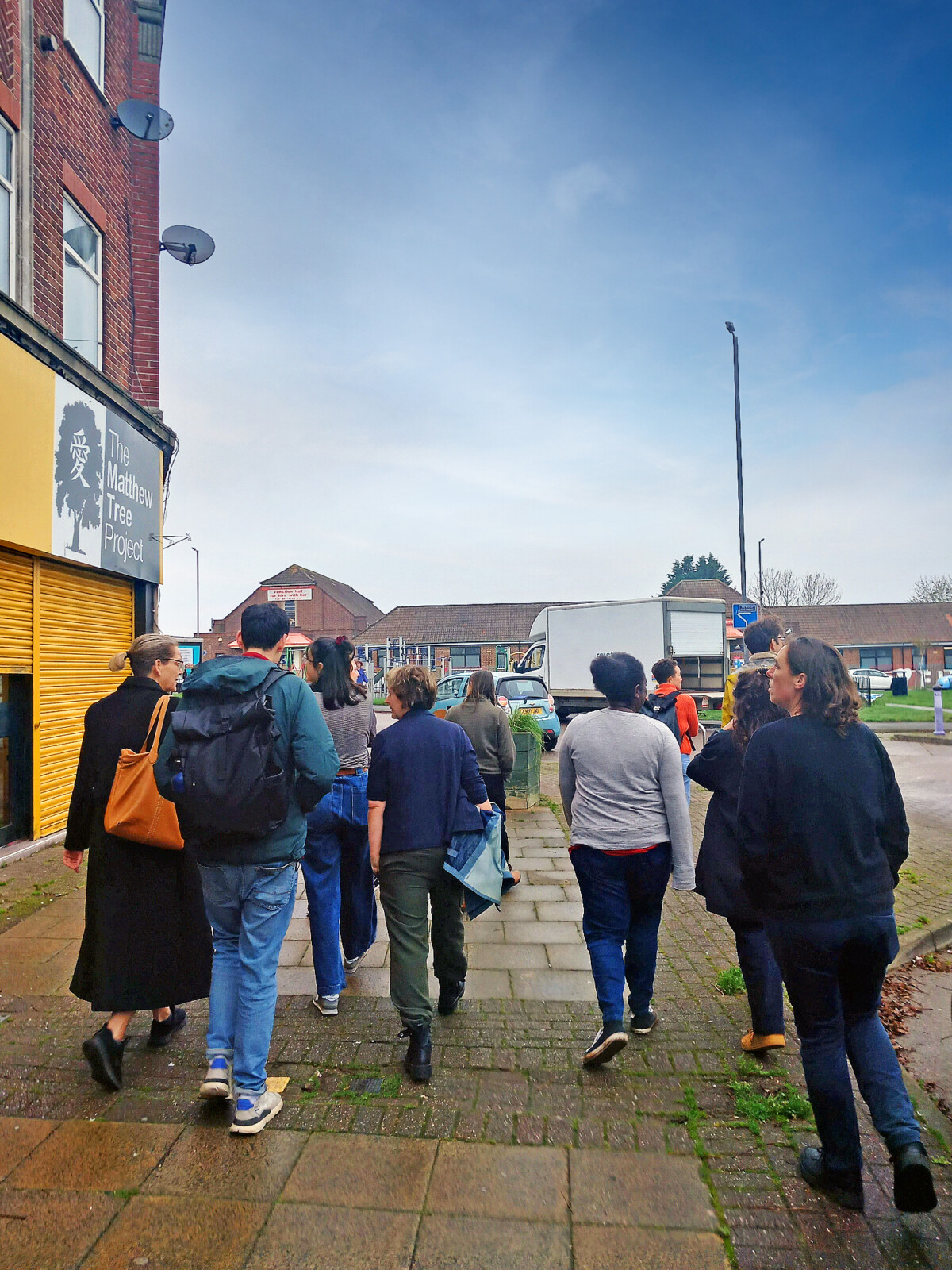
Why communities matter to the Warm Homes Plan
Our work with Bristol communities reveals why place-based approaches are essential for the Warm Homes Plan.
Policy Community energy -
Project
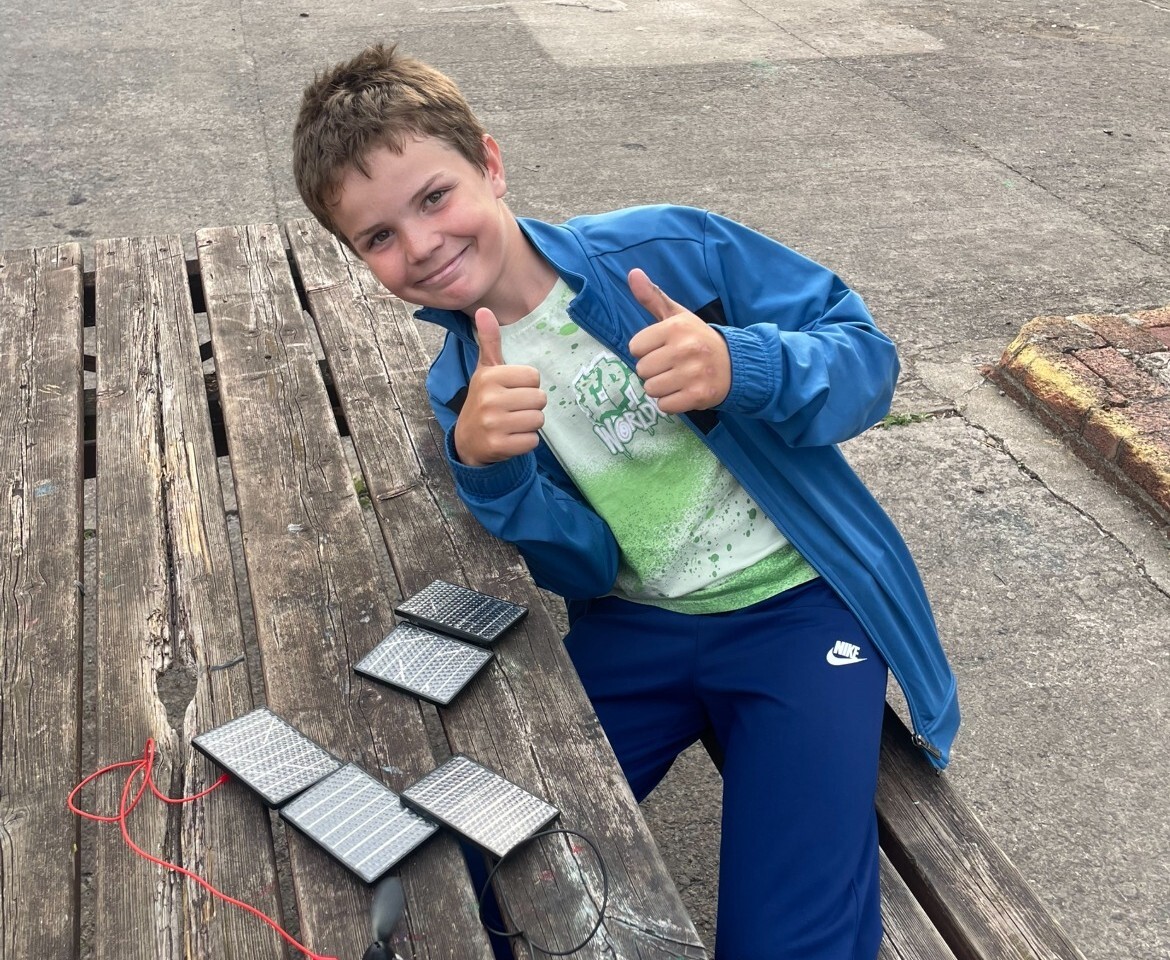
Working with youth clubs to deliver green skills days
We’ve partnered with youth clubs across Bristol to offer hands-on green-skills days to young people.
Community energy Education Future generations