Heat Network Routing and Growth app

The Centre for Sustainable Energy (CSE) has developed a new Heat Network Routing and Growth app for the Department for Energy Security and Net Zero (DESNZ). The software provides a consistent and transparent approach to assessing the viability of heat network proposals within potential heat network zone areas. We’re confident that it will support the implementation of England’s emerging heat network zoning policy.
The app was built in partnership with sustainability consultants ERM.
What are heat networks?
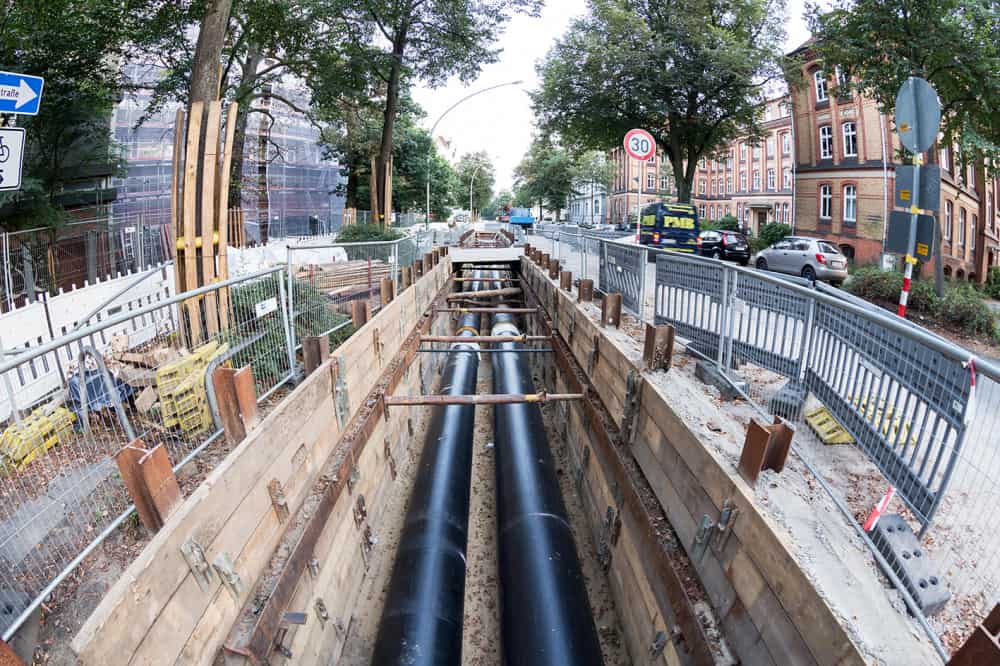
Heat networks are systems of insulated water pipes that distribute heat from one or more heat sources to individual buildings. The source of heat can be low carbon, for example waste heat from industrial processes or data centres. Or they can be fuelled by industrial-scale heat pumps.
Over the next decade, heat networks will play a crucial part in cutting carbon emissions from our heating systems. Currently around 3% of heat in the UK is provided by heat networks and the government estimates that this will need to rise to 20% by 2050 to enable the UK to reach net zero.
How does this relate to the National Zoning Model and Heat Network Zoning?
Recently, CSE, again in partnership with ERM, has supported DESNZ in developing the National Zoning Model. This uses data about buildings, energy demand and local heat sources to map areas called ‘heat network zones’ where heat networks are expected to be the lowest-cost, low carbon. Within the heat network zones, organisations – which could be local authorities and which are referred to as ‘zone coordination bodies’ – may be given powers to help plan and deliver heat networks.
The Heat Network Routing and Growth app builds on this national approach. And while the National Zoning Model identifies where heat networks should be developed, this new application helps determine the optimal heat network design within a specific heat network zone. At the core of the app is CSE’s optimisation engine, THERMOS, made available via an intuitive mapping interface. This allows users to perform complex analysis without the need for specialist heat network modelling expertise.
It is a practical, user friendly application that allows users to:
- Test different heat network routes
- Compare different design options
- Assess costs and carbon savings
- Explore how networks could grow over time
Why is this important?
As heat network zoning is rolled out across England, there is a growing need for consistency in the design and implementation of heat networks. The Heat Network Routing and Growth app enables DESNZ to adopt a robust, evidence-based approach to decision-making while reducing reliance on bespoke and therefore costly consultancy.
By streamlining feasibility assessments, it saves both time and money. And it helps focus that investment where it will have the greatest impact.
Victoria Jappy is CSE’s Senior Software Project Manager. She said: “This is another example of CSE’s ability to apply digital innovation to support the delivery of low-carbon heat infrastructure. We’re contributing directly to the ambitions of the UK’s heat decarbonisation programme”.
-
Project
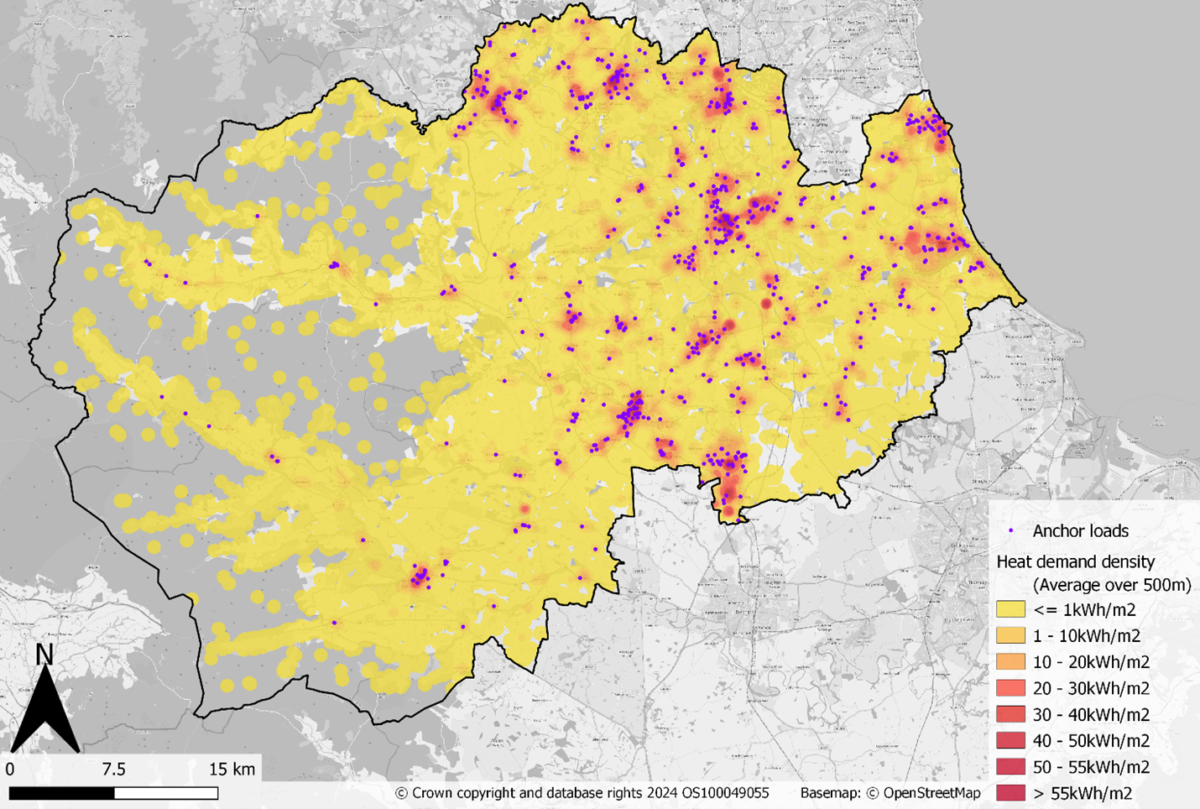
Unlocking heat network potential in rural County Durham
In Durham County Council (DCC), carbon produced by heating buildings accounts for almost half of the emissions across the county. Decarbonising heat h …
-
Project
THERMOS
Software enabling local authorities, developers and consultants to scale up to meet heat networking planning project demands.
-
Project

-
Project

Heat network zoning in rural Westmorland and Furness
Where in this part of Cumbria will heat networks be most likely to succeed.