Unlocking heat network potential in rural County Durham

In Durham County Council (DCC), carbon produced by heating buildings accounts for almost half of the emissions across the county. Decarbonising heat has become a priority to help DCC meet its net zero target by 2050. The Centre for Sustainable Energy (CSE) explored how heat networks could play a role.
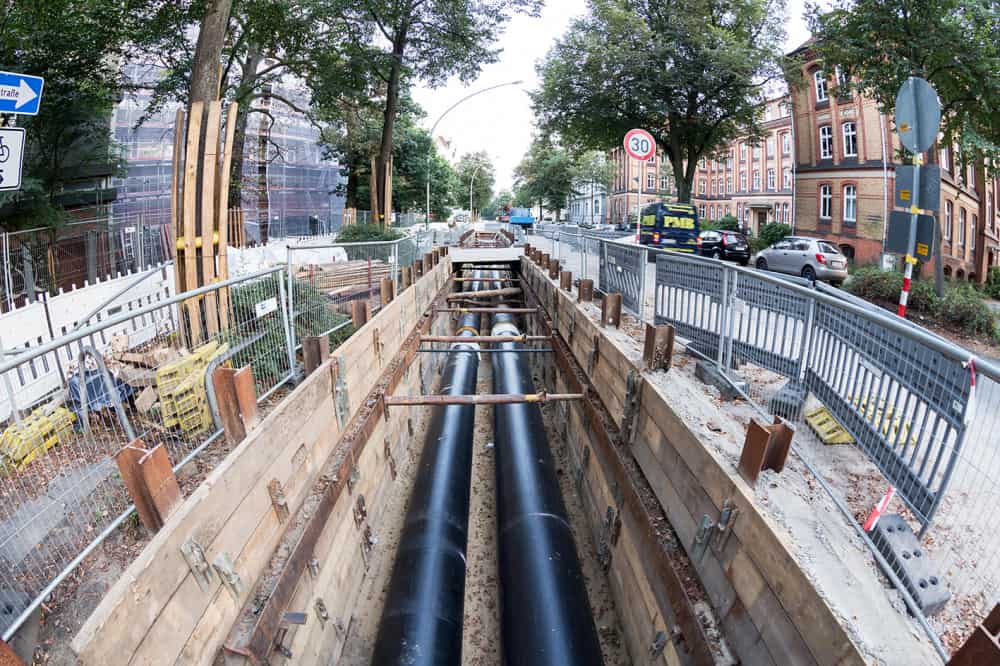
Heat networks, also known as district heating, supply heat from one or more central sources to consumers through a network of underground pipes carrying hot water or steam. It’s a cost-effective way to reduce carbon emissions from space and water heating. In the most suitable areas, heat networks can save 40% more than other decarbonisation options.
Mapping the heat network potential in Durham
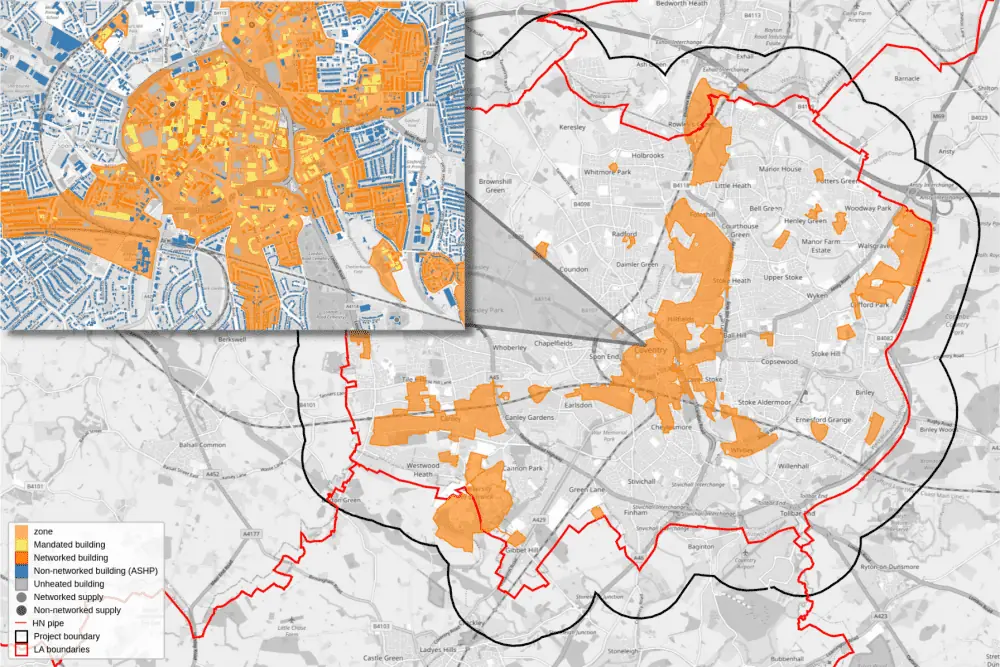
Identifying the most suitable areas for heat networks requires sophisticated technical analysis. CSE mapped heat demand at building-level throughout the county, using THERMOS and our zonal heat demand model. As part of this, we also mapped other low carbon heat sources that could be viable in these areas, like large heat pumps, geothermal sources, and waste heat, such as from data centres.
As well as these technical maps, CSE looked at other factors that can influence an area’s suitability for heat network development. This included demographic data and housing stock condition. Plus, ongoing engagement with stakeholders supplemented the technical work with local on-the-ground knowledge and expertise that helped to highlight the most promising areas for heat networks.
This information, overlayed with the technical maps, painted a detailed picture of the viability of heat networks in Durham.
Barriers to heat network deployment
Despite Durham being a predominantly rural county, there is good potential for heat networks, albeit concentrated around more urban areas. We also discovered that minewater could be used in future heat networks due to Durham’s history of mining. This presents a valuable opportunity to repurpose part of the local heritage into clean heat.
To turn potential plans into heat network deployment requires local authorities to have a key role in all stages of development – from identifying suitable areas to generating local and market interest. Engagement with key stakeholders – such as heat network developers and operators and managers of buildings with high heat demand – around heat networks is vital to create local support, with strong communication approaches and plans integrated in the community.
As part of DESNZ’s upcoming regulations, local authorities will become “zoning coordinators.” This is a brand new role responsible for identifying and designating heat network zones, enforcing requirements and overseeing delivery of the heat networks. If carried out effectively, this role will enable better support and dedication to developing heat networks.
Next steps for Durham County Council’s heat decarbonisation plans
CSE’s analysis has been influential in shaping DCC’s decarbonisation strategy. DCC are using the results and priority areas identified in their application for additional Heat Networks Delivery Unit funding. If successful, this will enable DCC to take the next steps in setting up local heat networks.
This work is a great example to demonstrate that heat networks are not just for urban areas but can also help rural local authorities on their path to net zero.
.
-
Project
THERMOS
Software enabling local authorities, developers and consultants to scale up to meet heat networking planning project demands.
-
Project
Heat Network Zoning Pilot
Developing an expert modelling solution for government Heat Network Zoning proposals.
-
Project

Energy Masterplan in London
Building an evidence base for planners to deliver low carbon energy in the South West of the capital.