Why communities matter to the Warm Homes Plan
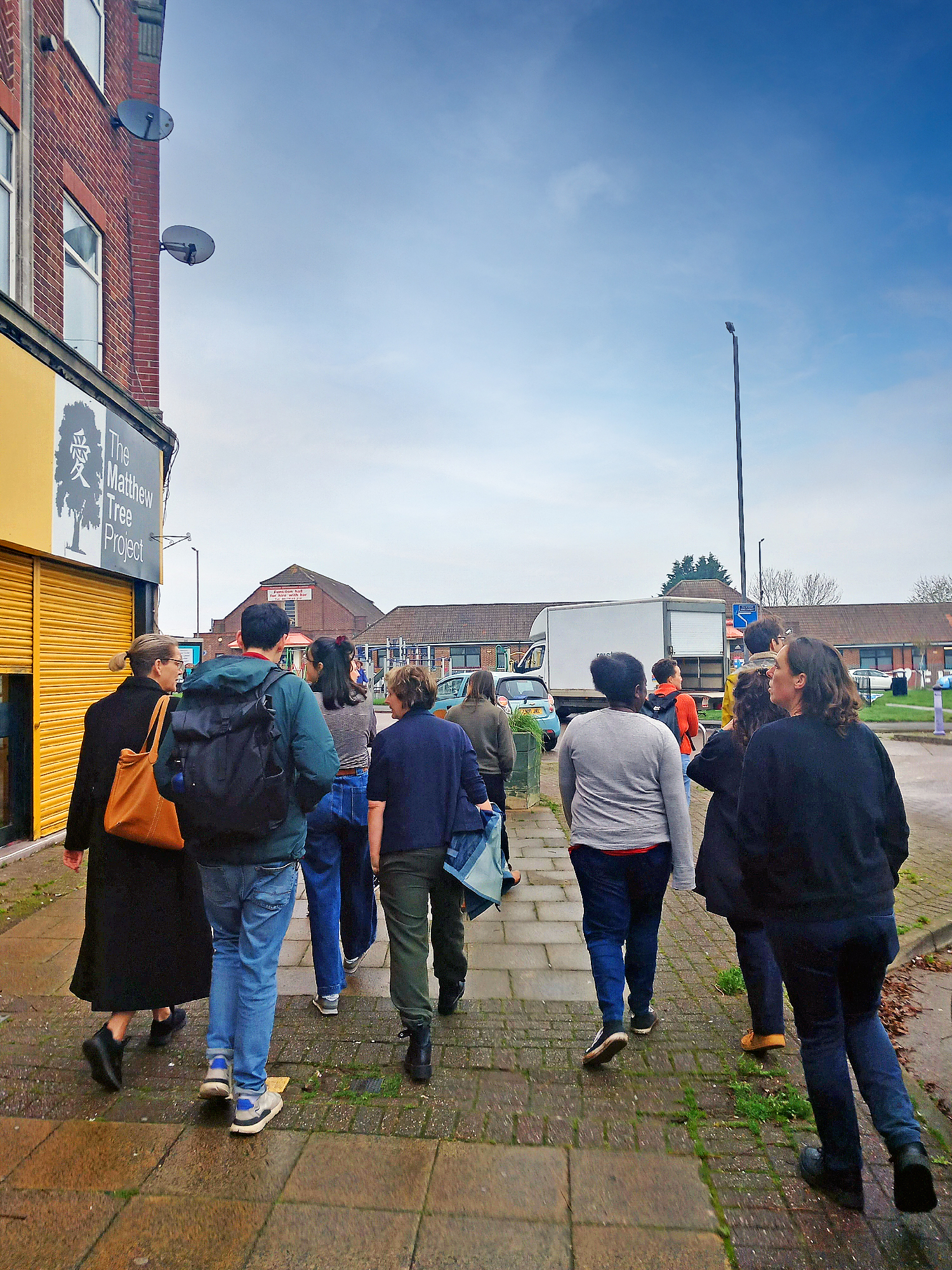
Over the past year, the Centre for Sustainable Energy has worked with Bristol City Council and three brilliant community partners: Eastside Community Trust, Knowle West Media Centre and Southmead Development Trust. Together, we co-developed three Community Climate Investment Plans, or CCIPs. As we wrap up that work, we have also been looking closely at the government’s Warm Homes Plan. It is being described as the biggest public investment in home upgrades in British history. That is exciting. But it also raises a big question: how is it best delivered?
Our experience in Bristol gives a clear answer. Local authorities will get much better results if they work with trusted community groups to deliver tailored, place-based approaches that are joined-up with investment in local delivery mechanisms and skills provision.
Learning from community climate investment planning
In simple terms, the development of community climate plans involved working with residents in Easton and Lawrence Hill, Knowle West and Southmead to turn local climate priorities into projects that can actually be funded and delivered. That meant proper community engagement, not just surveys. It meant asking open questions, not just ticking boxes. It meant going into homes, understanding real housing conditions, mapping technical options, and testing how social value, affordability and carbon reduction can be built in from the start, not bolted on at the end. We will be publishing these plans very soon. If you want to stay up to date, please do subscribe to CSE’s newsletter.
What did we learn from residents?
People were very clear about what they want to see. In their homes, they talked about better insulation and draught proofing, ventilation that really works, fixes for damp and mould, shading and cooling for homes that overheat, affordable solar panels, and trusted advice on what makes sense for different types of houses. Many residents also wanted simple energy saving measures, smart controls they could understand, and practical help dealing with landlords where they do not own their home.
Jobs and skills came up again and again. People did not just want warmer homes. They wanted local people to benefit from the work. That included training and apprenticeships in insulation, heat pump installation, solar, ventilation and building maintenance. Not just vague promises about green jobs, but people who actually understand how to work on existing homes of all ages. And people who could put things right. People who understand some of the mess created by past failed schemes and who can help with poorly installed heat pumps.
It also included roles in surveying, advice, community engagement and project coordination. In Knowle West, people were keen on neighbourhood trade schools and hands-on building workshops. In Southmead, there was strong interest in youth skills programmes linked to retrofit and green construction. In Easton a desire for a local brokerage model to create opportunities, improve service, and support local trades. Across all three areas, people wanted clear routes into decent local jobs, not just short-term contracts brought in from outside.
Why place-based approaches matter
One big insight from the CCIPs was that neighbourhoods need a mix of targeted and universal offers. Some households need intensive, tailored support because of poor housing, low incomes, health issues or renting. At the same time, people also want simple, universal offers that everyone can use, such as free home check-ups, trusted advice, small grants for basic measures, or community solar schemes. The mix really matters. Universal offers help normalise action and build momentum. Targeted support makes sure those most in need are not left behind.
We also learned that you cannot separate the social side of delivery from the technical side. People do not experience retrofit as a list of measures. They experience it as disruption, risk, cost and change to their home. The CCIPs showed the value of bringing community engagement, advice, skills and trust building together with the technical design and installation work.
Putting this into practice, could mean ‘neighbourhood delivery teams’ that include community organisations, local authorities and their various teams (getting repairs and maintenance teams to talk with climate and sustainability people), advisers and installers. This is where local authorities working with community groups makes such a big difference.
From planning to action: lessons for the Warm Homes Plan
As the Warm Homes Plan comes into focus, our work in Bristol offers some clear lessons for the place-based actors who will be asked to turn it into reality.
1. Start with lived experience, not just EPCs
Energy Performance Certificates (EPCs) rarely tell a useful story. They miss real comfort levels, damp and mould, overheating and high bills. These things need to be understood if we want to fix root causes, not just chase quick wins. That might mean fixing gutters and moisture problems before adding insulation, or combining shading, insulation and cooling for homes that overheat in summer.
2. Work with trusted local organisations, not around them
Do not treat community groups as a bolt-on. Or expect them all to be the same. Work with them from the start. Invest time in listening, learning and then listening again. Distrust came up again and again in our work, both between organisations and among residents. These organisations are not just there to engage people. They are potential delivery infrastructure. They can help build trust, reduce risk and support long-term participation. But they need proper funding.
3. Design for mixed tenure and the reality of landlords
People want neighbourhood scale approaches that work street by street or block by block. They want social landlords at the table. And they want protection for private renters from rent hikes or displacement.
4. Fund engagement, skills and early-stage development as core costs
Demand creation, trust building and project development are essential. They are also badly underfunded. People wanted time to understand their options, see demonstration homes, talk to neighbours who had already done work, and build confidence before committing.
5. Scale up without losing local control
Communities often generate lots of small, place-specific opportunities. For example, solar on schools and community buildings, shared energy projects on estates, or cluster retrofit of similar house types. Making smaller interventions financially viable could include group gutter cleaning and chimney cowls to fix damp issues on a street or area-based scale, insulated loft hatches, and targeting of common issues such as missing sloping ceiling insulation.
A regional or national way of bundling these into investable pipelines could help scale delivery while keeping control and benefits rooted locally. This would support the local supply chain and allow small neighbourhood projects to plug into big funding pots without losing their local character or community ownership.
Why this matters now
The Warm Homes Plan is a huge opportunity. But it will only succeed if it is grounded in real places and real lives: the actual existing condition of people’s homes, the reality of the knowledge and skills gaps we are facing. Community groups bring trust, local knowledge and long-term relationships. Organisations like CSE can bring technical, social and delivery expertise to help connect the two. If we want warmer homes, lower bills, skilled local jobs and stronger communities, then place-based approaches are not a nice extra. They are essential.
-
News
CSE responds to the Warm Homes Plan
We’re celebrating the wins in the Warm Homes Plan, while highlighting how the government could go further.
Policy -
News

Open letter on the Warm Homes Plan
We call on the government to honour its manifesto commitment to the Warm Homes Plan and ensure stability in the retrofit market.
Policy -
News

Bristol’s progress on tackling fuel poverty
Our most recent fuel poverty report provides a snapshot of where the city stands as we work to deliver the One City Fuel Poverty Action Plan.
Fuel poverty -
News

Community buildings in climate action
Transformational support for retrofit.
Community energy Planning