Local authorities and community energy: stronger partnerships
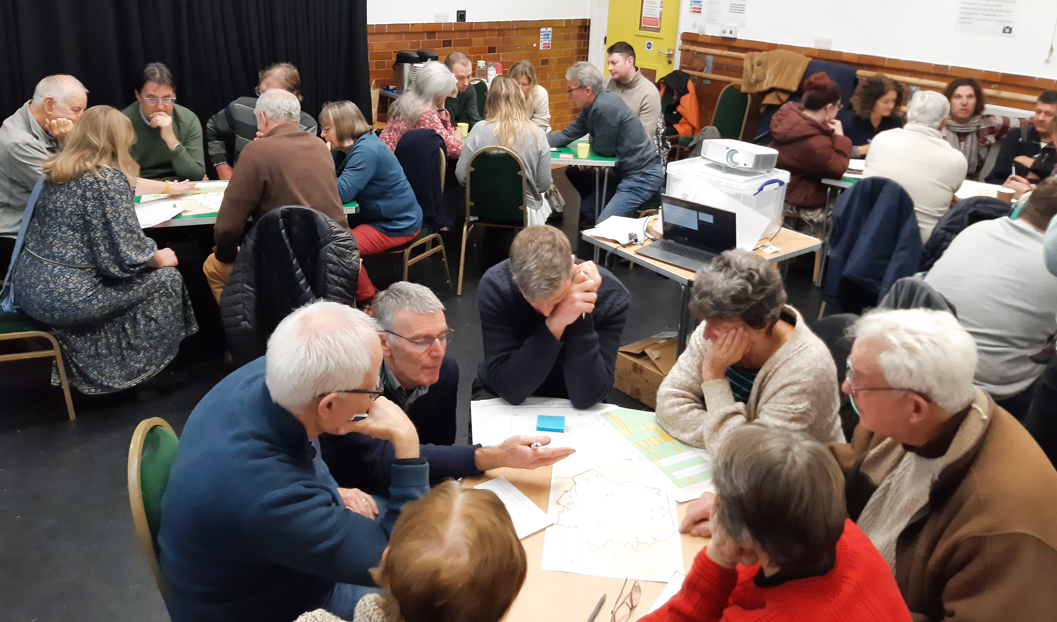
The biggest public investment in community energy ever is beginning to take shape. This is thanks to an injection of £1bn of funding from Great British Energy’s Local Power Plan, the biggest public investment in community energy ever. A particular focus is on local authorities and community energy groups working together. As the detail and opportunities unfold, councils across the country are being encouraged to partner with community energy in ways many have never done before.
But funding alone doesn’t build projects. Renewable energy schemes increasingly succeed or stall on whether local people were involved as genuine partners rather than consultees on decisions already made. Councils sit right at the centre of that challenge and partnering with community energy groups is one of the most effective ways to meet it.
For years, the Centre for Sustainable Energy (CSE) has helped councils and communities across England do this. Building the relationships, growing the organisations and creating the early, meaningful engagement that turns energy ambitions into projects that get built and hold local support. In communities we’ve worked with through our Future Energy Landscapes approach, 85% backed renewable projects capable of meeting or exceeding their area’s annual electricity needs.
Helping a council grow a community energy group in the Forest of Dean
Over the past three years, we’ve partnered with Forest of Dean District Council to support the development of Forest Community Energy, a new community benefit society focused on creating a clean, fair and locally owned energy future for the Forest of Dean.
The partnership has helped establish FCE as a new community energy organisation, supported two new solar PV installations with Big Solar Coop, embedded support for community energy within the council’s own plans and created a thermal imaging loan service supporting residents across the district.
Supporting that kind of local leadership is central to how CSE works. Helen, Chair of FCE, came to community energy from publishing, volunteering and community organising. Inspired by community-led broadband infrastructure projects in rural Cumbria, she became interested in how similar models could support locally owned renewable energy in the Forest of Dean. Part of CSE’s role has been helping leaders like her build the confidence and capability to take local projects forward.
Together with partners, CSE has published short learning summaries reflecting on the collaboration and lessons from the thermal imaging loan scheme.
Fostering collaboration through Future Energy Landscapes
Alongside supporting the development of new community energy organisations, CSE has also helped councils strengthen public engagement around renewable energy planning.
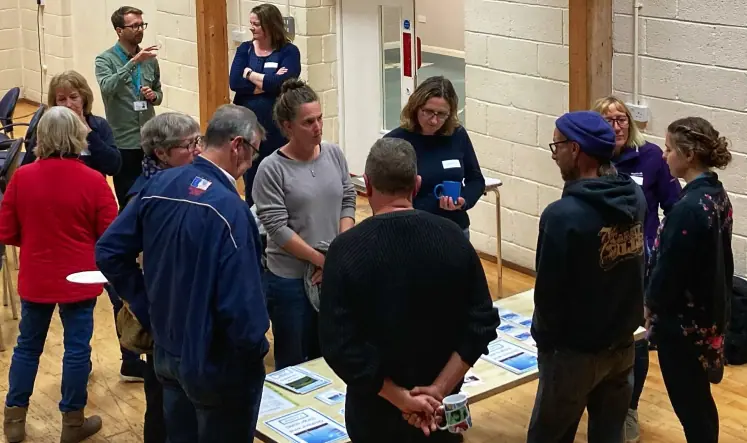
One example is Future Energy Landscapes (FEL), CSE’s community engagement approach which helps communities explore what a low-carbon energy future could look like in their area. Through facilitated workshops, discussions, and outreach activities, communities can explore different renewable energy options, discuss local priorities and develop their own vision for the future.
Together with five local authorities and seven community organisations, we have supported over 2,600 residents across 20 communities over the past 18 months to explore the wider challenges of climate change, energy demand and renewable energy generation in their area.
Our experience shows that when communities are involved early and meaningfully, support for renewable energy increases significantly. In areas such as Corsham, in Wiltshire, a 12-month engagement process led by CSE has identified strong local support alongside the technical and financial potential for two new ground mount solar projects.
A new Corsham community energy group formed as part of the project will continue to be supported by Bath and West Community Energy and Wiltshire Council, as they consider issues such as landowner negotiation, community ownership options, and funding applications.
Future Energy Landscapes also demonstrates how local authorities and community groups can work together in practice. In workshops delivered through FEL, 85% of participating communities supported renewable energy projects capable of meeting or exceeding their annual electricity needs.
As Cllr Paul Sample JP, Cabinet Member for Environment, Climate and Waste, has described: “This project is about communities shaping their own energy future. It’s not about imposing decisions – it’s about giving people the space, evidence and confidence to explore what’s right for their area and a platform for discussion.
“By bringing people together to talk openly, we can help clear up some of the misconceptions around renewable energy and show how some local projects will have the chance to cut costs, strengthen resilience and benefit whole communities”.
For local authorities looking to strengthen engagement around net zero and renewable energy planning, Future Energy Landscapes provides a practical and proven approach.
What helps partnerships to succeed?
Through our work across England last year, we’ve supported 31 councils and over 870 community organisations to build relationships, develop new community energy organisations, and create meaningful opportunities for local people to shape their energy future.
Several common themes emerge around what helps partnerships succeed:
- Invest in relationships and facilitation: building trust and collaboration takes time. Dedicated facilitation can help create productive conversations between councils, communities and other stakeholders.
- Support community leadership: strong local leaders are critical, but they also need support, mentoring and opportunities to build confidence.
- Provide practical early-stage support: small amounts of seed funding, administrative support and officer time can make a significant difference to new groups.
- Create opportunities for shared learning: peer learning, mentoring and connections to existing community energy organisations are hugely valuable.
- Embed community engagement early: meaningful engagement should happen before projects become fixed or contentious. Approaches such as Future Energy Landscapes help communities shape local energy visions from the outset.
- Recognise the wider benefits of community energy: community energy is not only about renewable generation. It can also support: fuel poverty reduction, skills development, community resilience, public participation, local economic benefit and stronger public support for climate action.
Partner with CSE on community energy
As national support for community energy grows, local authorities have a major opportunity to work alongside communities to create fairer, lower-carbon energy systems with strong local backing. The councils best placed to make the most of this funding will be those already building the relationships and engagement it depends on.
CSE’s Future Energy Landscapes approach, Community Energy GO programme and wider partnership work provide practical ways to strengthen collaboration and support locally led energy action.
If your local authority or organisation would like to explore partnership opportunities or discuss support for community energy in your area, we would love to hear from you. Drop us an email. Whether you are looking to strengthen community engagement, support new community energy groups or develop locally led energy projects, CSE can help turn ideas into action.
-
Future Energy Landscapes
A pioneering approach to community engagement on local renewable energy projects.
-
News
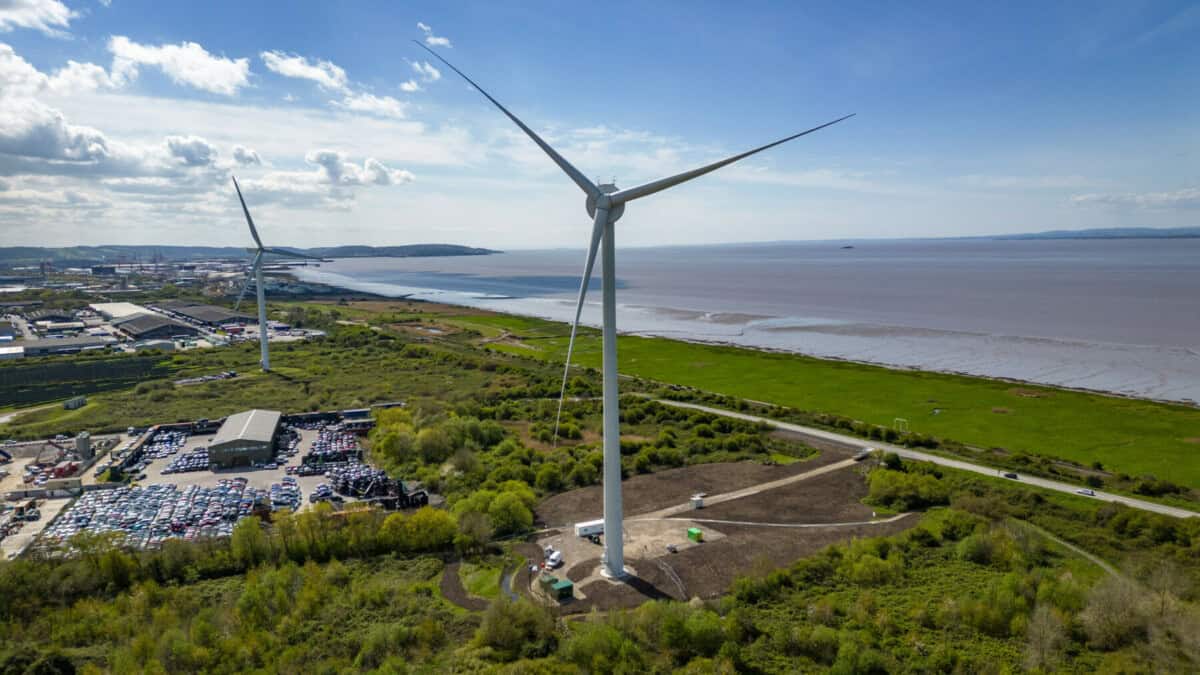
Building collaboration between local authorities and community energy groups
New guidance provides resources, case studies and an assessment tool to help local authorities progress their work with community energy groups.
Community energy Planning -
Project
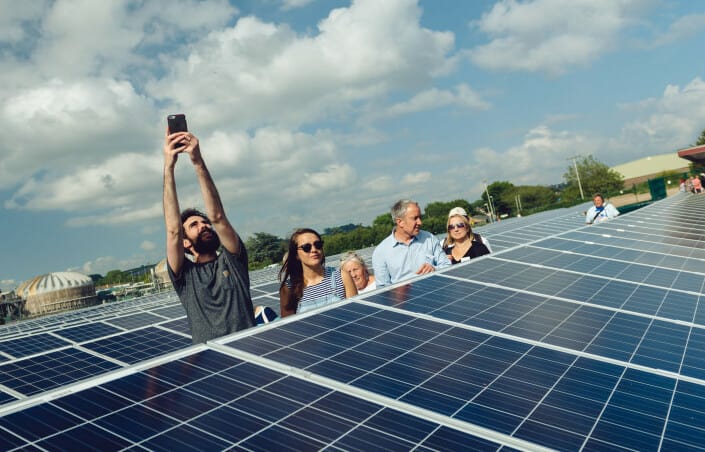
Aurora
Partnering with Forest of Dean council to inspire people to invest in a community solar project.
Community energy Renewables -
Resource
Collaborating on community energy: A guide for local authorities
Collaborating on community energy: A guide for local authorities on working with community energy groups.
Community energy Planning