Early-stage delivery for local authority energy planning
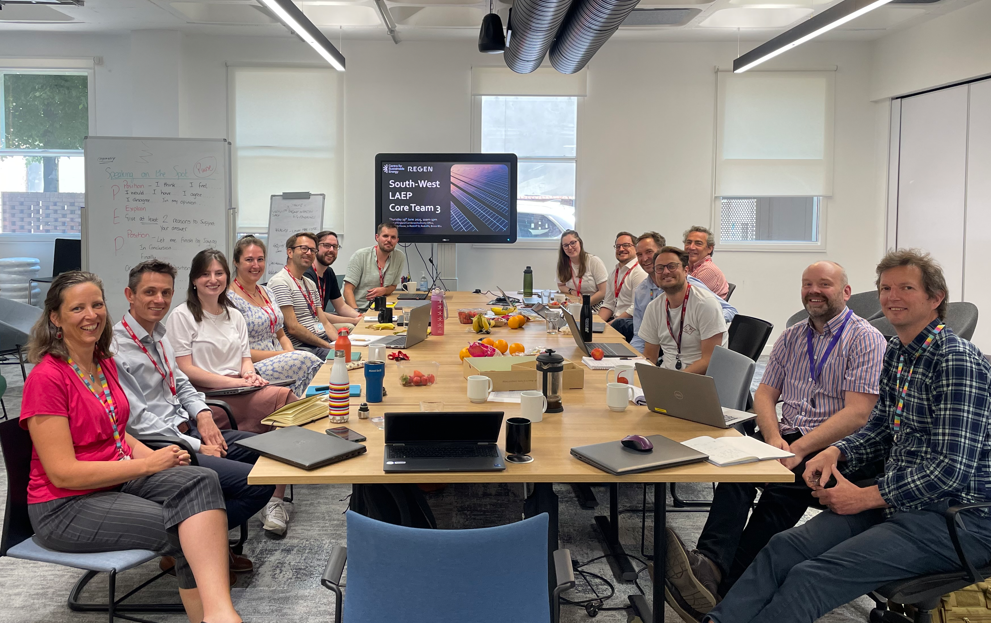
The South West Net Zero Hub commissioned CSE and Regen to support four local authorities in the Southwest to deliver the early stages of local area energy planning (LAEP).
Working alongside Devon, Dorset, Gloucestershire and Wiltshire, the project focused on establishing strong foundations for future delivery. This included developing a consistent technical and non-technical evidence base, strengthening governance and stakeholder engagement. It also supported local authorities to articulate clear priorities and practical next steps through delivery-focused Forward Plans.
Working at a regional legal enabled shared learning across the four local authorities and economies of scale. At the same time it retained flexibility to reflect each’s area’s context
The Hub project was invaluable in helping Dorset work with other southwest councils to clarify the aims of energy planning and the problems we’re trying to solve with stakeholders. It has given us the confidence to pursue energy planning without relying on an expensive off-the-shelf LAEP solution.
Dorset Council
Baselining work
CSE led the non-technical baselining work. Developing a series of tools used to gather information and understand the wider complexities of energy planning with each local authority. This included understanding each area’s capacities and capabilities, stakeholder relationships, prior project delivery and local policies and strategies in place.
While an LAEP is often associated with technical modelling, the project found that progress was frequently shaped by these non-technical factors.
CSE led and supported stakeholder engagement across the four areas. Identifying key individuals and organisations to engage to inform the baselining work and start to build momentum and buy in for next steps.
Through the baselining and stakeholder engagement key priorities began to emerge for next steps which were refined alongside the local authorities and formulated into a forward plan for each area.
The Forward Plans set out key next steps, timelines for these and the resource involved. These allowed each local authority to understand what could be delivered internally and where additional resources would be required.
Outcomes
The project focused on building a strong baseline and understanding of the energy system in each area. Sharing findings and learnings prompt discussion and reflection between the four local authorities which helped strengthen the baselines further.
The key outcome was to help the local authorities move forward with energy planning. All local authorities struggle with resource and capacity; the approach taken in this project allowed our four local authorities to identify practical next steps and the resource involved to support them to continue to move forward.
A full LAEP approach takes a lot of time, money, and resources of which local authorities have little. This has the potential to stop local authorities from taking action and understanding their local energy systems.
The approach allows local authorities to do this and start to take practical steps on energy planning.
Key learnings
Three key learnings from the project were:
Non-technical insight is essential in local energy planning
Technical information alone is insufficient to support effective local energy planning. Understanding the wider system of governance, capacity, politics, stakeholder dynamics and technical evidence for an area ensures realistic outputs and next steps
The tools developed were effective for eliciting conversations rather than outputs
The engagement tools outlined in the project report proved to be effective methods of starting conversations and understanding different stakeholder perspectives which led to more robust outputs and next steps
Early consideration of capability, governance and sequencing strengthens the outcomes
The clearest next steps were those where governance, delivery capacity, and sequencing required were considered early. Helping to focus on credible, prioritised actions rather than aspirational larger goals.
-
Project

Local Authority Partnership Readiness Programme
Supporting local authorities and community energy organisations in the South West to build the foundations for local energy action.
Community energy Planning -
Project

Bristol Green Capital Energy Action Group
CSE and Bristol Energy Network co-chaired the Energy Action subgroup of the Bristol Green Capital partnership.
Community energy Energy justice Renewables -
Project
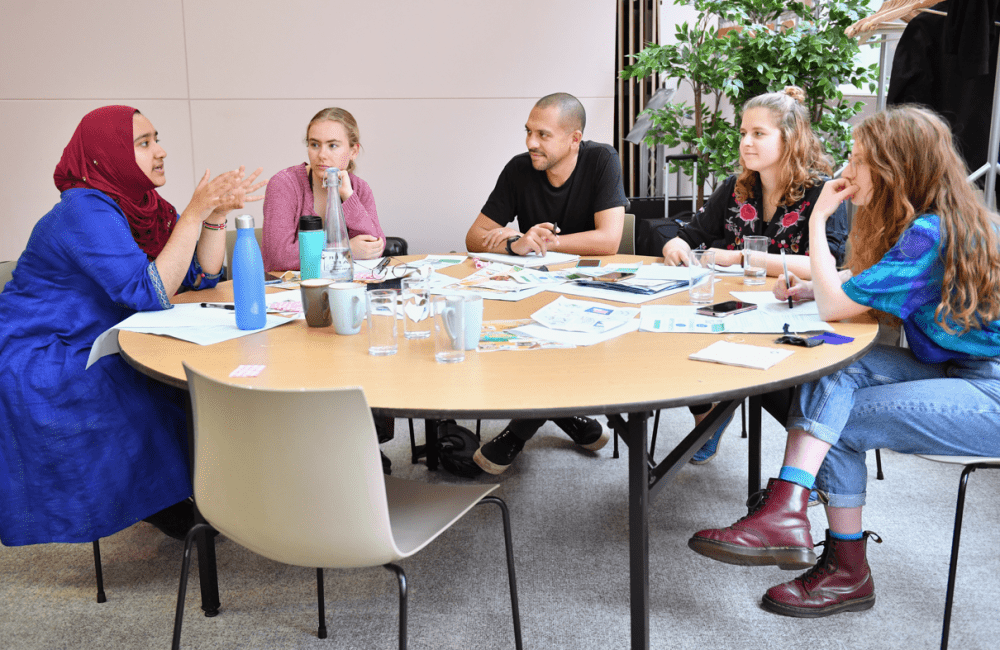
Planning locally to address the climate emergency
Increasing community engagement with local planning.
Policy Planning Renewables -
Project
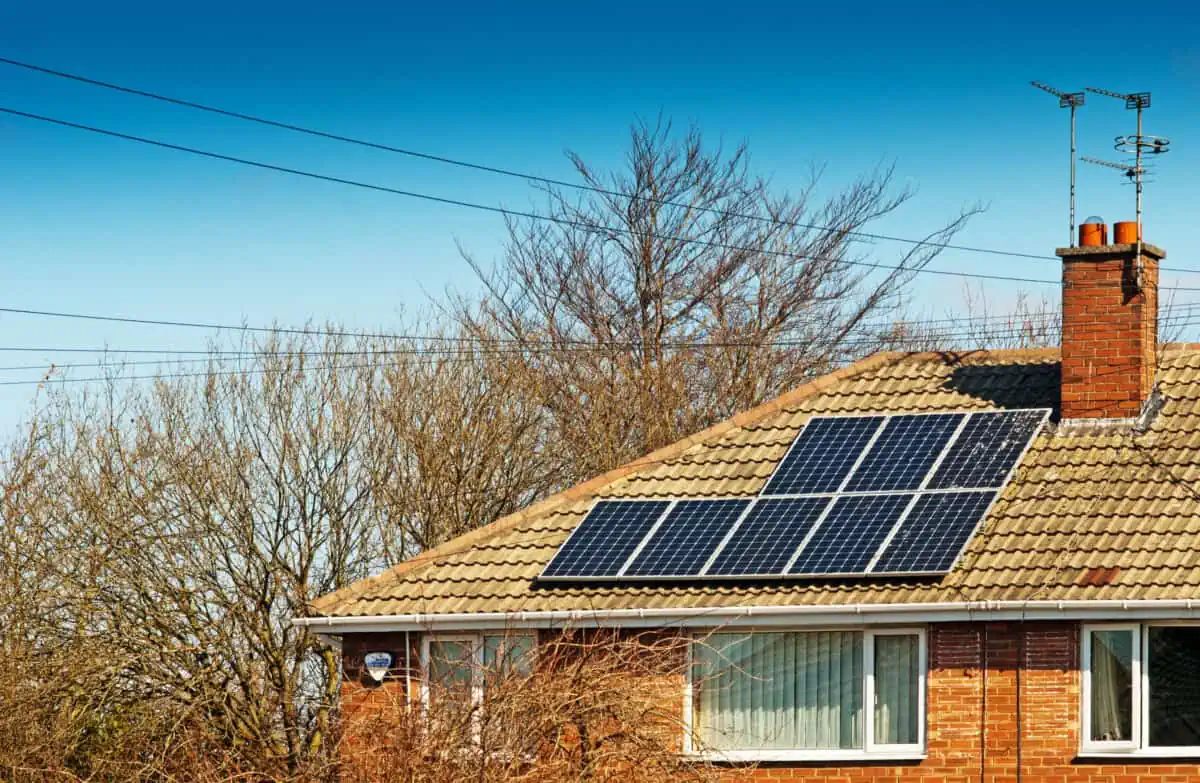
Solar Wizard calculator
The household and community solar PV assessment calculator that encourages more people and communities to go solar.
Community energy Planning Renewables