Preparing for a power cut
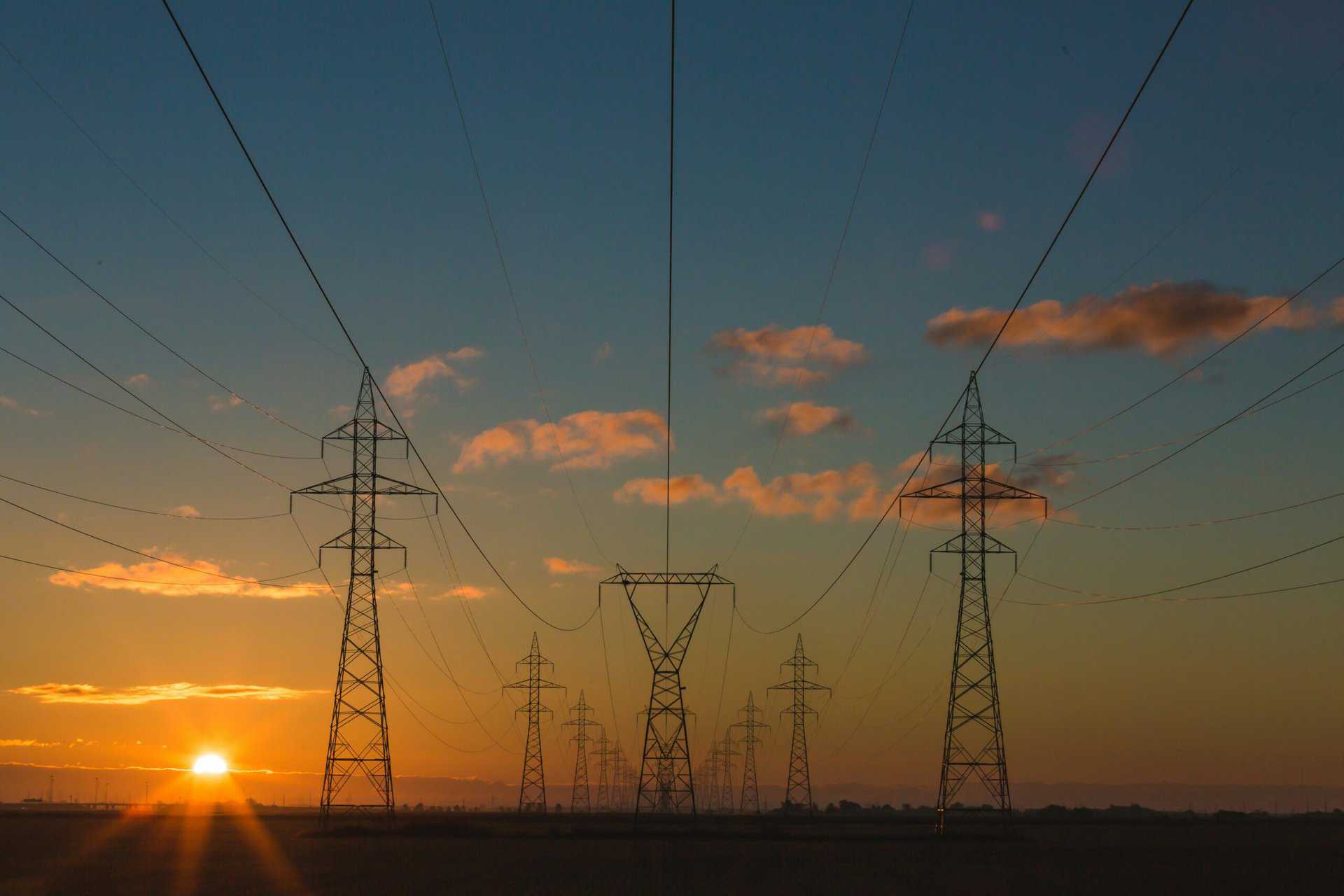
Sometimes power cuts are planned, for example when your electricity company needs to carry out essential maintenance, which you’ll be told about in advance. But other power cuts are unplanned – for example when power lines are brought down by storms.
In either case, here is advice about how to cope with a power cut – before, during and afterwards.
Use these links to get to the information you need:
- Preparing for a power cut
- What you should do if you rely on medical equipment that needs electricity
- What to do during a power cut
- What to do after a power cut
- Can you get compensation
- Signing up for additional support with Priority Services Register
What to do before a power cut
These tips will help you prepare for either type of power cut. There are many steps you can take in advance, like knowing who your network provider is, saving helpful numbers, purchasing useful items – like a torch – and ensuring you know what will happen to medical equipment in the event of a power cut.
Stay updated
- Know who your local network operator is so you know where to look for updates – on their website, social media or by calling. Enter your postcode on PowerCut105.com to find out.
- Save emergency numbers to your phone. 0800111999 is the gas emergency number in case you smell gas during a power cut. 105 is the dedicated and free power cut emergency number. You can also follow your local network operator on social media for updates.
- If you only have a landline, or have a connected telecare kit, and are concerned about not being able to make calls, you should contact your landline provider. They can let you know if your phone would work during a power cut. If it doesn’t, for any planned power cuts they might be able to offer you a solution that would enable you to call the emergency services if you needed to.
- Charge a mobile phone that you can use to check for updates online, call an emergency number, or check in on vulnerable family and friends. You might also want to have a fully charged power bank available so you can charge your phone, tablet or other devices.
- Check in with friends, family and neighbours about their plans for a power cut and encourage them to plan ahead.
Items to have and things to check
- Keep a charged torch (or spare batteries if it’s battery-powered) in a convenient place – maybe a drawer or a bedside table. For unplanned power cuts, you’ll want this to be easy to reach in case your power goes out while it’s dark outside.
- Have food and drink available that doesn’t require electricity to heat or prepare.
- Fill your car with petrol. Many service stations can’t pump fuel during a power failure, so it’s a good idea to keep your vehicle’s fuel tank at least half full and to fill up if you know a power cut is coming. It’s also useful to know how to manually open your garage door, if you have an electric one, so you can get the car out if needed.
- It’s unlikely your heating will work during a power cut. Even gas and oil boilers rely on electricity to start up and tend to have safety mechanisms in place to stop them functioning without power. If you’re alerted to a power cut in winter, you could make some hot water bottles to keep you warm.
- Blankets and warm clothes can keep you warm without heating. Wool is a good insulator, but anything you can use as layers will help.
What you should do if you rely on medical equipment that needs electricity
- If you rely on medical equipment at home, you must understand what will happen to it during a power cut. If you’re unsure, speak to your healthcare provider as soon as possible for any steps you might need to take to be safe, such as backing it up or ensuring it has been serviced regularly.
- If you do rely on electrical medical equipment or feel you may need extra support in the event of a power cut, sign up to the Priority Service Register. You can find further information about this below.
- If you have a stairlift, check if it has a manual handle to allow you to safely go downstairs during a power cut. Most stairlifts also have a battery backup.
What to do during a power cut
- If it’s an unplanned power cut, report it on your local network operator’s website. If you can’t do this online, call 105 for free if you live in England, Scotland or Wales.
- Check to see if your neighbours are safe and if they have a power cut too. If they have power, your trip switch may have activated. If everyone has power and you don’t, check your fuse box to see if any switches are in the ‘off’ position and check if your meter has a display; if it does, this means power is coming into your property.
- Check your network operator’s social media and website for key updates.
- Leave a light on so you know when the power cut has been fixed.
- If you live near someone who may be vulnerable and you feel able to, consider checking in on them to make sure they are safe, warm, and have access to food that can be eaten cold.
- Switch off all electrical appliances that shouldn’t be left unattended, ready for when the power comes back on. This could be cookers, grills, chip pans, hair straighteners and electric fires. Turning them off means they won’t come on without you realising once the power is back. It’s also a good idea to unplug your TV and PC, to avoid damage to them in case of a surge when power returns.
- A power cut will mean that your fridge and freezer switch off. But don’t worry; food will stay cool for up to four hours in the fridge and remain frozen for 48 hours in the freezer – as long as the doors are kept closed. The Food Standards Agency have more information on this. If you’re unsure if food is safe, don’t eat it.
What to do after a power cut
Power should return to your home automatically and, if it’s a planned power cut, within one hour after the expected time of reconnection. If you’re still without power, or are concerned about the amount of time you’ve been left with no power, you can:
- Visit your local network operator’s website to report the fault and find updates.
- Visit powercut105.com or call 105 for assistance, but please be aware phone lines will likely be extremely busy and so going online will probably be the quickest way to report a problem.
Compensation
In some circumstances you might be entitled to compensation for a power cut. This will depend on:
- If it is a planned power cut.
- How long the power cut lasts.
- If your network operator has not met standards set by Ofgem.
Typically, compensation is given if you’re without power for a significant amount of time (12 hours or more) or if you have had frequent smaller power cuts (four times per year for at least three hours). Visit Power Cut 105’s website for more information.
Priority Services Register
If you feel like you need additional support in the event of a power cut, you can sign up to the Priority Services Register (PSR) for your network operator, supplier and water company.
The PSR is a free service for people in England, Scotland and Wales that helps people with additional needs. The type of help available will vary depending on your circumstances, but support includes:
- Notice of planned interruptions to your electricity or water supply.
- Advice on preparing for a power cut or water outage and what to do if it happens. If necessary, a cold weather crisis pack can be supplied (where available).
- Support in an emergency, such as providing heating and cooking facilities or accommodation, as well as direct contact and updates. Free bottled water can be supplied, or in the case of a power cut, a generator for the medical equipment you depend on to stay safe.
- A direct number to call to get straight through to the network operator in the event of an unplanned power cut.
- Additional help with bills, such as being sent in a different language or in Braille.
- For extra security, passwords can be set up for when suppliers need to visit you.
Eligibility criteria
If any of the following apply to you, you can sign up:
- You’re aged over 60.
- You rely on electricity for medical reasons or mobility equipment.
- You have a hearing or visual impairment.
- You have a disability or long-term health condition.
- You have a child under 5.
- You have a health condition which makes it difficult for you to understand your bills or to stay warm at home.
- Anything else which would cause you to feel vulnerable in a power cut or water outage such as mental health.
Sign up by contacting your energy supplier, water company and local network operator, or you can use our online form.
If you have different suppliers for your gas and electricity, you’ll need to contact them both separately. And if you switch supplier, you’ll need to ask to join their Priority Services Register.
If your personal information changes – for example, if you’ve moved house or have a new phone number – it’s important the PSRs that you’re a part of are aware. To do this, make sure you notify your network operator, energy supplier and water company.
Preparing for emergencies
The government recommends that everyone take simple steps to prepare for emergencies such as severe weather, disease and cyber attacks on infrastructure. Many of the actions described on this page, including staying aware of alerts, keeping your phone charged and having some essential supplies available, can help you cope with a range of unexpected disruptions. For further advice, including creating a household emergency plan and understanding local risks, visit the UK Government’s Prepare website.
-
Advice

How do I make a complaint to my energy supplier
Here’s what you need to know …
Your energy supply Managing your bills -
Advice

Dealing with your energy supplier
Whether you’re considering staying with your energy supplier or switching, you need to make sure you are getting a good deal.
Managing your bills -
Advice

Energy saving advice for renters
Free or low-cost things you can do to save you money on your gas and electricity if you rent your house or flat.
Saving money Keeping your home warm -
Advice

Condensation, damp and mould
Too much moisture in the house can cause mould. Here’s what to do about it.
Keeping your home warm Healthy homes