CSE responds to DNOs’ future role in supporting the rollout of low carbon technologies

Recently, the Centre for Sustainable Energy responded to an Ofgem consultation on the role of Distribution Network Operators (DNOs) in supporting the rollout of low carbon technologies (LCTs).
We agree that DNOs should participate in co-ordinating and supporting a cost-effective energy transition, emphasising the importance of keeping costs down due to rising network charges and consumer pressures.
At the same time, we raise concerns about potential overlaps with the Warm Homes Agency and Regional Energy Strategic Planning (RESP) processes, especially regarding prioritisation of retrofit areas, coordination of funding, and provision of advice. There needs to be clear decision-making processes and oversight to avoid inefficiencies and duplication.
How DNOs can support low carbon technology uptake
Nevertheless, there is the potential for an expanded role for DNOs in coordinating the rollout of LCTs and energy efficiency. We believe the following activities and behaviours are most suited to this purpose:
Identification of priorities
All DNOs should provide local authorities and trusted intermediaries with a list of areas that are a priority for retrofit. This should cover the optimal retrofit strategy for the area – the technologies needed (batteries, PV, insulation or heat pumps), levels of vulnerability and cost of network reinforcement – as well as other known plans, for example being part of local heat zones.
It’s important that these areas are prioritised by the RESP and incorporated in local authority plans when delivering the Warm Homes plan (WHP). CSE’s Director of Development and External Affairs, Ian Preston, said, “We’ve seen a number of documents and consultations that talk about area-based approaches to delivery, but there’s not enough clarity about who decides what the priorities are and who holds the reigns for the various pots of money”.
Open access to data
All DNOs should support area based retrofit programmes by making data on the low-voltage network available.
Proactive investment in the low-voltage network
We see a role for DNO’s removing barriers to households installing low carbon technologies, as specified in the WHP.
Supporting community engagement
The WHP represents capital funding with no funding for capacity building or advice that’s not a key component of the retrofit journey. As part of their coordinating role DNOs should be funding community groups and trusted intermediaries to support the delivery of area-based programmes. This might include handholding vulnerable clients, recruiting householders, snagging issues and acting as a community liaison.
Recognising the value to the network
As part of area-based programmes delivered under the Warm Homes plan, DNOs should be funding installations that resolve network constraints more cheaply than physical reinforcement i.e. bring bill reductions for consumers.
Supporting community scale delivery models
CSE is disappointed that both this consultation and the WHP fail to recognise the opportunities associated with community-scale batteries and low carbon technologies. A shift to area-based programmes provides an opportunity for DNOs to work with local authorities and community actors to fund community scale assets that deliver community wide benefits – offering far greater efficiencies than bulk buying LCTs for homes.
Read our full response
Find out more details about our suggestions and concerns regarding DNO’s role in the rollout of LCTs.
-
News
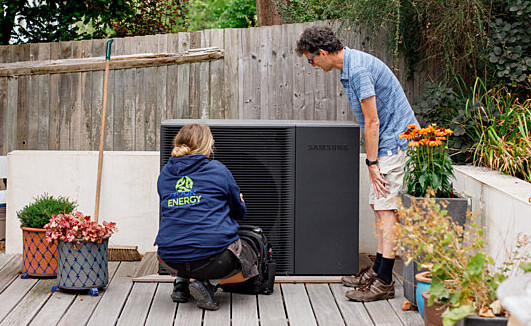
CSE responds to the Warm Homes Plan
We’re celebrating the wins in the Warm Homes Plan, while highlighting how the government could go further.
Policy -
News
CSE’s response to the Local Power Plan
The plan represents a scaling of ambition that the sector has long been waiting for. More than just money and growth.
Renewables Policy Community energy -
News
Ofgem Draft Forward Work Programme 2026-27 CSE response
CSE’s response to Ofgem’s proposed programme of strategic priorities, key projects and operational plans in the next financial year.
Policy -
News

CSE responds to new load control and flexibility consultations
As the energy flexibility market grows, the consumer needs protection from poor practice, mis-selling and harm.
Policy