Bristol’s progress on tackling fuel poverty
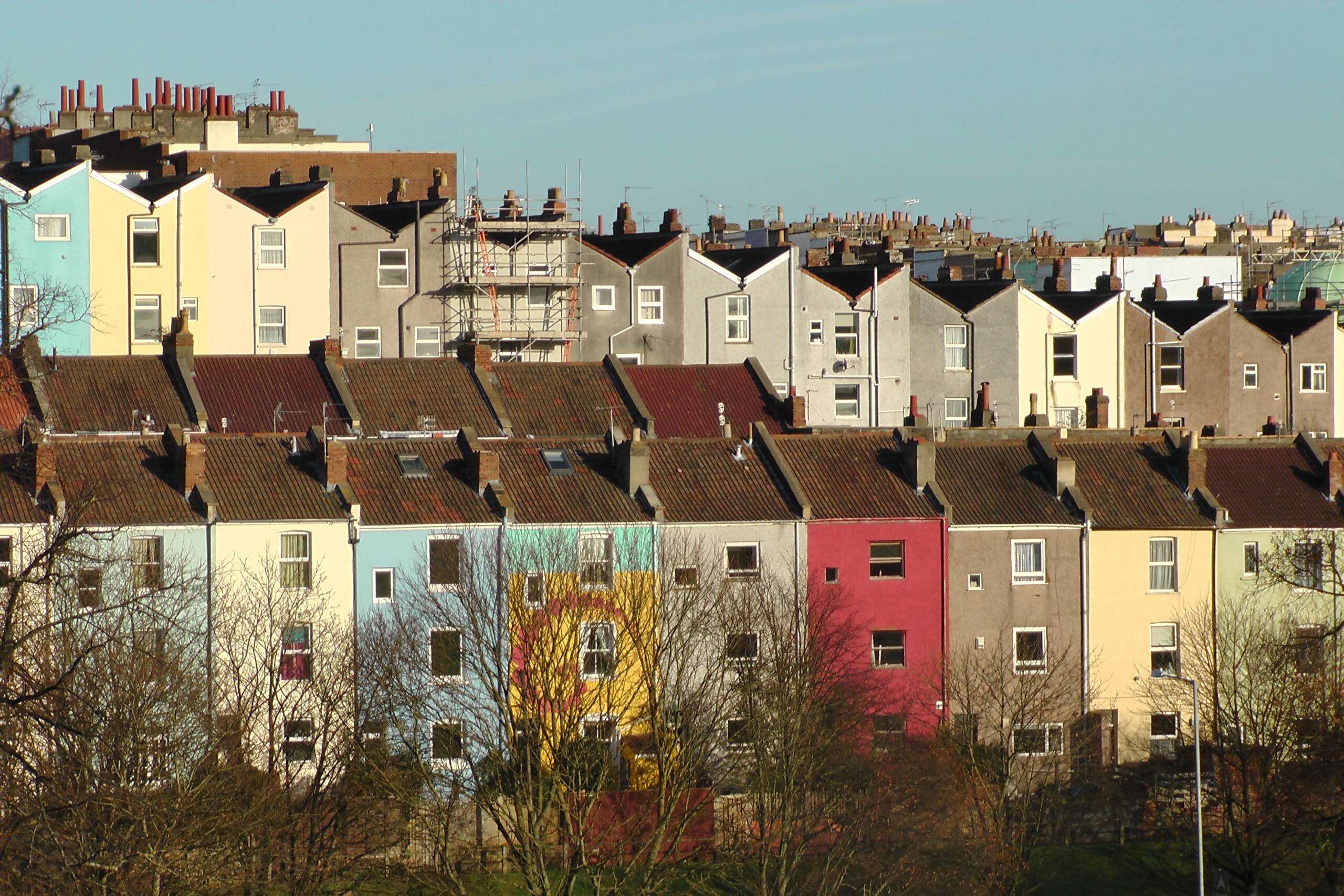
Fuel poverty remains one of the most pressing challenges facing Bristol. Each year, thousands of residents struggle to afford to keep their homes warm, with knock-on impacts for their health, well-being, and financial security. Our most recent report provides an update on Bristol’s progress on reducing fuel poverty as we work to deliver the One City Fuel Poverty Action Plan.
Measuring progress towards delivering the One City Fuel Poverty Action Plan
The Action Plan, developed by the No Cold Homes steering group and signed off by the One City Health and Wellbeing Board in 2022, sets out five core goals to eradicate fuel poverty in the city by 2030:
- Improving housing energy efficiency.
- Supporting affordable low-carbon heating.
- Creating an inclusive smart energy system.
- Strengthening cold homes advice and referral pathways.
- Aligning fuel poverty work with wider efforts to tackle poverty across the city.
Our annual review tracks progress towards delivering those goals and places Bristol’s experience in the context of national trends regarding fuel poverty.
National context
The national picture remains deeply concerning. Progress on fuel poverty in England has been slow, with only a marginal decrease in fuel poverty rates in 2024 and a predicted rise again in 2025. Household energy debt continues to climb, now exceeding £4 billion across Great Britain, with more than a million households lacking any repayment plan. These pressures form the backdrop against which Bristol’s work must be understood.
Bristol’s progress
In this challenging context, Bristol has made measurable progress. The percentage of those living in fuel poverty in the city fell by 3.5% in 2024–25 to 10.3%, placing Bristol below the national average (11.4%). This improvement has been driven in part by falling energy prices, but also by sustained investment in improving the energy efficiency of Bristol’s homes.
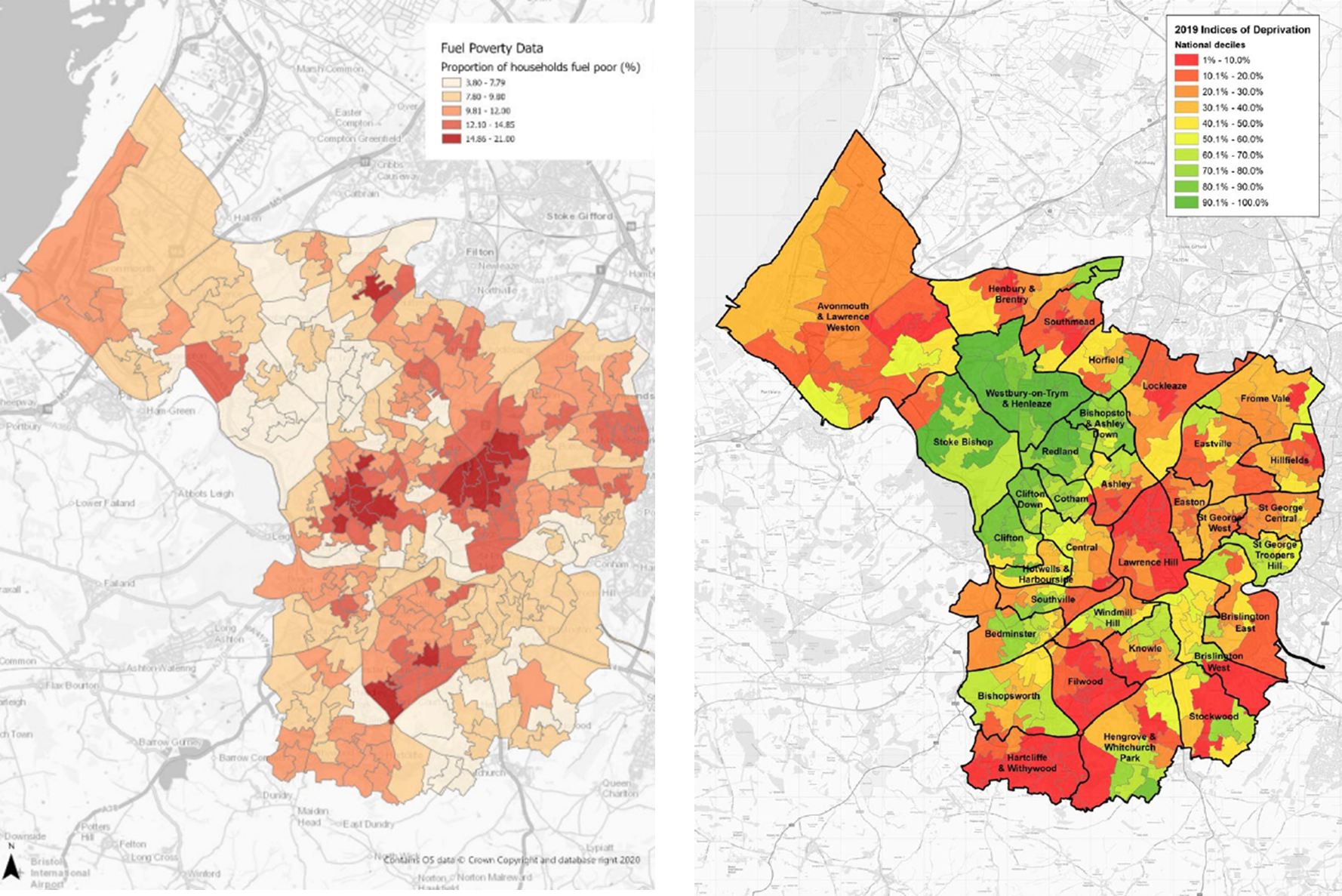
However, fuel poverty continues to be concentrated in areas of the city with the oldest and least efficient housing, and in neighbourhoods already hit hardest by the cost-of-living crisis. Retrofitting these homes can be technically complex and resource-intensive. While Bristol has been successful in securing substantial funding for targeted retrofit programmes and advice services, ensuring stable long-term funding remains a challenge.
Key challenges
Our report highlights several gaps that must be addressed to sustain and accelerate progress on fuel poverty:
- Limited data on low-carbon heating installations, making it difficult to accurately assess progress and identify gaps.
- Unequal access to smart energy technologies and flexibility services, particularly for low-income households, renters, and residents who are digitally excluded.
- Insecure, short-term funding for advice and referral services, undermining long-term planning and consistent support for residents.
- Fragmented data sharing across organisations, reducing the ability to track outcomes, coordinate referrals, and understand what works best at a citywide level.
- Ongoing challenges retrofitting older, inefficient housing, including the higher costs associated with hard-to-treat homes.
Read the full report
Read the report for more detail on Bristol’s progress on tackling fuel poverty.
No Cold Homes steering group
The No Cold Homes steering group is Bristol’s citywide partnership responsible for providing strategic oversight of the One City Fuel Poverty Action Plan. It brings together organisations from across housing, energy, local government, advice services, and the voluntary and community sector to coordinate action on fuel poverty in Bristol and drive collective progress.
The group helps to set shared priorities, align activity across sectors, identify gaps and barriers, and track progress against the Action Plan. This helps ensure that efforts across the city are joined up and focused on helping those in the greatest need.
If your Bristol-based organisation is involved in housing, energy, health, poverty reduction, or community wellbeing and would like to be involved, we welcome expressions of interest in joining the No Cold Homes steering group.
Join the No Cold Homes steering group
If your organisation would like to be involved in coordinating action on fuel poverty in Bristol, we’d love to hear from you.
-
Project
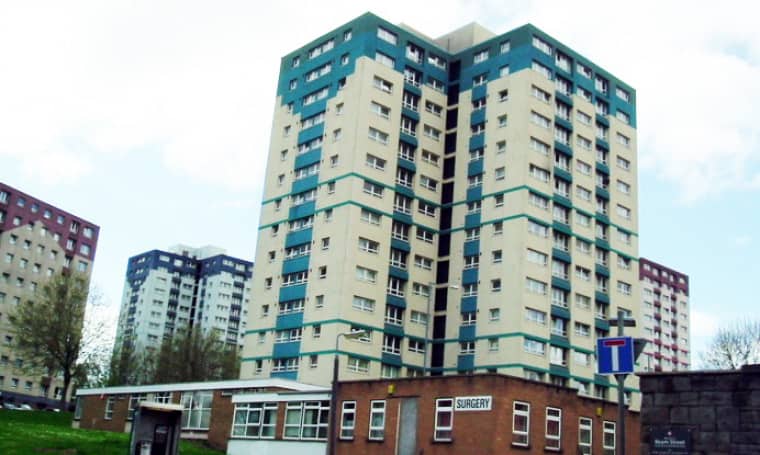
Bristol fuel poverty action plan
A plan to tackle fuel poverty in Bristol, commissioned by Bristol City Council. Find out more and download the plan.
-
Resource

Fuel poverty calculator
Used by councils, housing associations, energy charities and community groups to target services to support fuel poor residents.
Fuel poverty Energy justice -
Project
Bristol Net Zero by 2030
We were commissioned to lead a study into what needs to happen in Bristol to meet the city’s zero-carbon by 2030 ambition.