Heat network zoning in rural Westmorland and Furness
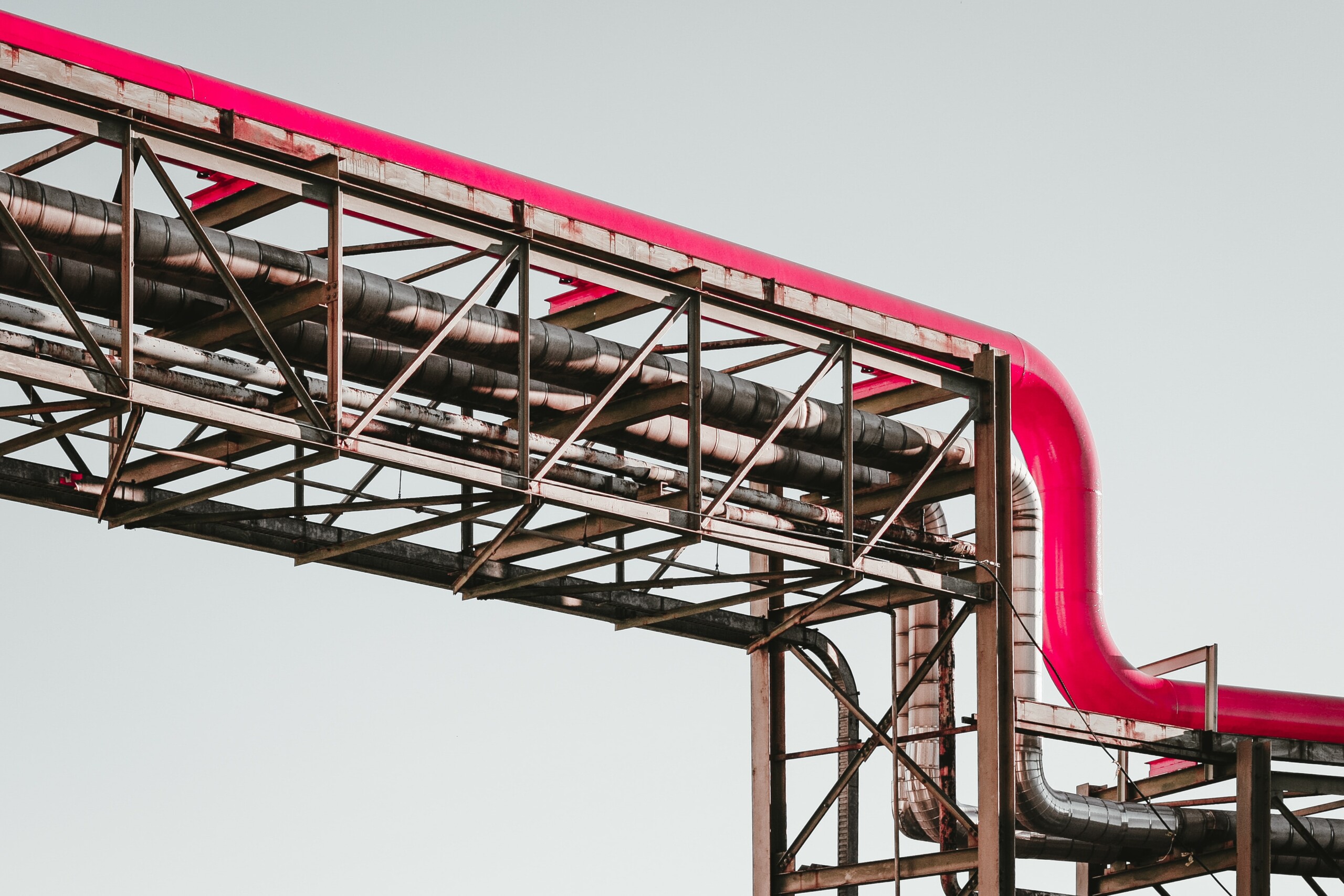
Across Britain, our heating systems need to change in response to the climate emergency and rising energy costs. Heat networks are one of the key solutions to decarbonise our heating and meet our net zero targets.
In rural areas like Cumbria, heating off-grid homes often leads to high costs and high emissions. Heat demand is a major source of emissions across the wider area – Cumbria’s industry and business sectors produce over 10 million tonnes of carbon dioxide equivalent each year, with almost 30% of this coming directly from heating. In areas dense with buildings, this concentrated heat demand creates an opportunity to decarbonise through heat networks.
Funded by the Department for Energy Security and Net Zero (DESNZ), Sustainable Energy Ltd. (SEL) and CSE developed a heat network zoning and feasibility study for Westmorland and Furness Council, a local authority covering a primarily rural region within Cumbria. The two-phase study revealed some key areas within the region with potential for heat networks.
What are heat networks?
Heat networks are systems of insulated water pipes that take heat from a single source and efficiently distribute it to individual buildings. The source of heat can often be low carbon, for example where networks draw waste heat from existing industrial processes or data centres, or where they are fuelled by large-scale heat pumps that extract heat from bodies of water or from the ground.
Over the next decade, heat networks will play a crucial part in cutting carbon emissions from our heating systems. The Committee on Climate Change forecasts that 20% of heating in the UK must be provided by heat networks by 2050.
As such, the government is committed to driving development and uptake of heat networks across the country. One of their new policies, led by DESNZ, is Heat Network Zoning. This is expected to come into place in 2026 and would provide a legal route for some areas of England to become Heat Network Zones. In these zones, zoning coordinators, which could be local authorities, will be given special powers to establish heat networks.
Heat network zoning for Westmorland and Furness Council
Westmorland and Furness Council wanted to look into the zoning results for their region ahead of the policy being adopted. Funded by the Heat Networks Delivery Unit (part of DESNZ), CSE’s work in Westmorland and Furness followed the zoning process proposed by the draft policy. We refined the initial outputs of the National Zoning Model by collecting real-world data, such as actual heat demands from existing and future developments. We combined this with insights from stakeholders to ensure we also accounted for other non-technical factors in developing heat networks, such as planning considerations, local interest and funding opportunities.
Combining these different factors allowed us to determine the areas in Westmorland and Furness where heat networks were most likely to be successful.
What were the results?
Two key areas for developing heat networks were identified in Westmorland and Furness. These were both areas in Barrow-in-Furness where buildings are clustered – around the hospital and the centre of the town. Our findings show that despite Westmorland and Furness being a primarily rural region, heat networks could still be viable for development in its more densely populated areas.
What’s next for Westmorland and Furness?
SEL has analysed the identified network opportunities and engaged with key stakeholders to establish feasible routing options. The council can now explore the potential to develop further plans for these heat network opportunities.
The study provides a strong evidence base to support strategic decision-making and will play a significant role in shaping our next steps towards decarbonising heat, building a pipeline of viable projects, and supporting the Council’s wider net zero ambitions.
Rose Mary, Project Support Officer, Climate Team, Westmorland and Furness Council
Find out how we could support your council with your Local Plan.
Email Julia, CSE’s Local Net Zero Research Lead.
-

Heat decarbonisation
Heat decarbonisation is one of the biggest challenges facing the UK as it works towards net zero. We work with the government, local authorities and o …
-
Project

Heat Network Zoning Pilot
Developing an expert modelling solution for government Heat Network Zoning proposals.
Planning Renewables -
Project

London Heat Map: Informing a city’s decarbonisation plan
Pioneering heat decarbonisation in the UK’s capital
Policy Planning Renewables Behaviour change -
Project

THERMOS
Software enabling local authorities, developers and consultants to scale up to meet heat networking planning project demands.
Policy Planning