CrowdFlex research into consumer experiences of flexibility

The UK’s energy system is transforming rapidly as we generate more renewable energy. To help balance supply and demand in our changing energy system, we need to understand how consumers can participate in domestic flexibility – shifting the times they use energy at home.
CrowdFlex is the National Energy System Operator’s major trial testing how domestic flexibility can help manage the electricity grid. Through extensive customer research and analysis to understand the experiences of people taking part, we’re using our findings to help shape future flexibility services that work for everyone.
CrowdFlex is funded by energy network users and consumers through the Strategic Innovation Fund, a programme from Ofgem managed in partnership with Innovate UK.
Fairness in the energy transition
Our research aimed to reveal not just whether flexibility services work, but whether they work fairly – something we believe is crucial for ensuring people with certain characteristics or abilities aren’t left behind as the energy system evolves.
This is part of our work to ensure the energy transition works fairly for different types of households – because it only succeeds if everyone can participate.
CrowdFlex trials
Two types of domestic electricity flexibility service were trialled:
- Utilisation service: customers were paid to turn up or turn down their electricity usage during notified events.
- Availability service: customers were paid to make their electric vehicles available to the grid by plugging in whenever they were at home.
During the trials, we surveyed over 37,000 people in total to understand their experiences. This included around 800 customers who repeated surveys over 18 months, allowing us to measure changes in their attitudes and behaviours over time.
Key findings
The research achieved a breadth of insights from many participants across different consumer groups. It also achieved in-depth understanding through 30 interviews and three focus groups to explore some customers’ experiences in more detail.
We found that:
- Some participants who were already rationing their energy use turned off essential appliances to take part, showing a need for support and guidance about safe shifting.
- 69% respondents felt positive about the trial as a whole.
- 61% felt they did not have many other options for shifting their demand, showing that CrowdFlex was a much-needed service filling a crucial role.
- The most common challenge was remembering to take part in events. Some people also found challenges around fitting events into their home routine.
- While the majority of respondents chose to shift their electricity use manually, those who used automation (such as smart plugs or delay settings on appliances) shifted significantly more electricity during events.
Read the full report
For more information, explore our recommendations or read our full report.
Experiences of different consumer groups
Demand flexibility asks people to interact with energy in a new way, so we need to engage and support some customer groups accordingly.
Find out more about how different groups of people experienced the trials:
- Electric heating users.
- Financially insecure families.
- Those with disabilities or health conditions.
- Electric vehicle users with a disability.
Demand shifting schemes allow people unable to afford larger scale investments to participate and benefit from the transition in alternative, cheaper ways. Our research shows that despite the obstacles faced by more vulnerable groups, demand shifting schemes can offer an opportunity to make incremental savings as well as boost engagement in the energy transition for people who might otherwise be excluded.
For further information about CrowdFlex customer feedback, contact chloe.mclarenwebb@cse.org.uk.
For general CrowdFlex enquiries, contact innovation@neso.energy.
-
Resource

CrowdFlex Customer Feedback Research Reports
These reports present the results of the customer feedback research from the CrowdFlex project.
Energy justice Behaviour change -
News
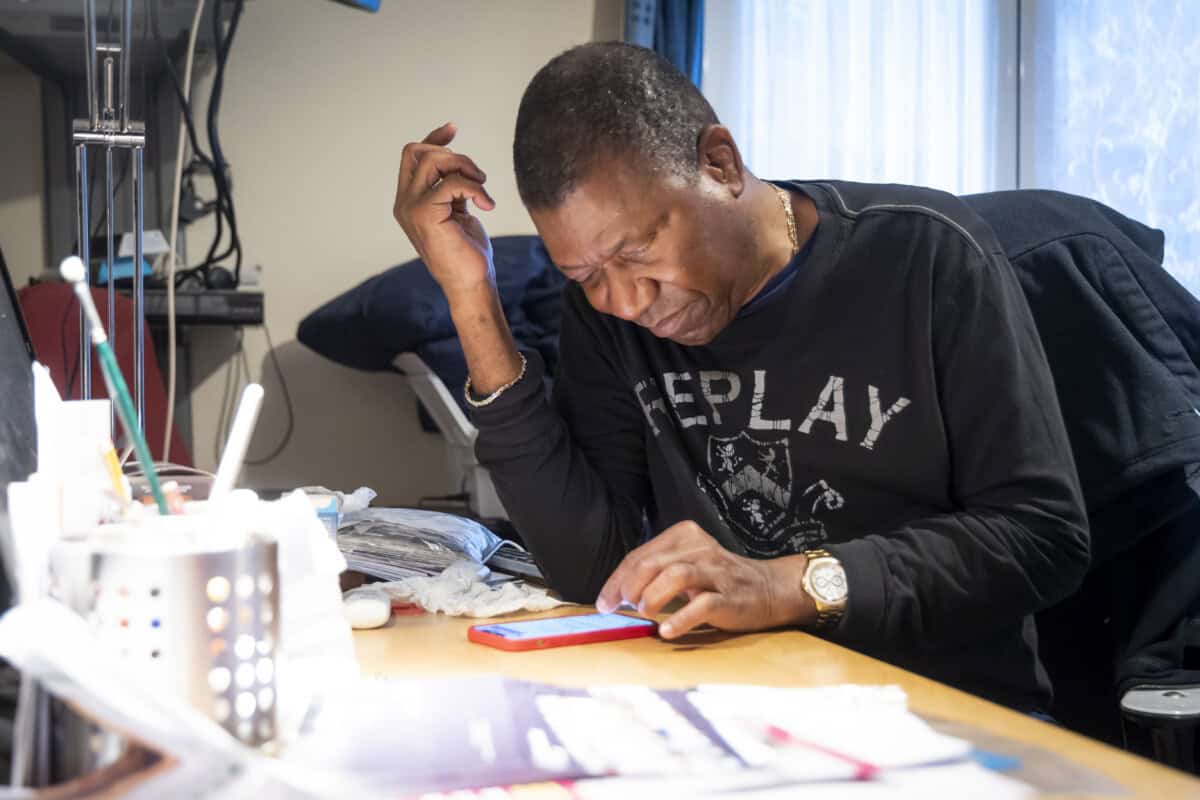
Investigating lived experiences of energy flexibility
CSE is working with households to understand how energy flexibility services can be made more accessible and inclusive.
Energy justice Behaviour change -
News

CrowdFlex research towards making flexibility work for everyone
Who’s taking part in energy demand-shifting initiatives – and who isn’t?
Energy justice -
Project
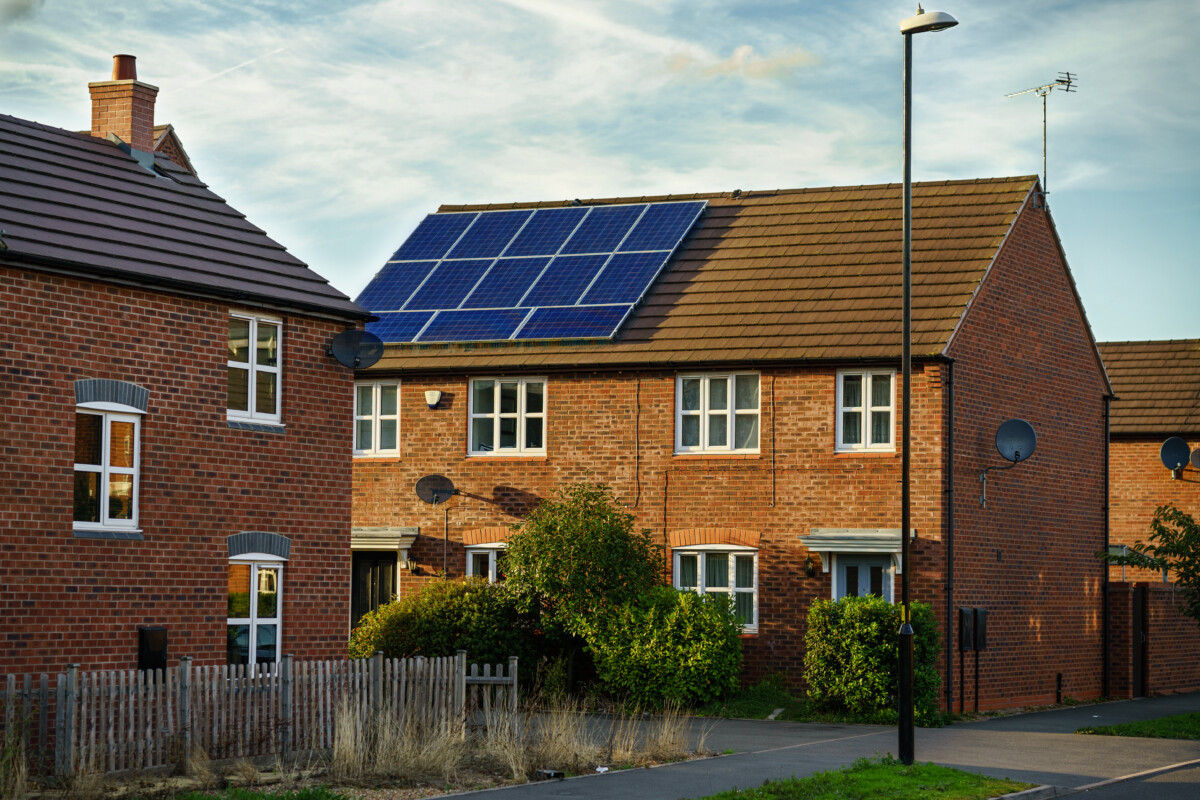
SNUG: energy efficiency meets grid flexibility
Creating a scalable route for social landlords to participate in energy flexibility markets while retrofitting homes.