Britain is overheating – how do we keep homes safe?
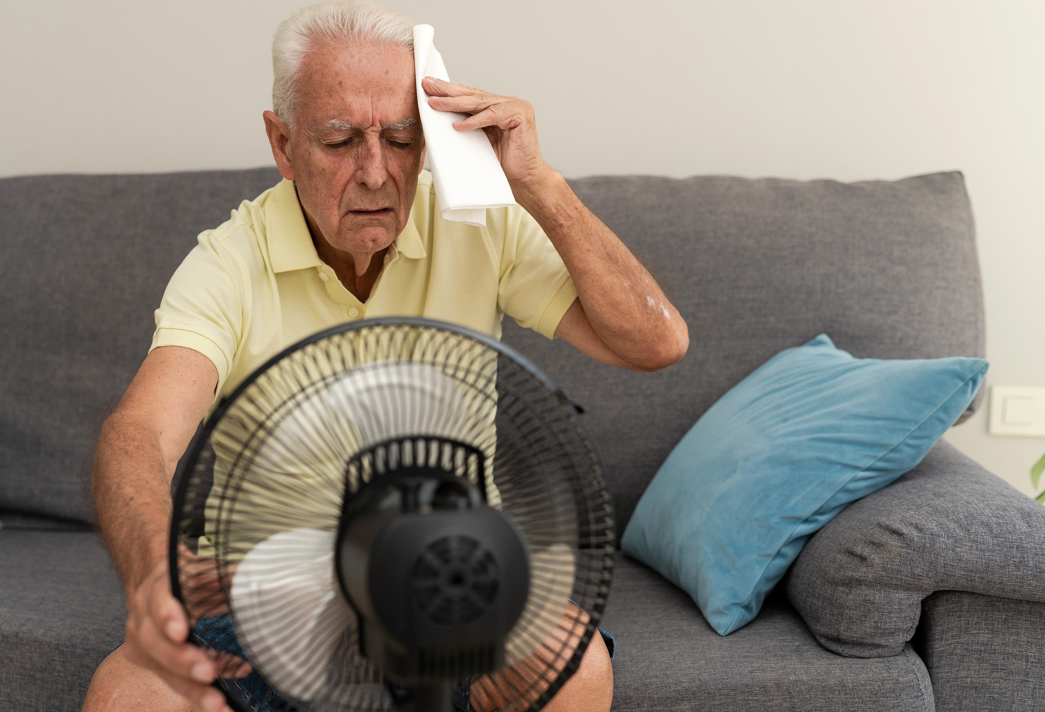
The government should draw up a national strategy to protect vulnerable households from heatwaves and make homes and communities resilient to rising temperatures.
That is the core message of our response to the National Heat Risk Commission’s call for evidence which closed on 30 October, 2026.
You can read our full response here. It draws on our work with households, communities, local authorities and energy networks.
“We’re calling for coordinated national action on overheating” said Dan Stone, CSE’s policy officer. “It’s needed urgently to get ahead of the next dangerous heatwave.
“As this summer demonstrated, extreme heat is no longer an occasional problem. As heatwaves become more frequent and intense, many people are struggling to keep their homes at a safe temperature. This summer’s heatwaves caused almost 2,900 heat-related deaths, disrupted schools, strained the NHS and cost £1bn in lost productivity.”
Fuel poverty isn’t just a winter problem
Heatwaves add a new kind of pressure to households already struggling with high energy prices: the cost of keeping cool. Fans, ventilation and, in some homes, air conditioning can be necessary to keep indoor temperatures safe.
Many households just can’t afford to keep cool. Our modelling suggests that accounting for cooling could increase annual energy bills by up to £140. The proportion of English households in fuel poverty could rise to 14–17% under the current definition. In a more extreme summer climate, bills could rise by up to £740 and fuel poverty could reach 29%. This suggests that fuel poverty could become a year-round problem, not just a winter one.
The government’s definition of fuel poverty should be updated to capture cooling as well as heating costs.
Retrofit must deliver year-round comfort
Good insulation can help homes stay cooler in summer as well as warmer in winter. But current publicly funded retrofit programmes remain focused largely on winter heating and bills.
The Warm Homes Plan represents major investment in upgrading homes, but CSE has already highlighted the need for strong advice and effective local delivery. It should also fund measures that reduce overheating, including external shading, ventilation improvements, reflective materials and nature-based cooling.
Energy Performance Certificates should show overheating risk more clearly, standards for rented homes should give tenants meaningful routes to request improvements and planning departments need clarity as to what they should demand from new development.
Heat risk is deeply unequal
People experience the same heatwave very differently. Income, health, age, housing, tenure, access to green space and social isolation can all affect someone’s exposure and ability to adapt.
A household in a well-insulated home may have several ways to manage high temperatures. Someone living in a single-aspect, south-facing flat with poor ventilation—and little control over improvements—may have very few.
Responses must therefore target the places where exposure and vulnerability overlap, rather than treating heat as a uniform national risk.
Empower communities and local government
Trusted community organisations can help people understand risk, prepare for extreme weather and reach those who might otherwise be overlooked.
Community buildings can also serve as cool spaces and hubs for advice and support. But community groups are often short of time, funding and specialist expertise.
Local and combined authorities need stable funding and statutory climate-adaptation duties across their functions.
Our key recommendations
We’re calling for:
- A National Heat Resilience Strategy, dedicated minister and accountable coordinating body.
- Fuel-poverty measures that recognise the cost of keeping homes safely cool.
- Retrofit funding focused on year-round comfort.
- Stronger overheating standards for new and existing homes.
- Greater rights and protections for renters.
- Stable funding and statutory adaptation duties for local authorities.
- Support for trusted community organisations and cool spaces.
- Planning reforms that connect mapped heat risk with local design requirements.
- Stronger use of trees, shade and green infrastructure.
- Energy-system planning that prepares for growing cooling demand.
The UK needs to move from reacting to dangerous heat in the moment towards preventing harm.
Britain has spent decades preparing homes and communities for cold winters. We now need to prepare them for hotter summers too. Without action, extreme heat will increasingly threaten health, productivity and household finances. The good news is that many of the solutions are already known. The challenge is putting them in place quickly enough.
-
News

A climate duty for local authorities
Should local authorities have a legal duty to address climate change? We brought together council leaders and sustainability officers to explore this …
-
News
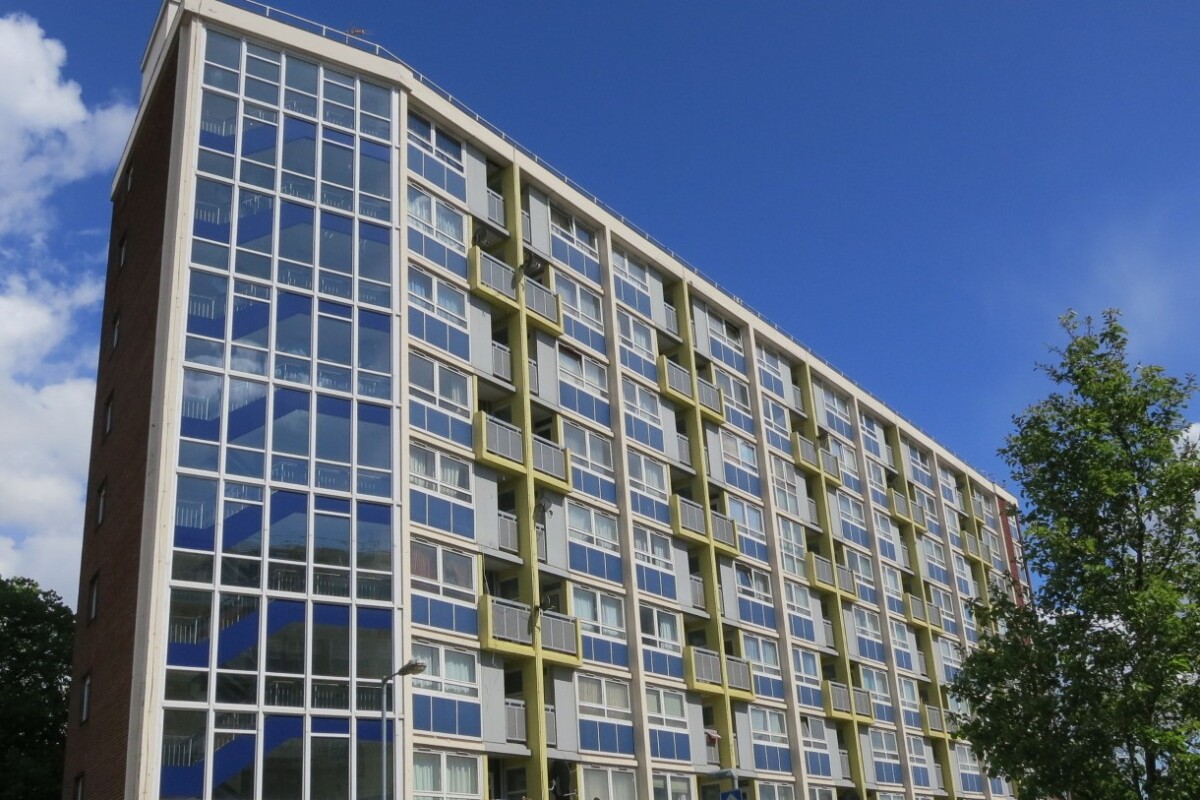
Summer fuel poverty: why the new price cap is another blow
If you can’t afford to cool your home, the price cap increase announced this week makes a bad situation worse.
Fuel poverty Policy Energy justice -
News

Smart energy data must put consumers first
We want consumers in governance, consumer-first objectives, outcome monitoring, and tariff comparisons based on historic energy use.
Policy -
News
Warm Homes Plan: the gap between promise and reality
Cold homes, long waits, and a missing plan.
Fuel poverty Policy Energy justice