Top energy saving tips for community buildings
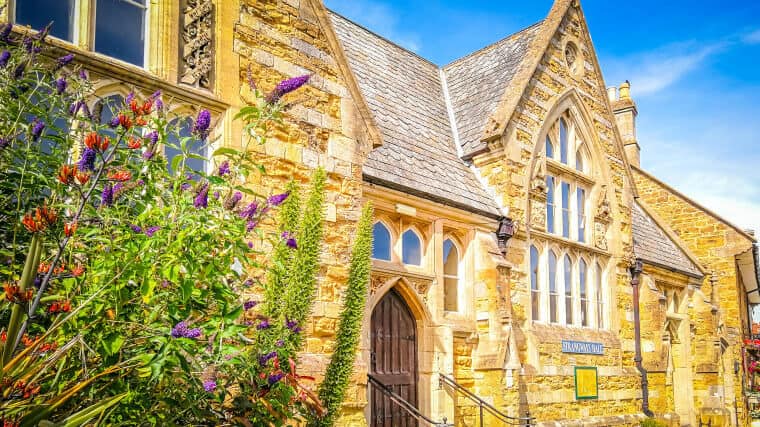
If you run a village hall, place of worship or similar community building, you’re probably thinking about your rising energy bills.
All over the UK, high costs of heating and power are forcing communities to limit activities or even close their buildings over winter. This deprives local people of places they come together to socialise, learn, access key services or stay warm.
Energy prices aren’t going down any time soon, so in the meantime, here are some of the ways you can save energy in your community building right now.
Do a walk-around of your building
A walk-around will help you understand where there are opportunities for improvement. CSE’s energy survey has a great list of questions to ask and answer which will give you loads of insights. If your building is large with multiple floors and rooms, check to see if it has a Display Energy Certificate (DEC) which will have recommendations for improving the building’s energy efficiency.
Fit low-cost secondary glazing
If double glazing is too costly or you’re not allowed to install it, low-cost secondary glazing on non-opening windows is a good option. Around 10% of an average building’s heat is lost through windows, so secondary glazing can make a big difference.
Check your roof insulation
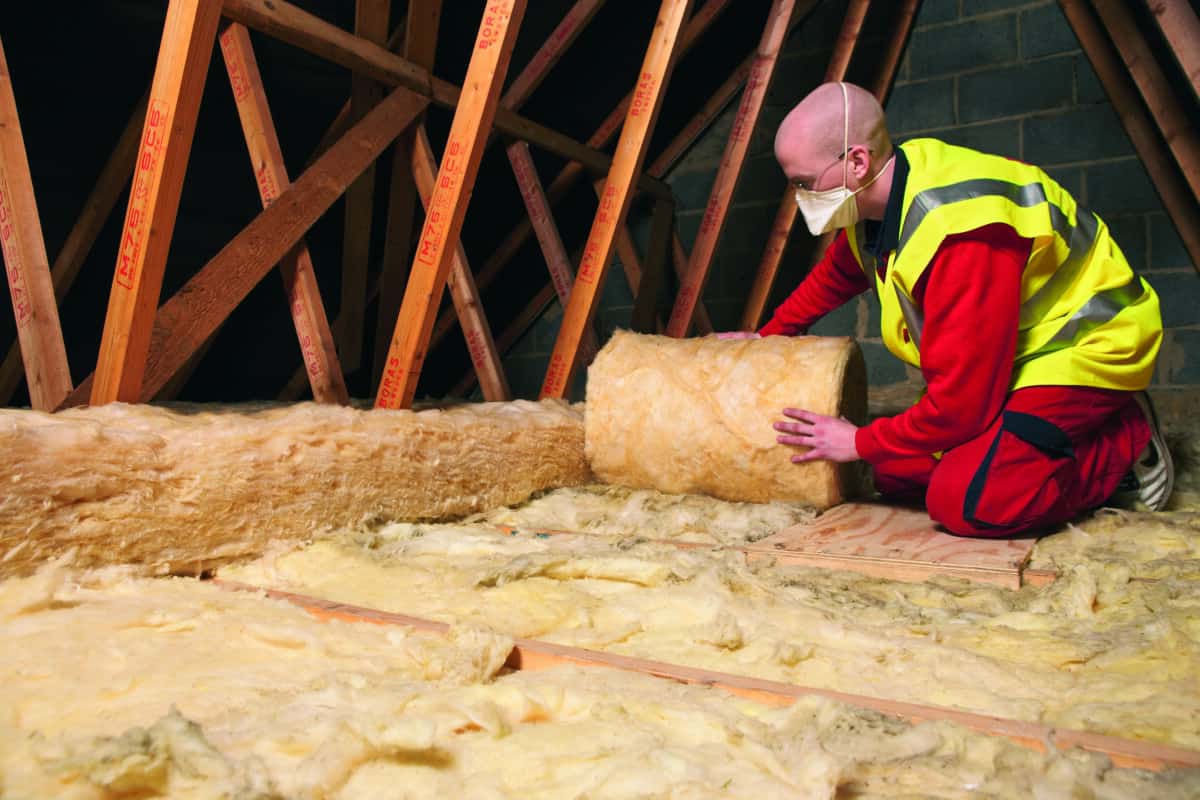
If you don’t have roof insulation, install it! And if you do have it, check how deep it is; 270mm is the recommended depth. Roof insulation can settle and drift about over time. Around a quarter of heat is lost through the roof in an uninsulated building. Installed correctly, roof insulation should pay for itself many times over in its lifetime.
Check your curtains
Really! Ensure you have thick curtains over windows and external doors and close them when it’s getting dark. This will help keep draughts out and warm air in.
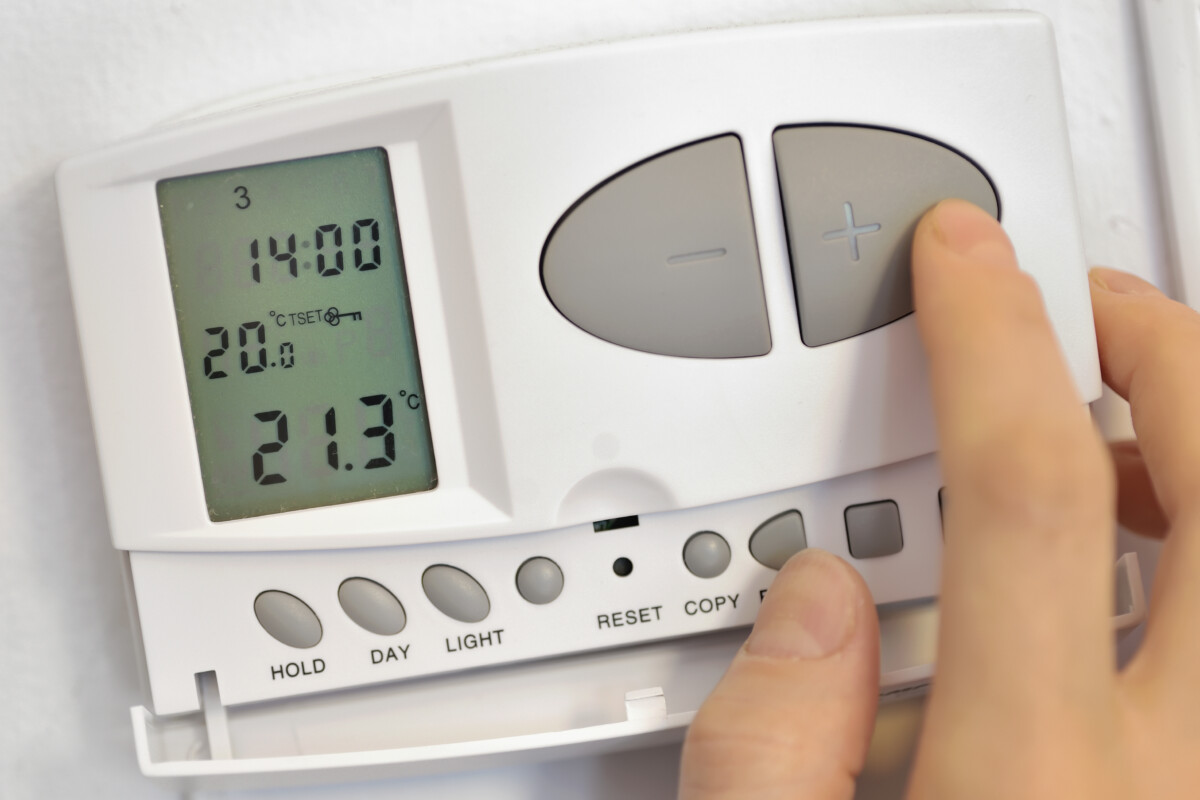
Use the building’s heating controls effectively
Make sure you’re only heating spaces that need it, and not wasting energy by heating spaces that don’t. Smart heating controls, which you can control remotely via a smartphone, could be a good option if there isn’t someone on site all the time.
Think about how the building is used
Knowing how the building is used will allow you to heat it more efficiently by not unnecessarily heating under-used -spaces. You might consider using smaller rooms or concentrating use of the building over fewer days. You could also use room heaters (for example infra-red or halogen heaters) to heat individual rooms, rather than heating the whole building.
Thermostatic radiator valves (TRVs) on radiators can control which rooms receive the most heat, allowing you to turn down radiators in rooms you use less often. But remember, if your building is left unheated for long periods you may experience damp problems.
Service your boiler
Make sure your boiler is serviced checked regularly, and have your radiators flushed or bled when necessary.
Involve people!
Tell the users of your building about the steps you’re taking to manage energy use and how they can help keep the building warm and keep running costs down. List the things they can do to support this effort – closing curtains, switching off lights etc – through posters and social media, on your website and in the terms of use for room bookings.
Get a thermal imaging survey
A thermal imaging survey will show you where heat is leaking from your building. Most of your building’s energy use will be on heating, so this is an effective way to know where to prioritise effort. Sometimes local libraries, councils, community environment groups or colleges have a thermal imaging camera that they are prepared to lend.
Next steps …
And what about the longer-term resilience of your community building? Larger energy saving building improvements, often known as retrofit, could include installing wall and floor insulation; changing your heating system to a more efficient, low-carbon option; smart technologies or even installing solar PV. To get started, take a look at Local Trust’s Retrofit your community building resource, which CSE helped to create.
More energy saving advice
For lots more energy saving information from insulation, to solar panels, smart meters and energy efficient doors and windows, check out our advice pages.
-
Community Building Energy Surveys
Our bespoke service to help community buildings become more energy efficient, cut bills and save money.
-
Project

Free cost-of-living support and advice for community businesses
Expert advice and resources for community businesses to save energy and build a better future.
Community energy Insulation & heating Building performance -
Advice
Gas and oil central heating controls
If you know how to set your heating controls, you’ll save money on your bills.
Saving money Keeping your home warm Healthy homes -
Advice
Loft insulation
Insulate your home to improve energy efficiency and stop the heat from escaping.
Keeping your home warm An energy efficient home