Empowering pupils to lead climate action in primary schools
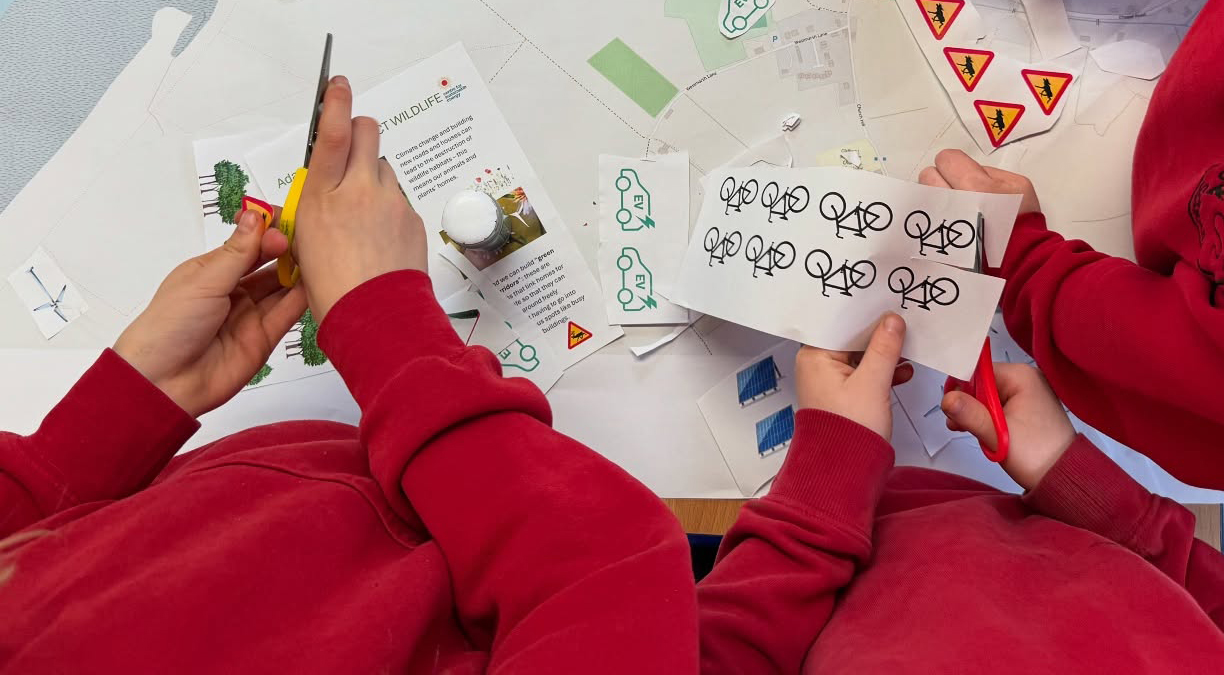
Young people are concerned about climate change and want to be a part of the solution. At the same time, schools are being encouraged to take meaningful action by the Department for Education. This includes the expectation that every school has a nominated Sustainability Lead and a Climate Action Plan.
So why not bring the two together?
Climate Action Plans are most effective when they are understood and championed across the whole school community. By involving pupils in the development and delivery of such plans a rich learning opportunity is created. Climate education and student development are combined with practical action. The result is a truly school-wide approach to sustainability that involves children and centres their voices.
CSE has delivered over 100 free curriculum-aligned climate and energy workshops to primary schools in South Gloucestershire since 2017. In all, our workshops have reached thousands of pupils.
Throughout the 2026-27 academic year, we’ll be delivering four in-person workshops with Eco Committees in five schools in South Gloucestershire. These will help to develop pupil-led Climate Action Plans for their schools. The workshops will help schools build momentum and plan campaigns around sustainable topics that mean the most to their students. This is in partnership with South Gloucestershire Council, which declared a climate emergency in 2019.
Inspiring and empowering
“Young people are concerned about climate change and want to be a part of the solution,” says CSE’s Lydia Havill. “Our workshops show them the way. And teachers tell us that their students find the workshops inspiring and empowering. They give them ways to respond to the challenges of climate change with positive action, even at their young age.”
The four workshops will work through key components of building a pupil-led Climate Action Plan. We start with an introduction to climate change and Climate Action Plans – what they are, why they matter, and how they support schools in becoming more sustainable. Where a school already has a Climate Action Plan, pupils will have the opportunity to look through it and identify areas where they can make a difference.
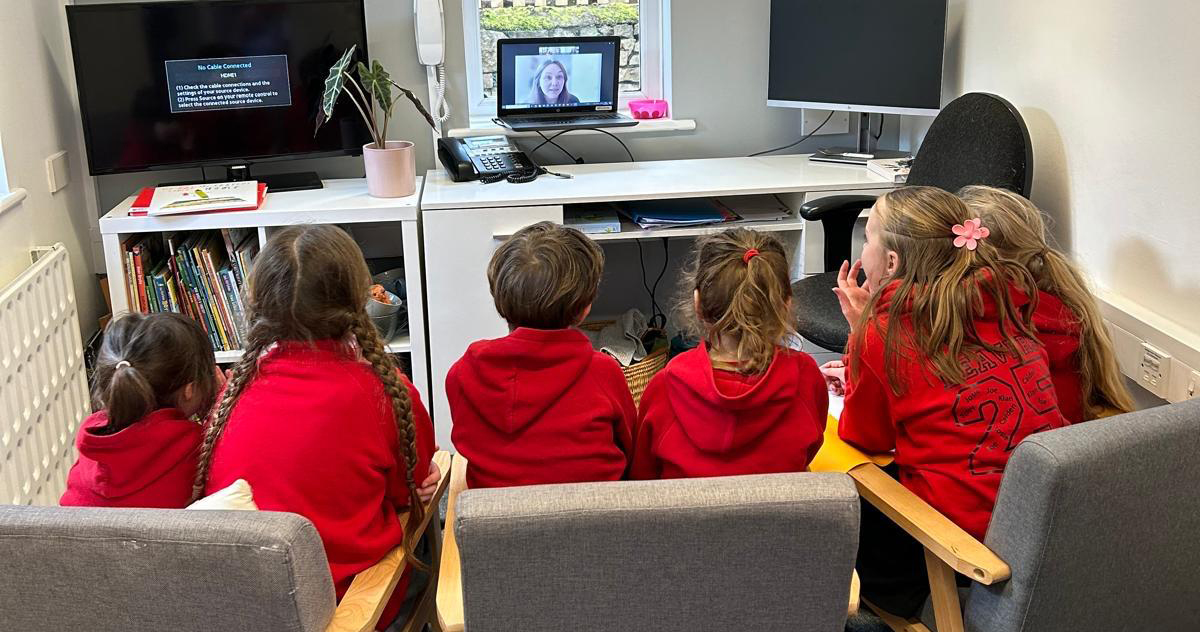
Pupils will then select a focus area that matters to them and their school community. This could be reducing energy use, improving biodiversity and resilience to climate change, or protecting air quality and encouraging active travel.
Ideas into action
After that, the workshop focuses on turning their ideas into action. We introduce pupils to a campaign cycle that can be used again and again for different issues. This developes their skills, nurtures their interest and empowers them to take practical action.
The final session focuses on launching the campaign and engaging the wider school community. Pupils are supported to share their ideas and inspire action by preparing an assembly, putting together a report for the headteacher, updating or creating a Climate Action Plan, or leading other initiatives tailored to their school’s needs.
By the end of the programme, pupils will have a stronger understanding of climate issues, the confidence to effect positive change, and the skills to turn ideas into action through their school’s Climate Action Plan.
Transforming our communities
“This is a fantastic opportunity for schools and pupils to work with CSE who are experts in these subjects,” said Lucy Rees, Senior Environmental Policy & Climate Change Officer at South Gloucestershire Council. “These sessions give pupils a good understanding and experience of applying their own thinking to the challenges and opportunities that are involved in transforming our communities and society in response to the Climate and Nature Emergency.”
The response from teachers has also been extremely positive, as this feedback from the workshops in previous years demonstrates:
“It was a great workshop – the children were really engaged and enjoyed the task – and they loved booing every time the words fossil fuels were mentioned! It was a really informative workshop.”
“Engaging and fun, the class feel passionately about climate change so it was great for them to be able to explore it more and ask questions.”
“Both presenters came across really well, knowledgeable and motivating.”
“It was inclusive, accessible and tailored to our school surroundings. The children loved recognising areas on the map and being able to “better” their community”.
Find out more
If you are interested in our online workshops please email Lydia Havill. Assisting Lydia in delivering the workshops are Kate Elliott-Rudder and Bea Udale-Smith.
-
Project
Merton Energy Matters
Empowering young children to be the next generation of energy champions.
Fuel poverty Community energy Energy advice Future generations -
Project

Energy in schools
An innovative energy management platforms for schools to give staff and pupils an in-depth view of how their school uses energy.
Education Behaviour change Future generations -
Project

Green Influencers
The Green Influencers scheme inspires young people to engage with energy and our planet.
Energy justice Behaviour change Future generations -
Advice Projects
Bristol Energy Champions
Energy Champions was a network to help drive sustainable energy initiatives in Bristol in 2015 and beyond.