What to do if your landlord won’t fix damp or heating

If you rent your home and something isn’t right, your landlord may have a legal duty to fix it. Problems like damp and mould, broken heating, broken windows, or poor ventilation can affect your health, comfort and energy bills.
Many renters worry about complaining, but the law gives you important protections when you ask for repairs. This guide explains what your landlord is responsible for and what you can do if they don’t help.
What to do first:
- Check what your landlord is responsible for.
- Tell them about the problem in writing, as soon as you can.
- Keep copies of everything, and photos of the problem.
- If nothing happens, write again and take the next step for your type of landlord.
Worried about complaining? You’re protected
Under the new Renters’ Rights Act, you are more protected than ever before from being evicted by your landlord.
As of May 2026, section 21, which allowed ‘no-fault’ evictions, has been abolished. Your landlord can only evict you with good reason – for example, you’ve broken your tenancy agreement, or the landlord is selling the house. They must give you formal written notice of their reason (a section 8 eviction notice).
This means you are now legally protected from ‘retaliatory eviction’, where a landlord evicts someone for complaining or asking for repairs. You can ask your council for help if your landlord threatens you because you ask for repairs.
Read on for more information about what you can ask your landlord to do, and how to ask.
What can I ask my landlord to fix?
Your landlord is responsible for keeping your home safe. You are responsible for looking after your home, and reporting repairs.
Among other things, landlords must sort out repairs to:
- Heating and hot water systems.
- Ventilation.
- Broken doors and windows.
- Structural or serious damp and mould.
Your landlord is always responsible for these, even if your tenancy agreement does not say so. They need to sort out the repairs in a ‘reasonable’ time period – the actual time will vary depending on how bad the problem is.
Is my landlord legally responsible for damp and mould in my home?
A common problem we hear about from the people we support is that their landlords won’t help sort out damp and mould. It is common for landlords to blame tenants for mould problems and refuse to do anything about it. But is it actually their responsibility?
Your landlord must fix problems with your home that cause damp – this means leaks, poor ventilation (such as broken extractor fans), or structural problems. They must also fix damp and mould if it is so bad that it is bad for your health and makes your home unfit to live in.
If serious damp has caused damage (e.g., mouldy or waterlogged carpets or plaster), your landlord will also need to redecorate.
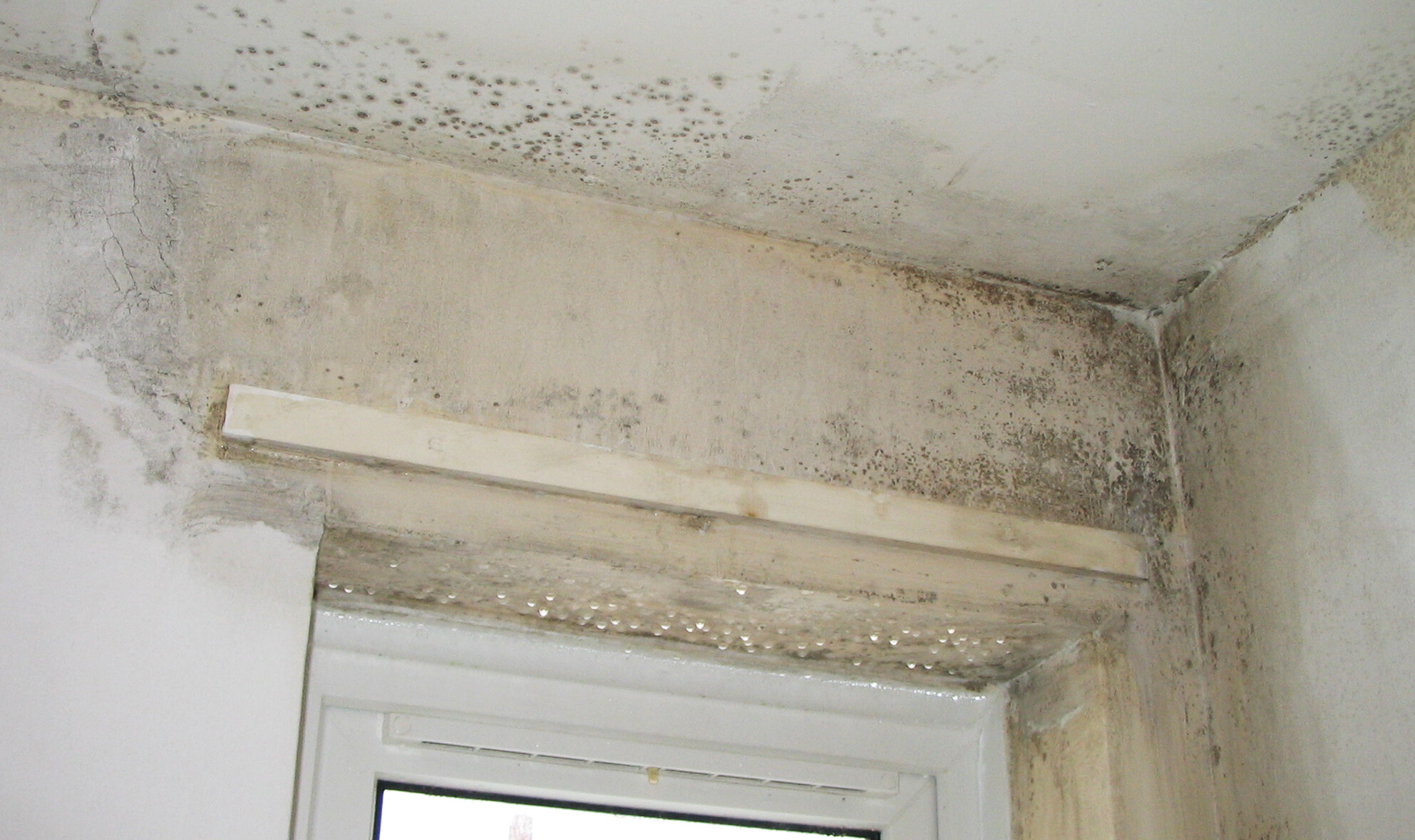
Some damp is caused by condensation. This can lead to mould growth that appears as a cloud of little black dots. It happens when moist air comes into contact with a colder surface like a window or an uninsulated wall or ceiling. Moisture gets into the air in lots of ways: when you run steamy water for bathing or washing up, when you dry clothes inside, and whenever you breathe!
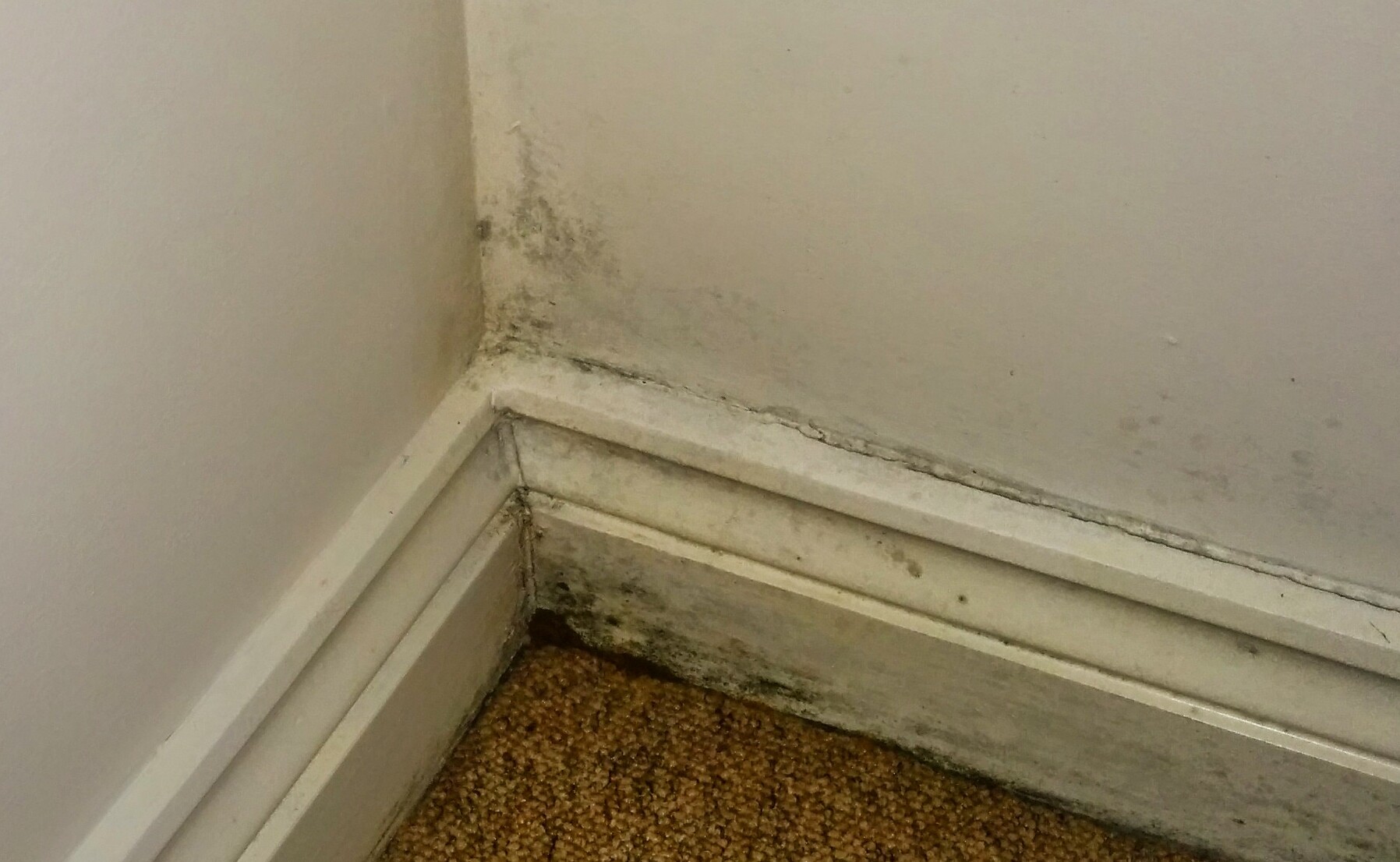
You will also find condensation in places the air is still, like the corners of rooms, behind furniture, or inside wardrobes. If damp is caused by condensation, rather than structural issues or leaks, you and your landlord have a shared responsibility to deal with it.
Things you can try yourself
Condensation happens when the air in your home is very moist or its surfaces are very cold. If your home is uninsulated or underheated, it will be difficult to stop mould growing due to the condensation. These steps can help:
- Avoid putting extra moisture into the air. Dry clothes outdoors; use a tumble dryer or dehumidifier if you don’t have outside space. Keep lids on pans when cooking. Limit steamy showers.
- Let moist air out and fresh air in. Open all your windows at once for five minutes to refresh the air in your home, even on cold days. Use your extractor fan during and after cooking or bathing, if you have one.
- Warm your home. Heat all rooms to at least 16°c to limit condensation. If you can’t afford this, we can help. Contact our advice line for more information.
You can find lots more information about this on our website at www.cse.org.uk/advice/condensation-damp-and-mould. Or speak to our advisors for tips and tricks specific to your situation.
If you’ve tried all these changes but you are still having problems with mould, you need to tell your landlord. Landlords should investigate and sort out any underlying causes, such as a lack of ventilation or insulation. They could provide a dehumidifier, if needed.
Insulation in your walls and ceilings will stop surfaces getting so cold in winter. It also means your heating will go further, potentially saving you money on fuel bills. Under legal Minimum Energy Efficiency Standards (MEES), your landlord may be required to improve the insulation in your home. See section below.
How do I ask my landlord to fix something?
Check your tenancy agreement for how to report repairs.
- Tell your landlord as soon as you can, before the problem gets worse.
- Ask in writing, by email or letter, so you have a record. Shelter has templates you can use at www.shelter.org.uk.
- Keep a record of everything: copies of your emails and letters, and photos of the problem.
If your landlord ignores you or refuses to help
Write to your landlord again, being clear about what the problem is and why it needs to be sorted out. Keep records and evidence, such as photos of the problem and emails between you and your landlord.
Private landlords: If your landlord still doesn’t help, you can complain to the letting agent. If your private landlord or agent unreasonably delays repairs, or does not respond, your next step could be to report your landlord to your council’s private renting team. This team can ask the council’s environmental health team to inspect the disrepair. Ask your local councillor to contact the private renting team for you if the council will not do an inspection.
Social landlords (local councils and housing associations): If your housing association or council housing team does not help, you can escalate the complaint. Once you have followed your landlord’s internal complaint procedure, if you are still not happy, you can escalate your complaint to the Housing Ombudsman, an independent service that looks into complaints about social landlords.
Social housing: what Awaab’s Law means for you
If you live in social housing and serious damp or mould is making you or your family unwell, your landlord must take your concerns seriously and act quickly. They have a responsibility to investigate the cause and put things right if needed. Awaab’s Law is named after Awaab Ishak, a two-year-old boy who died because of severe mould in his social housing home.
Awaab’s Law only applies to social housing and is intended for serious damp and mould problems that affect health or make a home unsafe to live in. It does not currently apply to private landlords.
Once you report a serious damp or mould problem, your landlord should:
- Investigate within 10 days. They should assess the problem and identify what is causing it, either through a visit to your home or over the phone.
- Make the home safe within 5 working days if they find a serious hazard. This could include repairing leaks, cleaning mould, or taking other urgent action to reduce the risk to your health.
- Take steps to stop the problem from coming back. If more extensive repairs are needed, such as fixing a roof or improving ventilation, they should arrange these promptly and start the work as soon as possible.
- Provide temporary relief if they cannot sort the problem immediately. Your landlord might provide a dehumidifier, portable heating, or ventilation. In really serious cases, they might need to provide alternative accommodation.
If your landlord does not investigate, carry out urgent repairs, or take action to prevent the damp and mould returning within these timeframes, you can refer to Awaab’s Law when making a complaint. Highlight any delays and explain how they have affected you and your household.
You can find lots more information about your rights as a private or social tenant online at www.shelter.org.uk, or contact a local housing charity for advice.
Keeping your home warm
Even if nothing is broken, a cold home can still be your landlord’s business. If you rent privately, your landlord may have to improve how well your home holds heat. Your home’s Energy Performance Certificate (EPC) rates how energy efficient it is.
To find out your home’s rating:
- Ask your landlord for a copy of your EPC, or search for it at www.gov.uk/find-energy-certificate.
- Read the improvements the EPC suggests. Your landlord should consider putting these in place.
Private landlords must meet a minimum EPC rating under the Minimum Energy Efficiency Standards (MEES). The minimum is currently E. Some older or hard-to-improve homes may be exempt.
What do I need to do when I move in or out?
- Take meter readings for your electricity, and gas if you have it, on the first and last days of your tenancy. If you don’t, you may be charged for energy you haven’t used. Our caseworkers come across this dispute a lot, so save yourself a headache.
- Put the energy bills in your name as soon as possible. This stops debt building up without you knowing, which can be a nasty surprise and affect your budget for months.
- Don’t forget your water bill. See our Saving water to save money page for more on water billing.
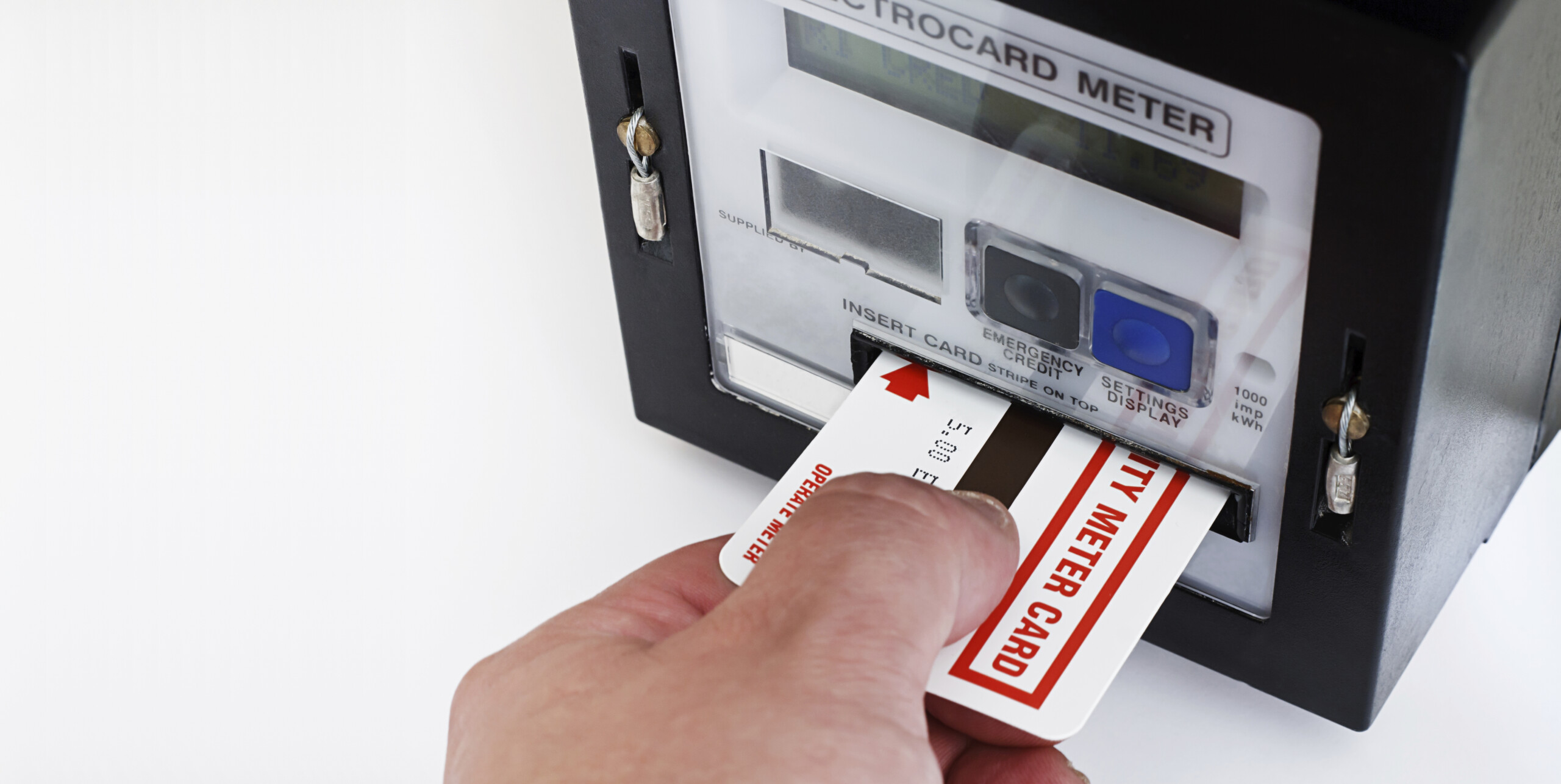
- Check whether your new home has a prepayment meter. These are also called top-up, pay-as-you-go or key meters. Each key or card is unique, so you can’t use the same one at a new property, and you shouldn’t use one left by the previous occupant. See our Prepayment meters page for how they work.
If you’re finding it difficult to keep your home warm, safe and healthy, our CSE advisors are here to help. We offer free, independent advice to households across England and Wales. Don’t wait for a problem to get worse. Contact our free advice line via phone, email, or WhatsApp today to speak to an advisor.
-
Advice

Energy debt on prepayment meters
What to do if you find yourself in debt on your prepayment gas or electricity meter.
Managing your bills -
Advice

Dealing with your energy supplier
Whether you’re considering staying with your energy supplier or switching, you need to make sure you are getting a good deal.
Managing your bills -
Advice

Why is my energy bill so high?
Is your gas or electricity bill much higher than you’re expecting? We’ll help you work out why.
Saving money Your energy supply -
Advice

Saving water to save money
By reducing the amount of hot water you use, you’ll also cut your bills for gas, electricity or oil.
Saving money Managing your bills