How to keep your home cool in hot weather
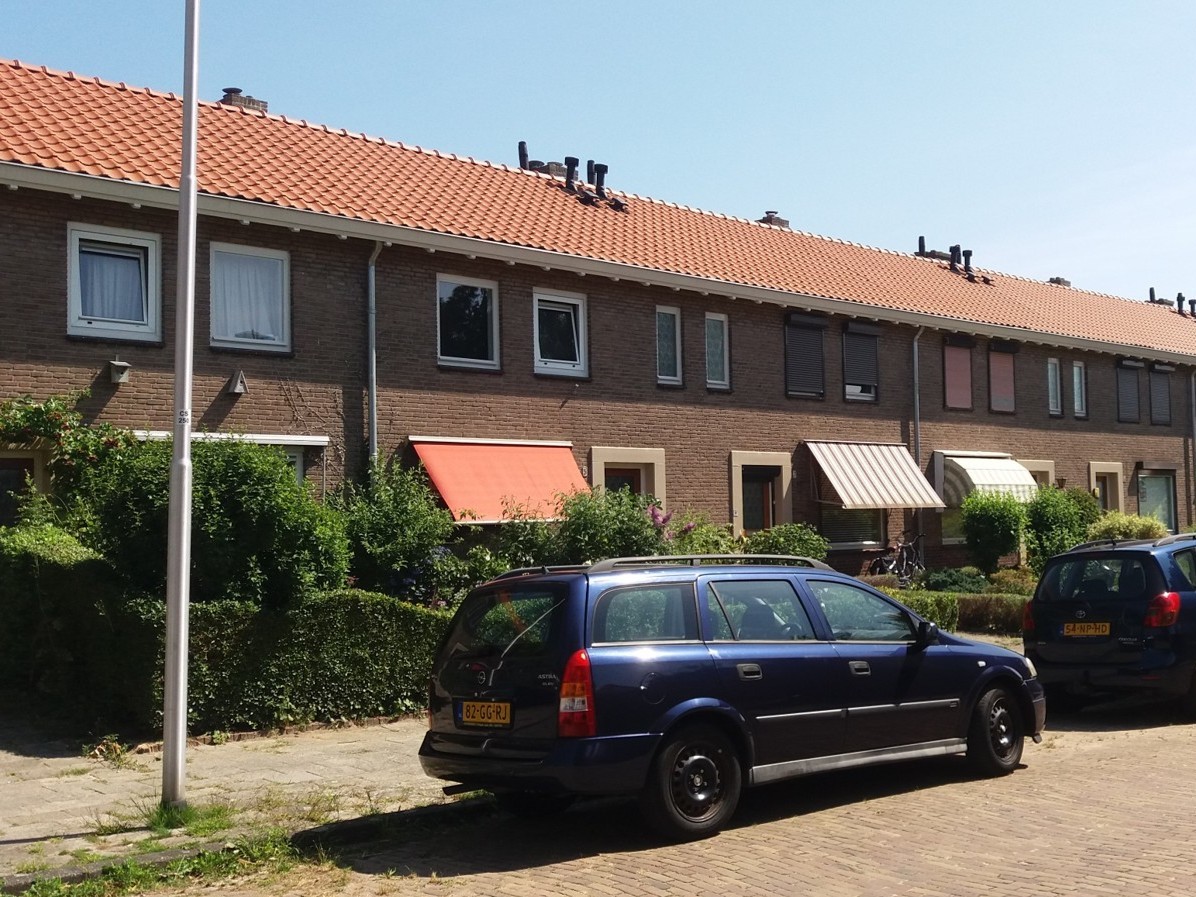
Climate change means that heatwaves in the UK are happening more often and becoming more intense. Here are some simple ways to help you keep your room or your home cooler in extreme heat. They’re all quick, cheap and easy to do, and are suitable whether you rent or own your home. Only do them if you can do so safely.
This advice page has been written in collaboration with Heatwave Toolkit.
Children, older people, and those who are pregnant or have certain health conditions can be affected more than others by homes that are overheating. As you read this guide, consider also whether a friend, neighbour or family member may need help getting their home ready for hot weather.
This advice is organised into four key sections:
Keep the heat out
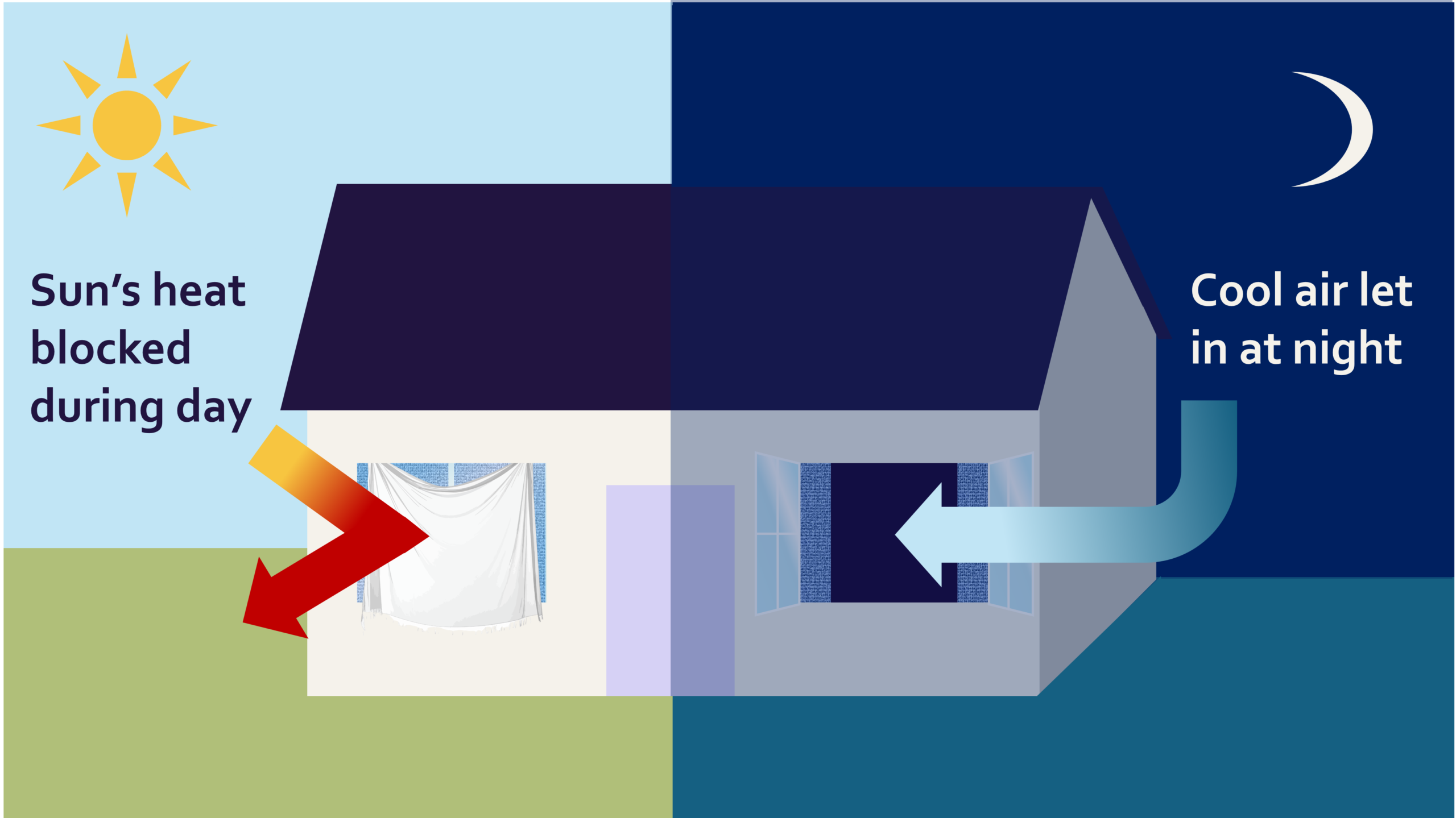
You should start by keeping as much heat out of your home as possible by stopping the sun getting in. If the sun is shining through your windows, closing your curtains and blinds will help keep some heat out.
However, while it’s easy to shade windows from the inside, this still lets most of the heat get through the glass. It’s much more effective to shade your windows from the outside.
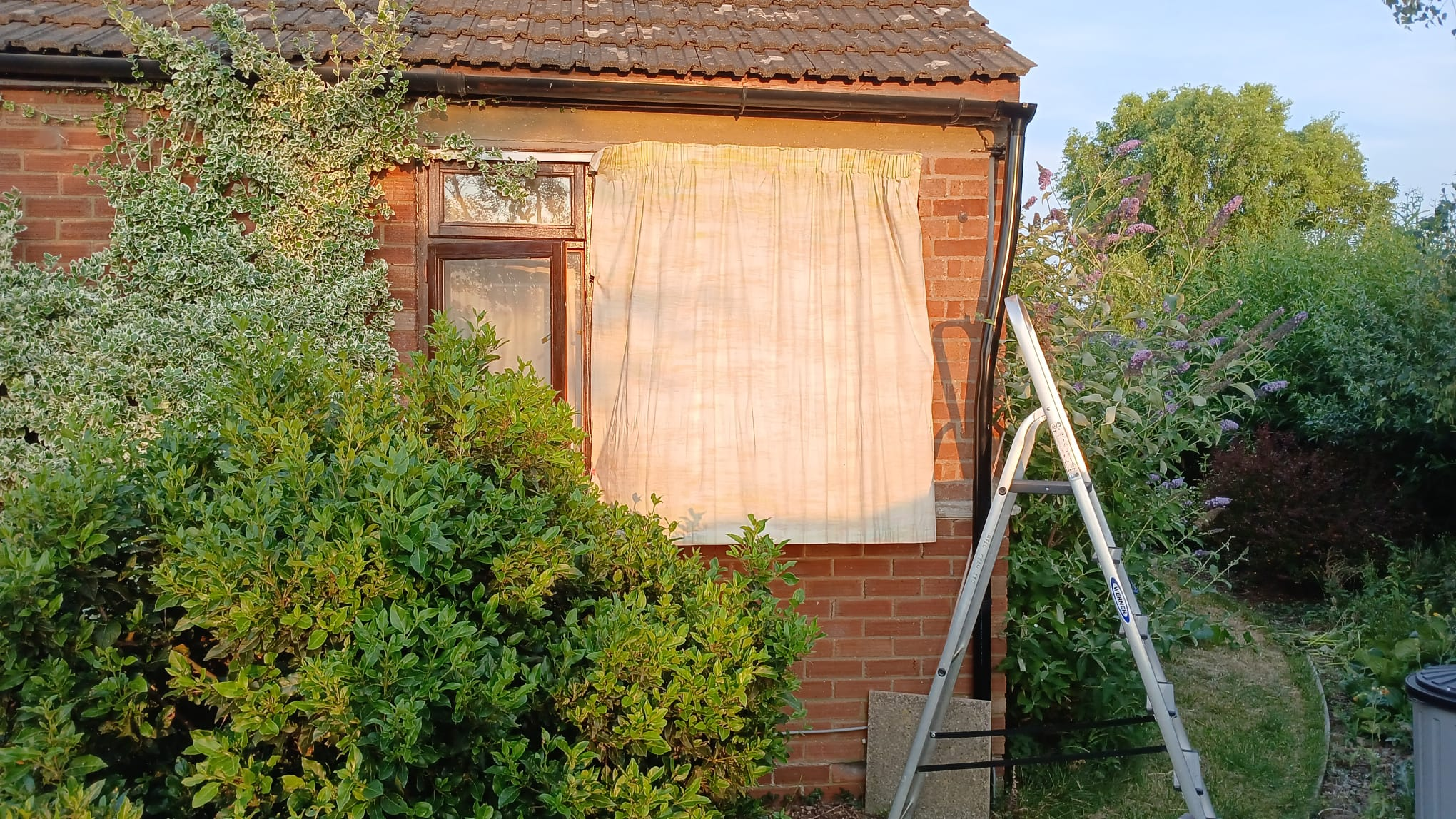
Put something over the outside of your windows
You could hang old sheets or towels over them or stick flattened cardboard boxes against the panes. Or you could buy cheap materials such as shade cloth for greenhouses (£15), a shade sail (£25), honeycomb packaging (£9), or a bamboo blind (£10).
Paint the outside of your windowpanes
Greenhouse shading paint (£20), or even a thin layer of yoghurt applied with a paint roller (£1) can greatly reduce the heat coming through your windows. They’ll both wash off easily with soap when you don’t want them anymore.
Set up a parasol outside your windows
You can use a parasol (£40) to stop the sun from hitting your ground-floor windows or glass doors.
Prepare before hot weather arrives
Shading the outside of your windows will work best if you put it up before the heatwave starts. This stops heat building up inside your home. Sign up for UKHSA Heat-Health Alerts, which typically provide several days’ warning in advance of hot weather.
More permanent options
If you’re able to make longer-term changes to your home, you could consider installing awnings, external blinds, or shutters. See the Heatwave Toolkit website for more details on these.
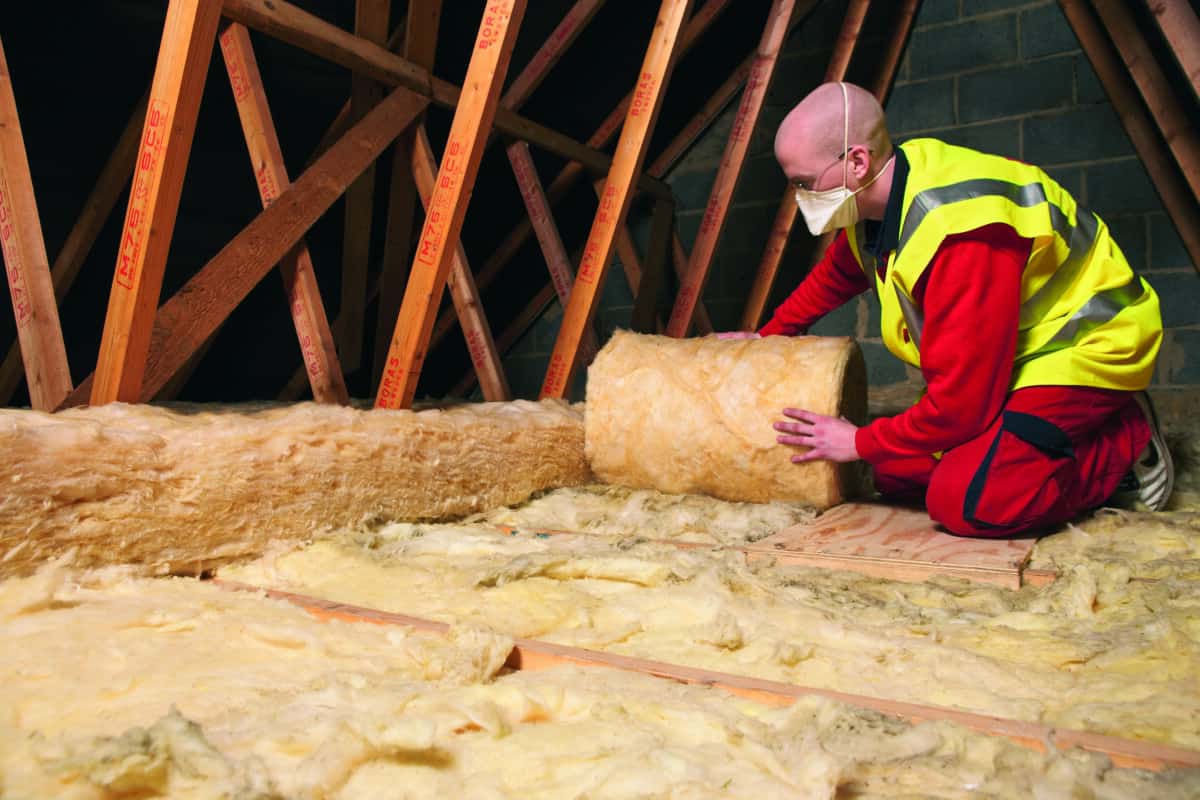
If you can, installing good loft insulation will make a big difference. Loft insulation doesn’t just keep your house warm in winter – it also stops heat entering from above in summer.
If you have a garden you’re able to make changes to, you could also plant trees to help shade your house. Even if you can only plant a small tree now, it could grow to shade your home in the years to come.
Let cool air flow
Once you’ve ensured that you’re blocking out as much heat as possible, you can think about how to get cool air moving through your home.
Open and close your windows at the right times
You should only open your windows when the outside temperature is cooler than the inside temperature. In practice, this means leaving your windows open at night, closing them in the morning before the temperature outside starts to climb, and opening them again in the late evening after it’s cooled down outside. You could get a pair of thermometers (£6) and put one inside and one in the shade outside – or just wave your hand out of a window – to see whether it’s hotter or cooler outside.
Open windows on opposite sides of your home
As mentioned above, you should only open your windows when it’s cooler outside than inside. Opening windows on opposite sides of your home creates a cross-breeze, helping cooler air to move through the house. If your home has more than one floor, open windows at both low and high levels. As warm air rises, this helps hotter air escape through upper windows while drawing cooler air in from below.
Use an electric fan
The average fan costs around 3p per hour to run. Use a fan at night and put it by the window facing inwards so it can blow cool air from outside into the room. If you’re using a fan during the day, the coolest air will be at the bottom of the room, so putting your fan on the floor and pointing it upwards will blow cooler air around. But be careful – if the room temperature is above 35 degrees, a fan will likely heat you up rather than cool you down.
More permanent options
A more permanent option is to install a ceiling fan. These have low running costs and are very effective.
You might also be considering portable air-conditioning. However, before splashing out on a portable air-con unit, it’s worth considering simpler ways to keep the heat out and keep the air flowing (e.g. with ceiling or standing fans). This is because portable units use 30-50% more electricity than fixed systems. The efficiency will drop even further if the unit isn’t set up correctly as they need to be properly vented to the outside using a special fitting for the window. If the vent is just put through an open window, it will let heat back in.
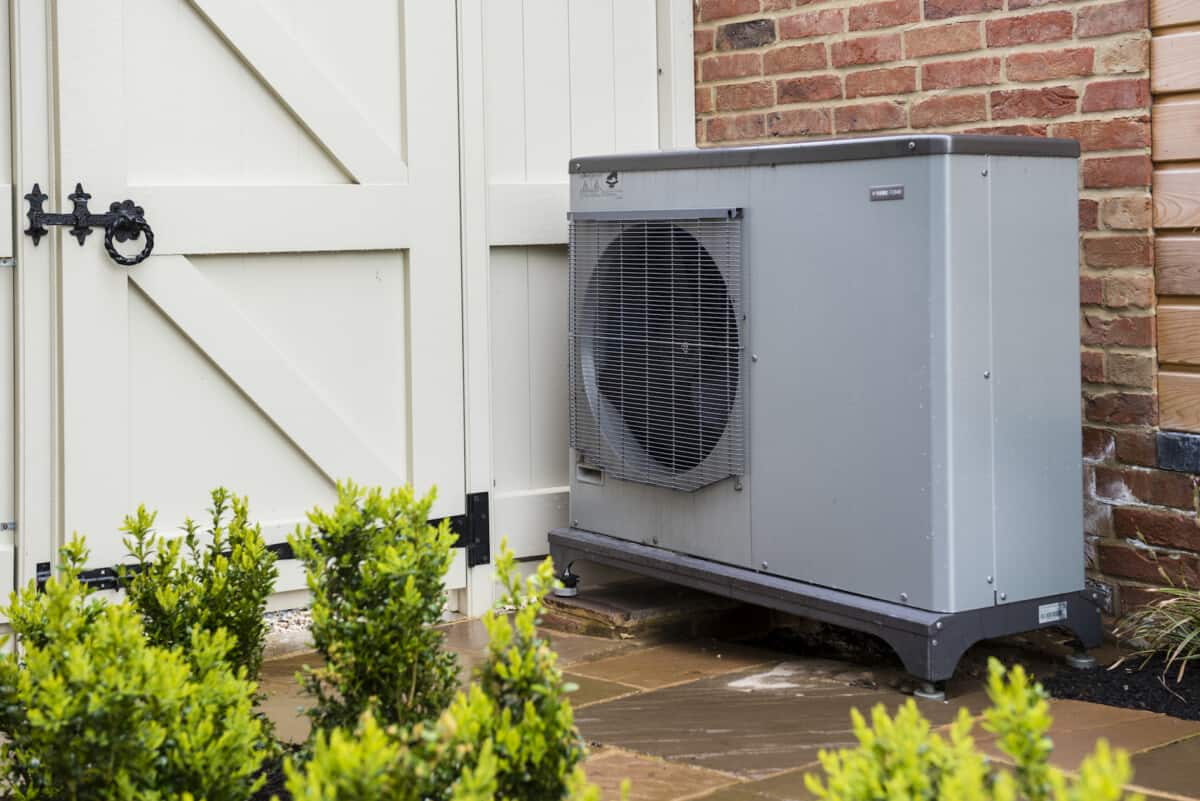
If you have an air-to-air heat pump, you can switch it to the cool setting (usually represented by a snowflake icon) to pump cool air into your house.
Keep following the ‘Keep the heat out’ advice above even if you have air-conditioning. This will reduce the amount of cooling required, helping the system cool your home more effectively while using less electricity.
How to stay cool during the day
Changing your habits during the day can help you keep yourself and your home cool.
- Avoid using appliances, especially ovens and hobs, during the day. All appliances release heat when they run – even things like dishwashers and washing machines. If you can, use them in the evenings or run them at night instead. Heat food using a microwave rather than your oven.
- Drink plenty of water. You’ll be sweating a lot in the heat, and it’s important for your health to stay hydrated.
- Avoid being outside during the hottest part of the day. This is usually between 2pm and 5pm. When you do go out, take water with you and consider getting a folding hand fan or battery powered fan.
- Use water to help you stay cool. You could put a cool wet flannel on your face, your feet in a bowl of cold water, or have a lukewarm bath or shower to cool yourself down.
Find a cool space near you
If you’re still uncomfortably hot at home, you could visit a cooler building near you. This might include your local church or library, free museums or galleries, shopping centres, or cafes. Woodland areas, parks with lots of trees, or areas near water tend to stay cooler too. Outside of peak sun hours, splash pads in parks are especially good for keeping kids cool. Here’s a list of registered ‘cool spaces’ in Bath and North East Somerset, and here’s one for people living in London.
How to stay cool at night
It can often be tricky to sleep when it’s hot. Below are some ways to help you sleep better despite the heat.
- Ensure your home is as cool as possible throughout the day. First, follow our advice above on keeping the heat out and letting cool air flow. This will mean that by the time you’re going to bed, your house isn’t as warm.
- Have a cool bath or shower before bed. This will lower your body temperature before bed, so you’ll find it easier to sleep. But don’t do this right after you’ve come inside from intense heat, because a sudden change in temperature isn’t good for you.
- Sleep in the coolest room in your house – if you have multiple floors, this is likely to be a downstairs room. If you’re limited to one room, consider sleeping on the floor where the air is cooler.
- If you can, sleep alone. Having another person in your bed will make you warmer.
- Ditch the duvet. Sleep under a sheet instead. If you can, make sure your sheets are cotton or another natural fibre – these are more breathable than synthetic fabrics.
- Sleep under a damp sheet. Run a bedsheet under a tap, wring it out, and use it as a blanket.
- Turn your hot water bottle into an ice pack. Fill your hot water bottle halfway with water and put it in the freezer a few hours before bed.
This advice was produced and published by the Centre for Sustainable Energy, drawing on general guidance developed by Heatwave Toolkit. Every person, home and situation is different, and this advice may not fit your individual circumstances. Please seek professional help and permissions where relevant, or contact us for advice that’s more tailored to your situation.
Take what works for you, share useful ideas with your neighbours, and visit the Heatwave Toolkit website for more recommendations on how to keep your home cool.

-
Advice
Loft insulation
Insulate your home to improve energy efficiency and stop the heat from escaping.
Keeping your home warm An energy efficient home -
Advice
Heat pumps
What are heat pumps? How do they work? And could you heat your home with one?
Renewable energy Keeping your home warm