Heat pumps
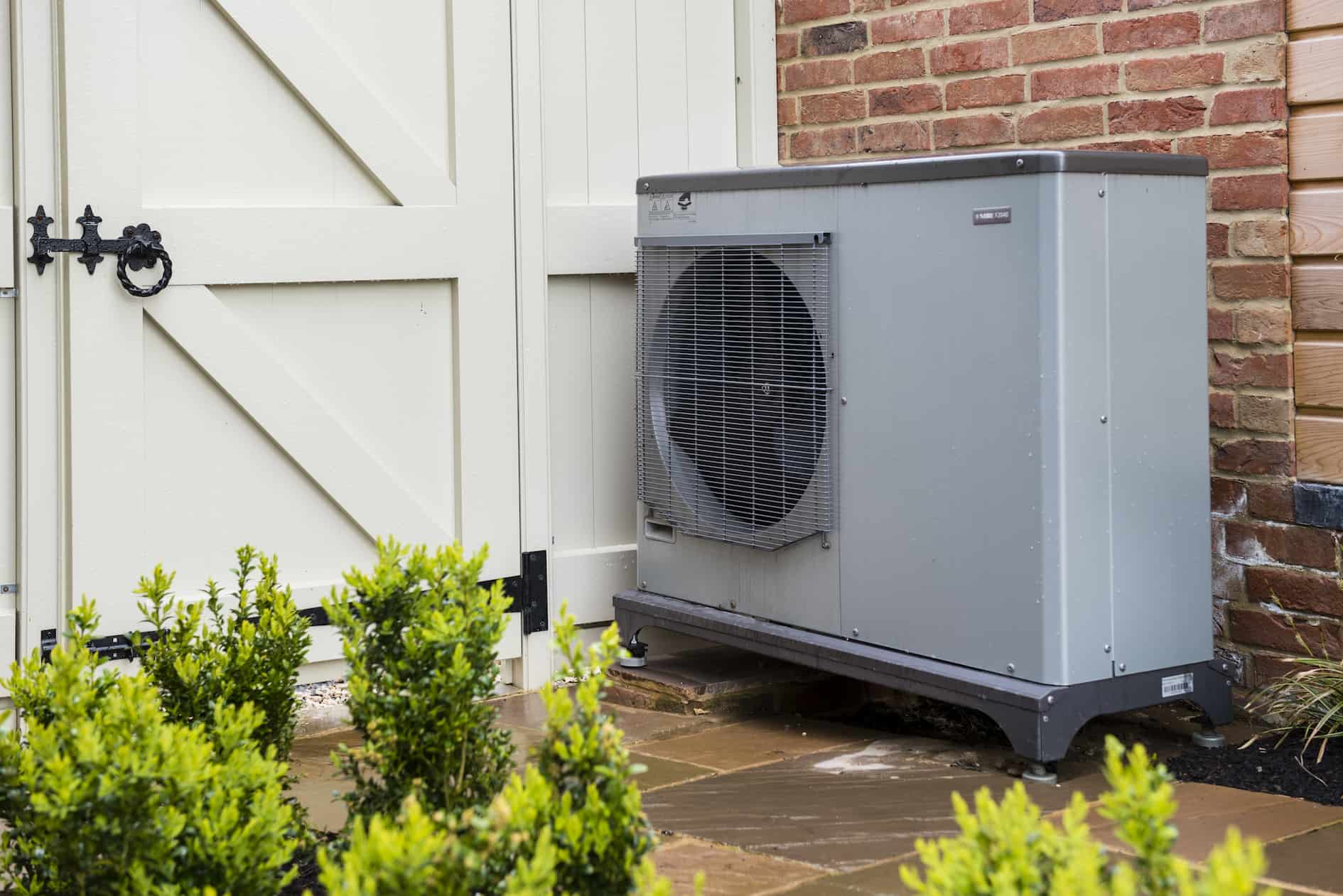
When it comes to low-carbon heating, it seems everyone is talking about heat pumps. But what is a heat pump? How do they work? And could you heat your home with one?
Our team of retrofit advisors and energy specialists answer the most common questions about heat pumps, an increasingly popular heating system.
Watch our short video where Joe, CSE Retrofit Coordinator, busts some common myths about heat pumps. Or use the links below to find helpful answers.

What is a heat pump and how do they work?
What are the different types of heat pumps?
Will a heat pump reduce my heating bills?
Will I need to change my radiators to install a heat pump?
Do I need to change my pipes?
Do I have to put in underfloor heating?
Will I need to insulate my house first?
Will I need a hot water cylinder or replace my existing one?
Does a heat pump work with solar panels?
How big does my heat pump need to be?
What are high temperature heat pumps?
I live in a small flat. Can I get a heat pump?
What are hybrid heat pumps?
Do air source heat pumps make a lot of noise?
Do air source heat pumps stop working when it’s really cold outside?
Will the electricity grid be able to cope with all these new heat pumps?
What grants are available to me?
Where to get more information
What is a heat pump?
Heat pumps absorb warmth from the outdoor air, ground or water (even when the air, ground or water feel cold). They use this warmth to heat your home and hot water.
They work the same way as a fridge or freezer, only in reverse, with the refrigerant and a compressor providing heat rather than cooling.
Heat pumps run on electricity, and for every unit of electricity they consume, a well-installed and reasonably high-spec model will produce 3 units of heat. This represents an efficiency of 300% – often much higher than a new condensing gas boiler, which might achieve an efficiency of 90%.
In other words, heat pumps are often over three times more efficient than gas boilers. And because a unit of electricity currently emits the same amount of CO2 as a unit of gas, heat pumps deliver significant carbon savings. They can also deliver savings on heating bills, depending on what heating system they are replacing.
Heat pumps are not a new technology, and millions of people across Europe are already heating homes very effectively with them. They are particularly common in the colder Nordic countries and in France and Italy.
Heat exchangers, compressors, refrigerants and the science
We’re not going to go into all that here! If you want more detail on how they work, the Energy Saving Trust’s In-depth guide to heat pumps is a good place to start.
What are the different types of heat pump?
There are four types of heat pump: air source heat pump, air-to-air heat pump, ground source heat pump and water source heat pump. Let’s look at each in turn.
Air source heat pumps
Air source heat pumps are one of the cheapest and easiest heat pumps to install. They are also known as air-to-water heat pumps to distinguish them from air-to-air heat pumps (see below).
They typically consist of a sealed external unit containing a fan (see photo).
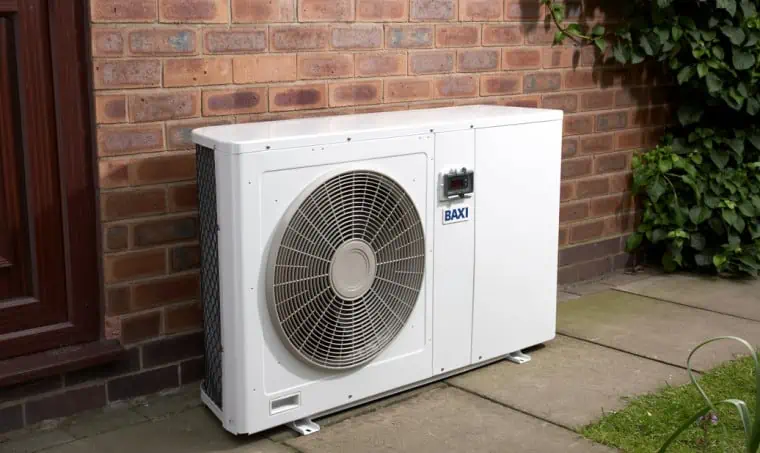
Air source heat pumps are very efficient because all they do is transfer heat energy from the outside air to the water in your heating system. In order to do this, they just need a small amount of electricity.
Modern air source heat pumps have undergone a lot of research and development and can achieve efficiencies close to that of ground source heat pumps when installed to a high standard.
Air-to-air heat pump
These are technically a type of air source heat pump because they get their heat from the air outside the home. However, unlike regular air source heat pumps, which heat the home using radiators, these produce warm air that’s blown into the living area.
Typically, they’re more suited to heating smaller homes, like flats. They might have an outside unit or an indoor unit (which draws heat from the air outside through ducts). They are cheaper than an air-to-water heat pump, but can’t heat hot water, so an additional hot water system will be needed (for example, an immersion tank or a heat battery).
Ground source heat pumps
Ground source heat pumps use buried fluid-filled pipes to absorb heat from the ground. These pipes can either be in horizontal trenches around 1m below the surface, or in vertical boreholes which go much deeper, from 60m to 200m. An indoor unit houses the compressor and heat exchanger to transfer the heat to the central heating system and hot water cylinder.
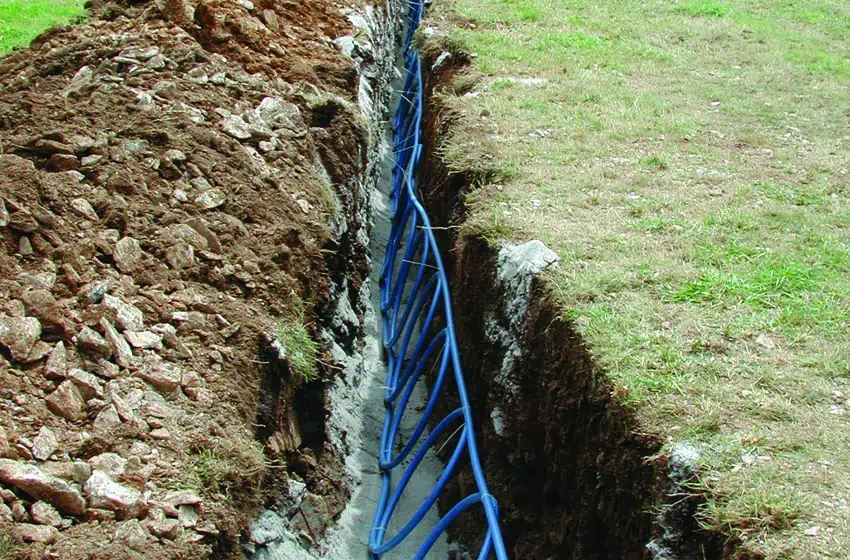
Because the temperature a metre below the surface of the ground remains around 10°C throughout the year, there is more energy to extract from the ground than from the air during the heating season. This means ground source heat pumps tend to be more efficient than air source heat pumps.
However, the installation can be very expensive and in the case of horizontal trenches, requires a large area of land to dig up. This means they are typically only used in larger rural properties or for groups of buildings.
Water source heat pumps
Water source heat pumps work in much the same way but require very particular conditions. As a result, they are quite rare and need specialist design. For example, they draw heat from water in a pond or lake. A good source for further information is the Energy Saving Trust.
Will a heat pump reduce my heating bills?
When installed to a high standard, a heat pump could lower your energy bills and make your home more comfortable. But there is also a risk your bills could increase. Whether a heat pump will reduce your bills depends on a range of factors:
What fuel you currently use
Mains gas is typically the cheapest fuel, so replacing a gas boiler with a heat pump will bring lower savings compared to replacing an oil or LPG boiler or electric heating (such as electric storage heaters).
The efficiency of your existing boiler
If your gas or oil boiler is over 20 years old (and non-condensing), it will be a lot less efficient than a brand new boiler. This means it will use more fuel to provide the same amount of heat as a new boiler and, therefore, the savings from switching to a heat pump would be greater. Even new boilers often work below their stated efficiency.
The efficiency of your heat pump installation
This is the critical factor your installer can control with good system design. There are a number of things the installer will likely do to make sure the heat pump is at its most efficient, including:
- Choosing the right size heat pump. Generally speaking, a larger home will require a higher-powered heat pump than a smaller home. Sizing the heat pump correctly will result in a more efficient system, not using too much power for a smaller home, for instance, or not getting enough heat from an undersized heat pump in a larger home.
- Making sure the temperature of the water in your radiators is as low as it can be while delivering the required heat. If your desired home temperature is 20°C, it would be inefficient for the heat pump to heat the radiators to 60°C (which is what gas boilers do) if the temperature can be reached with radiators at 45°C (which is what heat pumps can do). Each home will lose heat at different rates, or the choice of radiator size might be different between homes, for instance, so heat pumps in some homes will have a higher flow temperature than others, but heat pumps work most efficiently the lower the flow temperature can be.
- Fitting larger radiators or underfloor heating. To get this lower-than-gas-boiler temperature out into the house well, the installer might fit larger radiators – the larger surface area distributes the heat into the home more effectively. Alternatively, the heat pump might have underfloor heating, which provides a really large surface area.
- Setting up weather compensation. If the outside temperature increases – from one day to the next or as seasons change – and begins to raise the temperature in your home, the heat pump might no longer need to heat the radiators to 45°C to keep your home at the desired temperature because the home is naturally staying warmer anyway. The weather compensation in a heat pump detects these changes in outside temperature and adjusts the heat pump so it produces less heat inside, making the heat pump more efficient and your bills lower.
What is a COP and SCOP?
‘Coefficient of performance’, or COP, is the measurement of the efficiency of a heat pump. It’s determined by how much electricity the heat pump uses to deliver the required amount of heat. If the heat pump uses 1 unit of electricity to produce 1 unit of heat, it would have a COP of 1 – which, for a heat pump, would be bad. If the heat pump uses 1 unit of electricity to produce 3 units of heat, it would have a COP of 3 – which is much closer to what heat pumps can actually do (some go higher than this). The higher the COP number, the more efficient the heat pump because it can use less electricity to produce more heat.
Because the COP is a ratio – 1 unit of electricity is used to produce 3 units of heat (1:3), for example – we can also talk about it in percentages. So sometimes you’ll hear things like a particular heat pump is 300% efficient, which means the same thing: it bumps up 1 unit of electricity into 3 units of heat, a 300% increase.
The COP will vary throughout the year depending on the temperature of the air, ground or water from which the heat pump is getting its heat (air source heat pumps will be more variable than ground source because the outside air temperature fluctuates more than the ground temperature – although the difference can be negligible). As the COP can vary throughout the year, it can be more useful to know a heat pump’s SCOP (seasonal coefficient of performance), which is the annual average efficiency of your heat pump and is what determines your annual running costs.
Fabric efficiency
If your home is uninsulated and loses heat easily, having a low flow temperature can be challenging due to the size of the emitters required to radiate enough heat to keep your home warm. The overall heat demand for your home will be higher too, so the heat pump itself will need to be bigger. The more you can reduce your home’s heating demand through insulation and airtightness, the easier it is to achieve a higher SCOP, making the heat pump more efficient and reducing the running costs.
Fuel costs
If electricity becomes cheaper relative to gas and oil, then the running cost of a heat pump will come down compared to alternatives.
Time-of-use (TOU) energy tariffs could also lower running costs. Some electricity suppliers offer heat pump specific tariffs. These include cheaper electricity during certain times of day.
To fully reap the benefit of these tariffs, you must ensure your heat pump is set up to operate during off-peak hours. This can be difficult to set up manually; however, there are some smart heating controls that can automatically optimise your heat pump’s operation based on your specific tariff.
Operation and control
Because heat pumps work at a lower flow temperature than fossil fuel boilers, they need to be controlled differently. A heat pump will take longer to heat up your home and will work more efficiently if it is left on throughout the heating season. It’s only overnight, or when the home is unoccupied for extended periods, that they could be programmed to fall back to temperatures a couple of degrees lower than the temperature to which you usually heat your home – although, overnight, this would be something more for comfort than cost saving.
If you let your home cool down significantly and have to heat it again, it’s likely to be more expensive.
Heat pumps should be installed with ‘weather compensation’. This lowers the flow temperature in your central heating in response to higher external temperatures, therefore maximising efficiency.
Using a heat pump demands a cultural shift in how we use our heating compared to the on/off cycles we’re used to with fossil fuel boilers and electric heaters.
All these factors mean every property will be different. But to get some idea of the savings available, look at the table below (figures from Energy Saving Trust). This shows the potential annual savings of a standard installation in an average three-bedroom semi-detached home, depending on the existing system.
| Annual savings | Annual savings | |
| Existing heating system | Heat pump on standard tariff | Heat pump tariff (and no gas standing charge) |
| Gas boiler – least efficient | £220 | £530 |
| Gas boiler – most efficient | -£110 | £204 |
| LPG boiler – least efficient | £780 | £1,050 |
| LPG boiler – most efficient | £290 | £560 |
| Oil boiler – least efficient | £260 | £460 |
| Oil boiler – most efficient | -£90 | £110 |
| Electric heating – least efficient | £1,200 | £1,400 |
| Electric heating – most efficient | £800 | £1,000 |
Do I need to change my radiators to install a heat pump?
Most wet heating systems (for example, where hot water is pumped through radiators) have been designed to work with gas or oil boilers, which produce water at higher temperatures than heat pumps. Because they work at higher temperatures, their radiators can be smaller because they’re blasting out heat.
Heat pumps, on the other hand, work most efficiently at lower flow temperatures. Because the temperatures are lower, the heat emitters – like radiators – might need to be larger than with a gas or oil system to ensure enough heat is distributed.
Upgrading to bigger radiators could be as simple as replacing single panel radiators with double panel ones. But, in some cases, you might need space for wider or taller ones.
If you add insulation and reduce your heat loss, your existing radiators, or at least some of them, could be adequate. Your heat pump installer will calculate the required output of the radiators in each room.
Another option that heat pumps work very well with is underfloor heating. That’s because underfloor heating works at a lower temperature and tends to be on for longer periods, providing a very large surface area from which the heat can be emitted.

Do I need to change my pipes?
If you have long sections of old or narrow (8mm or ‘microbore’) pipework, you might need to change it. But this is not always necessary. Your heat pump installer will advise you.
Do I have to put in underfloor heating?
Heat pumps and underfloor heating work well together. That’s because underfloor heating emits heat over a large surface area, so works well at lower temperatures than radiators. It takes more time to heat up and cool down, both of which suit heat pumps.
Heat pumps can work well with radiators as long as they are sized correctly.
Will I need to insulate my house first?
Not necessarily, but the more insulated and efficient your home’s fabric (walls, roof, floor, windows), the less heat it needs to stay warm. This is true for a home with any heating system. For heat pumps, having a well-insulated home means it’s easier to deliver heat at a low flow temperature, which means a more efficient heat pump and lower bills.
If your house is leaky and uninsulated, then having a low flow temperature can be challenging due to the sheer size of the emitters required. The overall heat demand will be higher too, so the heat pump itself might need to be bigger. The more you can reduce the home’s heating demand through insulation and airtightness, the easier it is to achieve a greater efficiency.
The shape and detachment of your home has a big impact on its fabric efficiency even before considering insulation. A detached house will lose much more heat than a mid-terrace of the same size. This means it can be harder to run heat pumps efficiently in larger houses with lots of uninsulated external walls. But it is possible – you will just need large radiators or underfloor heating.
In short, a heat pump system can be designed to deliver the right amount of heat to many less-well insulated homes, but it will likely cost more to run than in an equivalent home that has more insulation.
A heat loss survey can help you learn more about how ready your home might be for a heat pump.
Fabric first
A ’fabric first’ approach which prioritises improving thermal performance with insulation and airtightness before looking at technologies like heat pumps is generally advised. These tend to be permanent changes to the building which reduce fuel bills and improve comfort, without running costs or much maintenance. It also allows a smaller heat pump and radiators to be installed later.
However, this doesn’t mean everything must be insulated before installing a heat pump. Insulating floors and solid walls can be very expensive and disruptive, and sometimes it isn’t possible. You might also need a new heating system when you don’t have the funds to do everything at once.
In this instance, it could make sense to do basic fabric measures, install a heat pump and then, for example, add external wall insulation at a later date.
This shouldn’t mean your heat pump is oversized if you improve insulation at a later date, as the settings can be changed on modern heat pumps. You can alter its capacity and output to match your newly insulated home.
Broadly speaking, before you install a heat pump, as a minimum, you should aim for the loft to be insulated, cavity wall insulation (where possible) and a safe level of draught-proofing (with necessary ventilation provision).
As much as possible, also try reducing heat loss through windows (double glazing can be very expensive, so you could try secondary glazing, shutters and curtains).
Will a heat pump work in an old home?
Heat pumps can be suitable for older properties. In fact, the National Trust heats some of its properties with heat pumps. Historic England has information about heat pumps in historic buildings, and we have an article on a similar topic: Is a heat pump suitable for a listed building?
For your home, it’s best to follow the above advice about insulation as best you can before installing a heat pump, but a heat pump can provide the heating older buildings require.
Will I need to have a hot water cylinder or replace my existing one?
Most types of heat pump produce hot water and, if you have one, it is the most efficient way to heat your water. However, heat pumps don’t produce hot water on demand like a combi boiler, so you’ll need a hot water cylinder to store the hot water they produce.
If you don’t have a hot water cylinder, finding a location for one is usually less of a problem than people think, as there are lots of possible places in most homes. Your heat pump installer will advise you.
Even if you have a cylinder already, you might need to replace it for one that is ‘heat-pump ready’. This basically means having a larger heating coil which heats the water at a lower rate. If you keep your old cylinder, you’ll save the cost of a new one (around £1,500), but you might incur higher running costs because a newer cylinder will have a larger coil and be better insulated.
Air-to-air heat pumps can’t usually be used to heat water, so if you have one installed you’ll likely need a separate hot water heating system. This could be, for example, an electric immersion tank, electrical instantaneous hot water points, or a heat battery.
Does a heat pump work with solar panels?
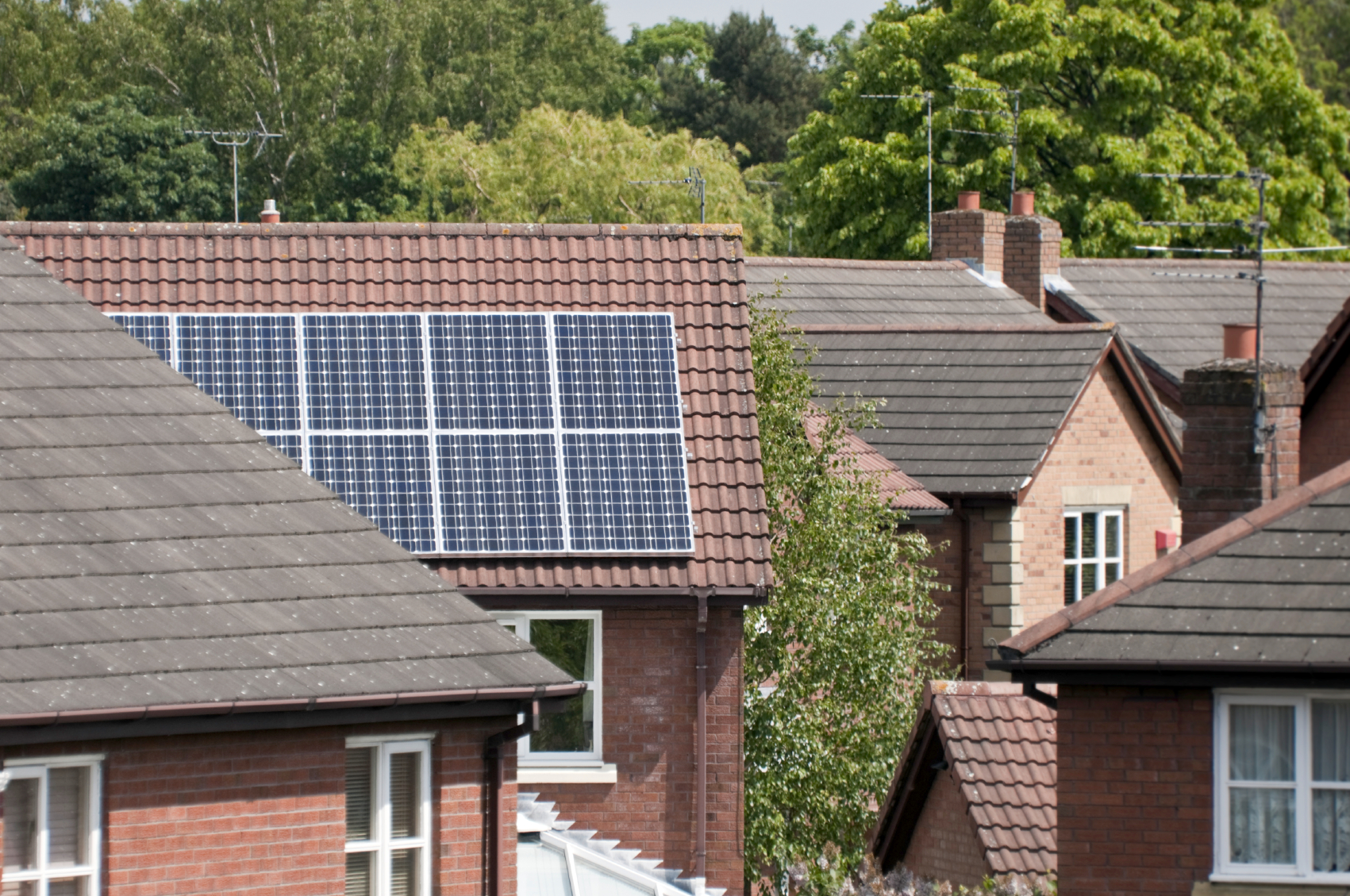
Yes, a heat pump can work with the electricity supplied by a home’s solar photovoltaic (PV) panels. Unfortunately, the supply and demand of the two technologies are not ideally matched. In winter, when you want to heat your home with your heat pump, your solar PV won’t be generating as much electricity as in the summer.
That said, solar panels will provide electricity for the heat pump to produce hot water from spring to autumn, and some heating on cold, sunny days. The contribution will depend on the size of the PV system and the heat pump.
There’s a device called a solar PV-diverter which takes any extra solar panel electricity that’s not being used in the home and uses it to heat the water in your cylinder. This maximises the usage of your PV and reduces the amount that a heat pump is used for hot water when the PV isn’t generating, increasing its overall efficiency. However, careful consideration needs to be given to how the two systems are installed and controlled (and how a PV-diverter might affect your Smart Export Guarantee payments).
How big does my heat pump need to be?
Your heat pump installer will work this out for you.
Gas and oil boilers work at a higher temperature than heat pumps and, generally speaking, gas and oil boiler installers have not spent a lot of time calculating your exact heating needs. A heat pump and its emitters need to be sized much more accurately, or the system won’t work efficiently.
If your heat pump is too big, you’ll pay more than you need to and it might not work as efficiently as it could. If it is too small, it won’t provide enough heat to keep you warm.
This means you need a competent person to do a room-by-room heat loss calculation survey (which costs around £300). This will give you an idea of running costs before you commit to installing a heat pump. These surveys are based on assumptions around the thermal performance of building materials; newer surveys are available that measure the actual heat loss of a building, which could lead to more accurate heat pump sizing.
What are high temperature heat pumps?
High temperature heat pumps use a different refrigerant to produce heat at higher temperatures. Installing one of these might mean you don’t need to change your radiators or improve your insulation. They are seen as more of a direct replacement for fossil fuel boilers.
However, higher temperatures require more energy, meaning bills might be up to 25% higher than with a regular heat pump. They are also more expensive to buy.
But, in some homes, it’s not possible to improve your insulation or fit large enough radiators to keep flow temperatures down. In these cases, a high temperature heat pump can still offer significant carbon savings over fossil fuel heating. But you’re less likely to save on your bills, especially compared to mains gas, unless electricity prices fall relative to fossil fuels.
I live in a small flat. Can I get a heat pump?
Air-to-air heat pumps are most suitable for small flats. They cost around £4,000 to £6,000 to install, depending on size, which is much cheaper than an air-to-water heat pump. Rather than heating via radiators, they blow warm air into the home. They usually can’t heat your water, so if you have one installed, you’ll likely need a separate system, such as an immersion heater or a heat battery.
What are hybrid heat pumps?
Hybrid heat pumps combine two technologies, a heat pump and a boiler. They are designed to address the issues associated with installing a heat pump in large and poorly insulated homes. The system itself decides which heating technology to use. For example, most of the time it would use the cheaper heat pump, but on a very cold day when the heat pump would struggle, it chooses the boiler.
This might be a good option in a large heritage property that’s hard to insulate. But you are effectively buying two heating systems so it’s likely to cost a great deal more. Hybrid heat pumps are not included in the Boiler Upgrade Scheme.
Do air source heat pumps make a lot of noise?
This is a common concern. The noise level of an air source heat pump will largely depend on how hard it needs to work, as well as its make, size and manner of its installation. Strict noise limits are a key factor in their production and installation, and manufacturers are always working on reducing noise levels.
The rated noise level is measured at one meter from the heat pump and reduces significantly as you move away from it. They typically reach 40 to 60 decibels, which is the equivalent of a quiet library or a washing machine (and quieter than a vacuum or traffic).
It is also worth noting that heat pumps are mainly active during winter when people are not spending much time outside. Their operation for hot water during the summer can be time controlled.
Do air source heat pumps stop working when it’s really cold outside?
No, they don’t. Air source heat pumps are designed to work in temperatures as low as minus 25°C. In fact, heat pumps are common in many countries that are significantly colder than the UK, such as Norway and Finland. See more information in this article from Nesta.
Of course, they have to work much harder when it’s cold, but the same is true of all heating systems. They should still be twice as efficient as a gas boiler or direct electric heating when the temperature falls below zero.
Air source heat pumps might begin to freeze in very cold weather, but they have a defrost mode which prevents this from spreading throughout the system. And they are normally placed a few inches above the ground and above all but the heaviest falls of snow.
When installing, it’s important to ensure there is a run-off drain. This is so the condensate doesn’t pool and freeze in very cold weather, creating a hazard around the heat pump.
Will the electricity grid be able to cope with all these new heat pumps?
As more homes switch to heat pumps, and electric vehicles (EVs) replace petrol, there will be a huge increase in electricity demand.
Will the electricity grid be able to cope? In the short term, yes. Problems with grid connection are not widespread. In a few local areas heat pumps and EV chargers are not being connected to the grid due to capacity reasons, but these are the exception.
Meeting future demand, however, will be a serious challenge. Investment is critical. The government estimates the grid’s spare capacity – currently around 50% – will be used up by rising demand over the next ten years or so unless significant upgrades are made.
The companies that manage the electricity network, known as distribution network operators, are confident that the grid will be ready. They say that preparation for this has been central to their business plans for a long time.
Demand flexibility is key
While the networks are preparing, there needs to be a sustained strategic approach from the government and Ofgem to ensure that the necessary planning and investment takes place.
One of the keys to this is ‘demand flexibility’. This means spreading the demand for power throughout the day, for example, so that not everyone is charging their car at the same time. The government estimates this could reduce costs by up to £10bn a year by reducing the need for electricity generation and for upgrades to network infrastructure.
What heat pump grants are available to me?
The Boiler Upgrade Scheme is a government grant designed to encourage property owners to install low carbon heating systems.
It offers:
- £7,500 towards an air source heat pump (sometimes called an air-to-water heat pump).
- £7,500 towards a ground source heat pump (including water source heat pumps and those on shared ground loops).
- £5,000 towards a biomass boiler.
- £2,500 towards an air-to-air heat pump.
The government is encouraging heat pumps because large-scale take up will make a significant contribution to the UK’s net zero commitment. Around three-quarters of household emissions associated with our energy use come from heating and hot water. If we move away from gas and oil and switch to electricity generated from renewable technologies like solar and wind, we’ll make huge reductions in our carbon emissions.
We will also be reducing the amount of gas we have to import from abroad. This will save money and reduce dependency on other countries.
More information
The Heat Pump Association can provide further technical information about heat pumps.
The Energy Saving Trust have lots of information on heat pumps aimed at householders.
If you want to install a heat pump, the Microgeneration Certification Scheme have a list of approved installers.
Heat Geek have a network of approved installers who have completed advanced in-depth training.
Explore your smart energy options
Find what options are most suitable for your home with the free Energy Choices Tool.
If you’d prefer to speak with someone, call one of our energy advisors on 0800 082 2234
-
News
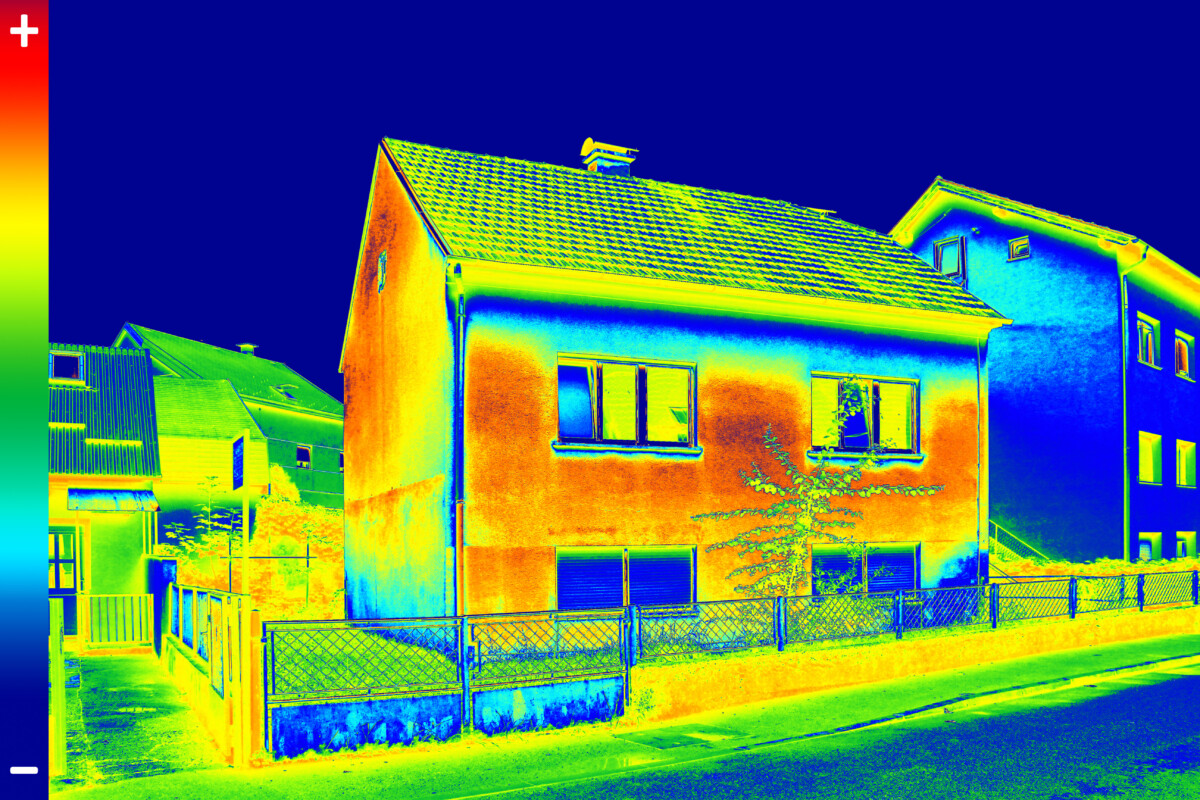
Why measuring home heat loss is important before choosing a heat pump
Measuring your home heat loss will help you understand if a heat pump can work in your home. A home heat loss survey will also give you useful informa …
Renewables Energy advice Insulation & heating -
News

Is a heat pump suitable for a listed building?
Thinking of getting a heat pump? Don’t judge a building solely by its EPC rating, says CSE’s Steve Cole. Instead, consider a heat loss survey.
Renewables Insulation & heating -
News
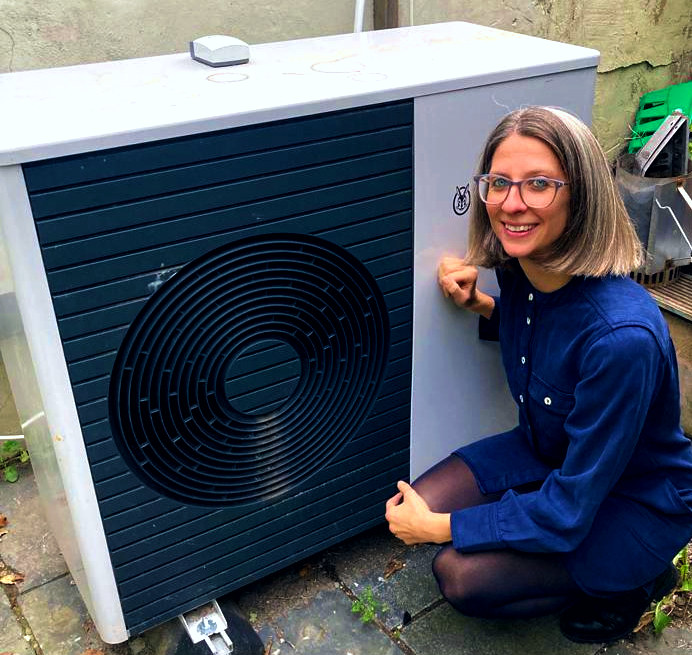
My heat pump and me
Rachel, coordinator for Bristol Energy Network, shares her experience of having a heat pump installed in her home.
Renewables Insulation & heating -
Advice

Low-carbon retrofitting
Our whole-house guide to retrofitting your home to make it warmer and more energy efficient.
Keeping your home warm An energy efficient home