Battery storage
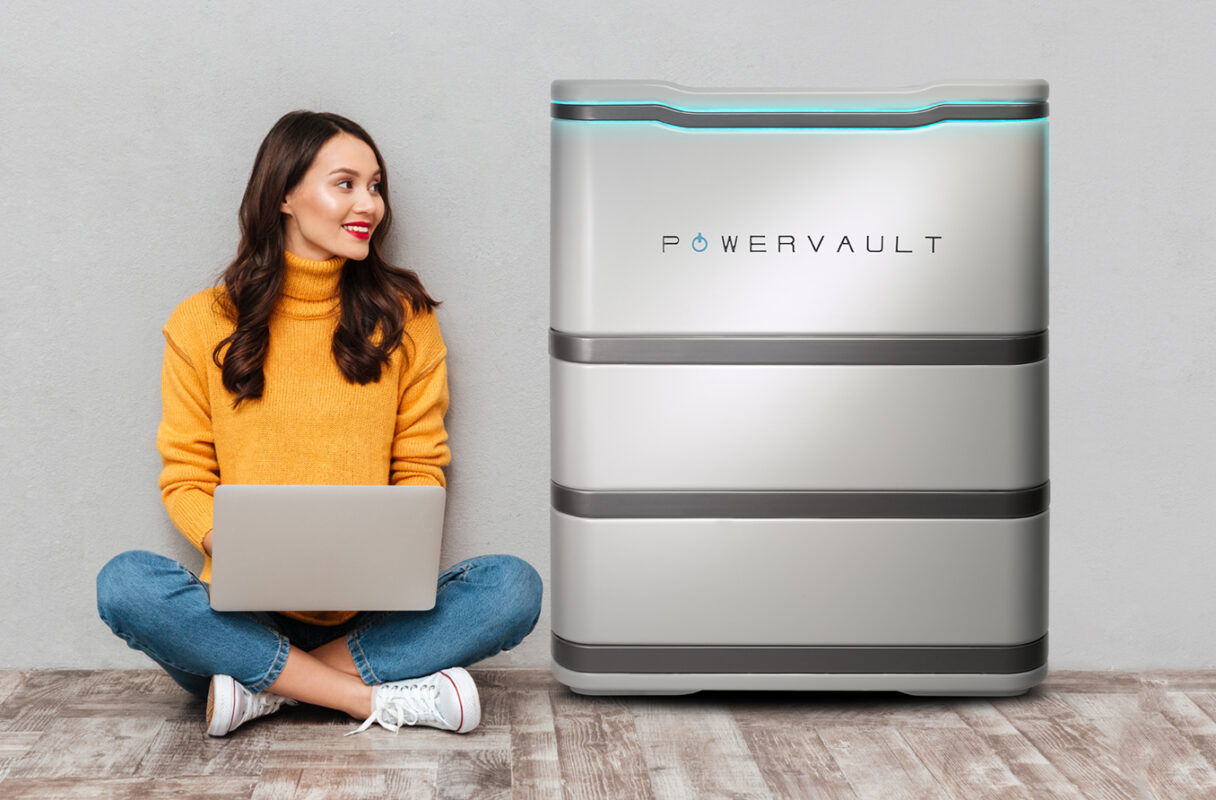
Domestic battery storage is a rapidly evolving technology which allows households to store electricity for later use.
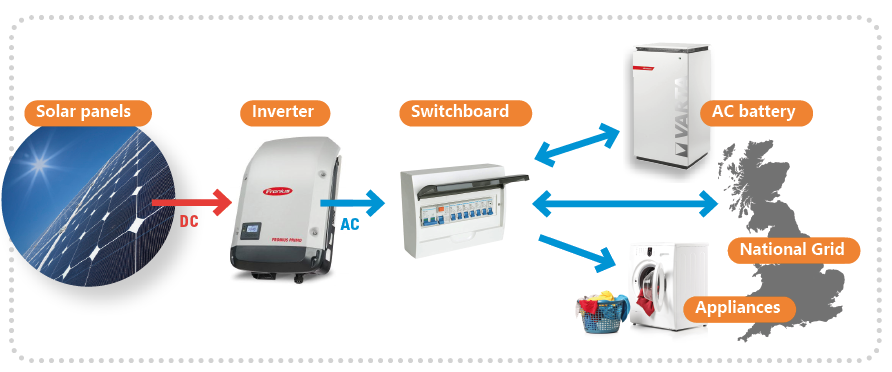
Domestic batteries are typically used alongside solar photovoltaic (PV) panels. But they can also be used to store cheap, off-peak electricity from the grid, which can then be used during peak hours (typically 4pm to 8pm).
Solar PV and batteries
If you have solar PV you can generate plenty of electricity when the sun is shining. But on overcast days you’ll make less, and you’ll make none at all at night. This generally doesn’t match up with when you want to use electricity: it’s usually at night when you want the lights on and to use appliances like a dishwasher or TV.
The electricity you generate but don’t use is typically exported into the national grid and used elsewhere – it’s not wasted. You can get paid for this (see Smart Export Guarantee payments and export tariffs below), but the payment is lower than the price you pay for electricity, so it’s better financially to use as much solar panel electricity in your home as possible.
This is where battery storage comes in. If you can store the electricity generated during the day, you can use it later in the evening and the following day, reducing the amount of electricity you purchase from the grid. There are other ways to use more of your solar generation, without the need to buy a domestic battery. See Getting the best from your solar PV panels for more information.

Explore your smart energy options
Using our free Energy Choices Tool, you can see what smart energy options are most suitable for your home.
Prefer to speak with someone about your options? Call one of our energy advisors for free 0800 082 2234.
Batteries, time-of-use tariffs and heat pumps
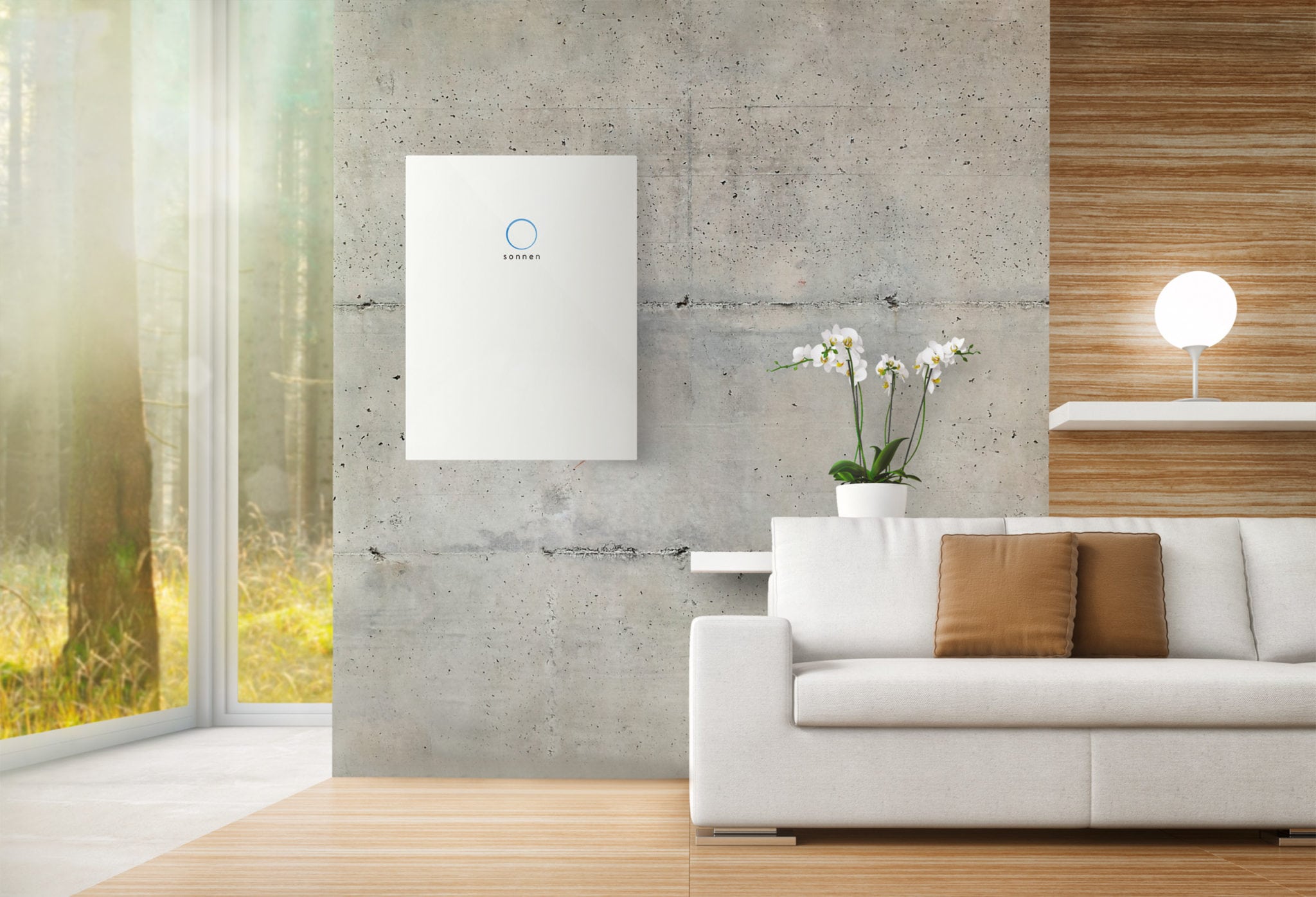
Some batteries can now import and export electricity directly from the grid and you could install a domestic battery without having any renewable generation. With a time-of-use tariff (TOUT) your battery can store cheaper electricity during off-peak hours (typically at night) to be used when electricity is more expensive.
Some batteries can track the price and only charge when electricity is at its cheapest. Storing energy in this way could enable you to pay lower prices for a large quantity of your electricity consumption. This could work particularly well if you have a heat pump or other electric heating as some of your heating costs could be met with cheap rate electricity.
On a national scale, as more renewable electricity is generated, the generation will eventually exceed demand during off-peak periods and will need to be stored for use when demand is high. Domestic battery storage can play its part in this.
Smart Export Guarantee payments and export tariffs
The Smart Export Guarantee (SEG) is a government policy that was introduced in 2020 to replace the feed-in tariff and ensure that households can be paid for renewable electricity they export to the grid.
Some suppliers now offer export tariffs which are separate to SEG tariffs, although often they are listed as SEGs on comparison websites. These might have higher rates than SEG tariffs, but often come with a contract with the supplier for an import tariff so it’s important to understand the detail of what you’re signing up to.
These payments are most commonly associated with solar PV; however, more recently households can be paid for renewable energy that is stored in and then exported from certain domestic batteries, though not all have this capability and the installation must be Microgeneration Certification Scheme (MCS) certified.
Energy suppliers set their own SEG or export rates, with the average around 12p/kWh, but it can be as high as 30p/kWh on certain time-of-use import/export tariffs at certain times.
Financial savings
While a battery might help save on electricity costs, the cost to buy and install them remains high, with payback periods in the region of 8 to 12 years, which is similar to their reported lifespan. The payback period will depend on a number of factors:
- The size of your PV array.
- The size and cost of the battery system.
- The amount of electricity you use in the evenings and mornings that could be supplied by the battery.
- The cost of electricity you buy from your supplier and whether you use a time-of-use tariff.
- Whether you have a heat pump or other electric heating.
- How much you could be paid for exporting the electricity to the grid via the SEG instead of charging a battery.
Calculating simple payback period
A typical household might consume 3,500kWh of electricity per year and a typical solar array might generate 2,800kWh in that time. Of this, the household might use 30% with the rest being exported to the grid. With a 6kWh battery the household might now be able to use 70% of the solar generated energy – more than twice as much.
The table below shows how the numbers might stack up:
| 3.5kW Solar PV | 3.5kW Solar PV + 6kWh battery | |
| Solar generation used | 30% | 70% |
| Solar generation used | 840kWh | 1,960kWh |
| Grid electricity saving (24p/kWh) | £202 | £470 |
| Solar generation exported | 1,960kWh | 840kWh |
| SEG payment (12p/kWh) | £235 | £101 |
| Total saving/income | £437 | £571 |
| Capital cost of battery | £4,000 | |
| Additional saving from battery | £134 (£571 minus £437) | |
| Simple payback | 29 years |
In this example, the key variables are the capital cost of the battery, the unit cost of grid electricity and the SEG payment. With a SEG payment of 12p/kWh, the payback period is 17 years, longer than a typical battery’s lifespan of 8 to 12 years.
On the other hand, capital costs are likely to keep falling which will decrease the payback period. An increase in grid electricity costs will also reduce the payback period.
This demonstrates the complexities and dynamic nature of calculating whether a battery is a good investment.
It gets more complicated if we consider time-of-use tariffs.
If we take the typical 3,500kWh annual household electricity usage and divide equally across the year, it uses 9.6kWh per day. Assuming a battery has enough capacity to supply this and is ‘charged’ at a cheaper rate of 12p/kWh, the annual cost of electricity would be £420 (assuming there is no solar PV installed).
A standard tariff of 26.32p/kWh would cost £914 per year, giving an annual saving of £494. If the battery costs £4,600 then the payback period is 9 years. Installing solar PV in this scenario would further reduce the payback period.
Back-up power
Not all batteries can deliver electricity during a power cut. Buying this capability could cost more than a basic battery system.
Electric vehicles
An electric vehicle (EV) is essentially a big battery you can drive. Smart chargers allow the EV to prioritise solar electricity or cheaper rates with a time-of-use tariff. Some tariffs enable you to export electricity from your EV to the grid and get free electricity for doing so, or you might be able to power your home from your EV (your EV and EV charger will need to be bi directional charging compatible).
If reducing emissions is your priority and you’re choosing between an EV or a battery, switching your car from petrol or diesel to an EV will save more emissions than installing a domestic battery.
Solar battery sustainability
Using a domestic battery to store solar energy for later use has the potential to save you money but it is not likely to have a clear beneficial impact on the environment at the moment.
There are greenhouse gas emissions associated with the lifecycle of a domestic battery. These are called ‘embodied emissions’ and are released during the mining of the raw materials, manufacturing, transport and disposal of the battery. The battery system would therefore have to reduce overall emissions by more than the embodied emissions to result in a net reduction of greenhouse gas emissions.
As well as the embodied emissions, there are a host of ecological and social impacts associated with domestic batteries which are difficult to quantify and compare. These are primarily the result of mining and disposing of the primary materials, principally lithium (the most common material used for domestic batteries), but also cobalt and nickel. In response, manufacturers are looking to develop more sustainable materials and processes.
With this in mind, some people might decide against installing a battery. So long as the local grid has enough capacity to transport your excess solar generation to another household that needs it, then that renewable energy is not lost.
On a national scale we do not yet produce more renewable electricity than we can use, though this is likely to happen in the future. When it does, domestic battery storage can play a part in storing this and reducing the need for fossil fuel generation at other times, therefore reducing overall emissions.
So, should I get one?
As we’ve seen, a number of variables will deterimine whether a battery is a good investment.
The financial and environmental case for domestic batteries might not work for everyone at the moment, but both are likely to improve over time. If your primary motivation is to reduce your emissions, a better focus would be on reducing your heating demand, installing a heat pump or buying an EV. You could also look at a solar diverter as a lower impact way of using excess electricity from your solar panels.
What to look for …
Some pointers on what to look for when buying a battery.
Capacity
This is how much electricity the battery can store in kilowatt hours. An analysis of your electricity consumption is required to work out the optimum size. Your installer should work with you to do this.
Number of ‘cycles’
One cycle is a full charge and full discharge of the battery, but this rarely happens. Batteries usually partially charge, so a 50% charge and discharge is half a cycle. If you know the number of warrantied cycles (that is, the number of cycles you are guaranteed to get) you can work out how many kWh the battery will give you over its lifetime, to ensure the payback period will be less than the expected lifespan of the battery.
Charge/discharge rate
This refers to the power input and output in kW. Make sure that you have enough power input to match the maximum output from your PV and enough output to run the appliances you want to use.
Back-up power capability
Battery storage systems that can provide back-up power during grid outages may be particularly beneficial for households that rely on electrically powered medical equipment to support health conditions.
Price per kWh of storage capacity
There are various batteries available on the market, and at varying prices. If you are trying to decide between similar batteries, then the price/kWh of storage capacity is a useful way to compare different systems.
AC or DC coupling
Solar PV needs an inverter to convert the electricity it generates into the type that can be used in your home. A battery requires an inverter too. A system using DC coupling has a single combined inverter, while AC coupling requires separate inverters for battery and panels, which has implications for the system’s function and efficiency. In general, AC-coupled batteries are probably better if you already have PV as they are easier to retrofit.
DC might be a better option if you install PV and a battery at the same time, as they can be fully integrated. This is typically more efficient and tends to be cheaper, though such a system might not be able to charge from the grid.
A reputable installer
Make sure your installer is certified by the Microgeneration Certification Scheme (MCS).
Explore your smart energy options
Using our free Energy Choices Tool, you can see what smart energy options are most suitable for your home.
Prefer to speak with someone about your options? Call one of our energy advisors for free 0800 082 2234.
-
Advice
Solar PV
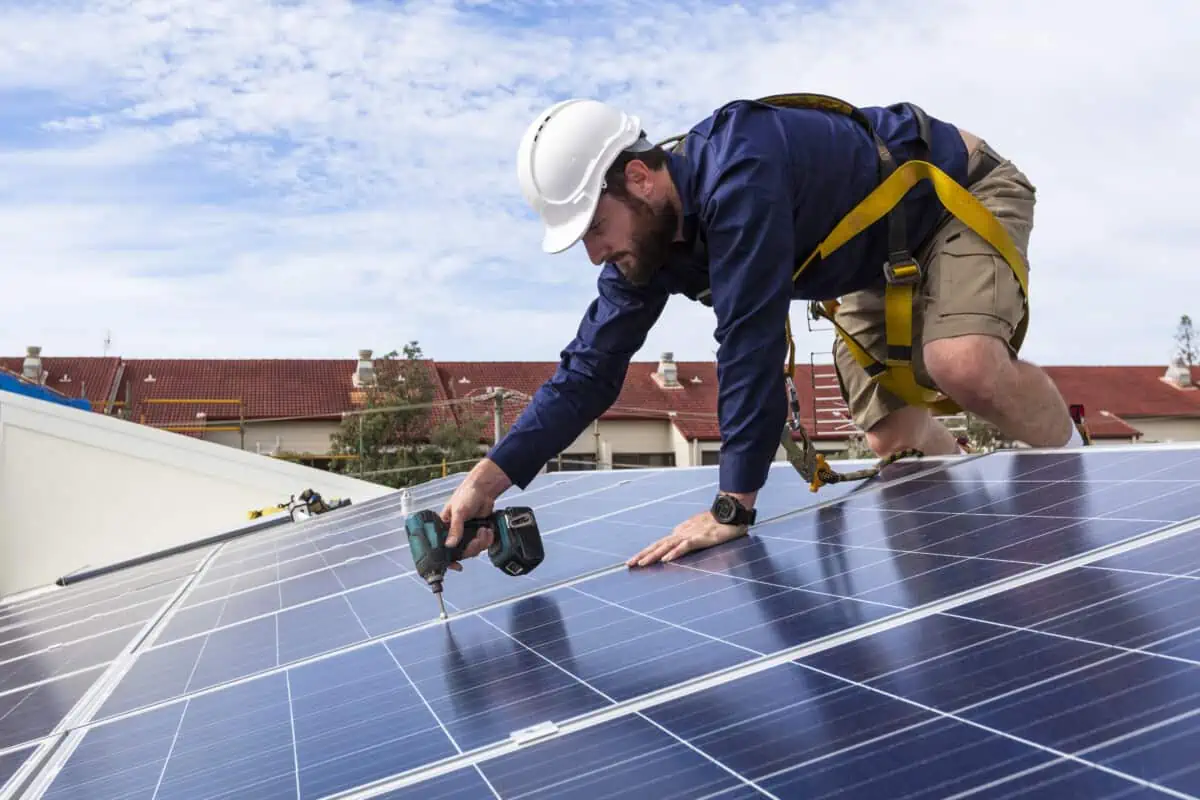
How solar PV works, the costs, the installation process and the grants available.
Renewable energy An energy efficient home -
Advice
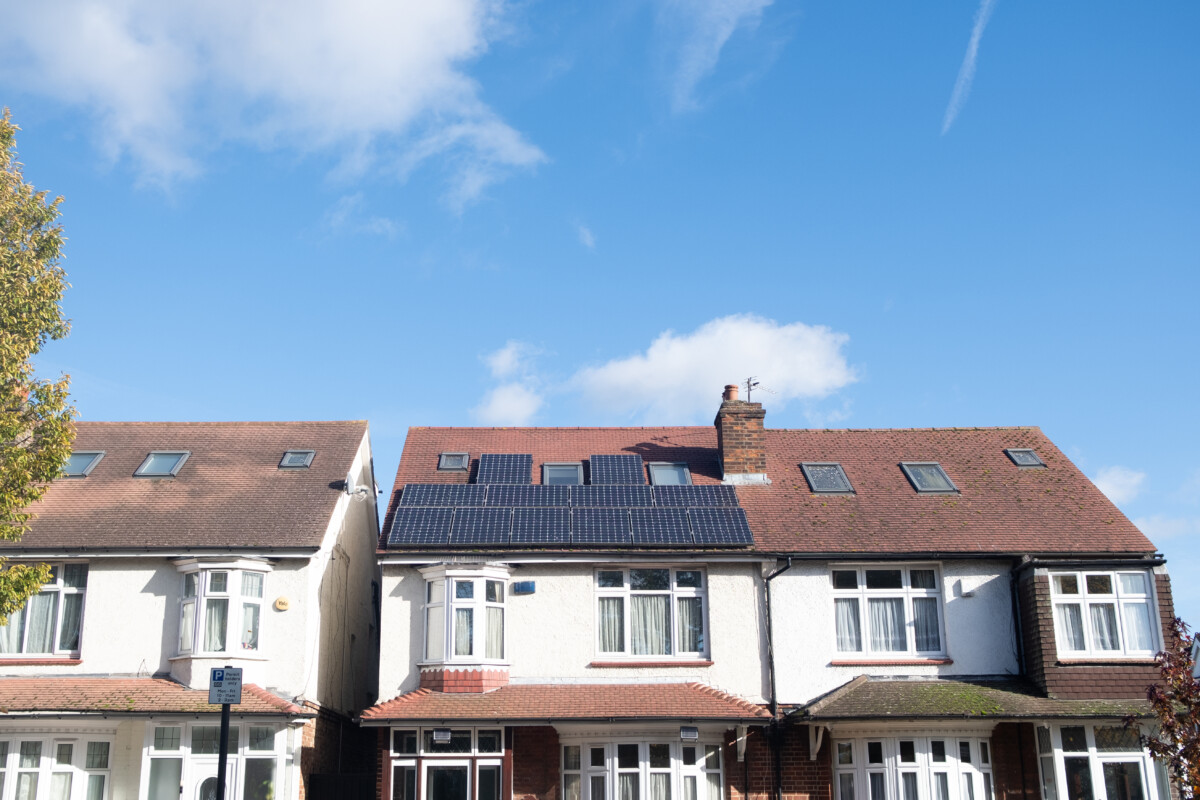
Making the most of your solar pv panels
Maximise the benefit of your solar panels by thinking differently about how and when you consume electricity.
Saving money Renewable energy An energy efficient home -
Advice
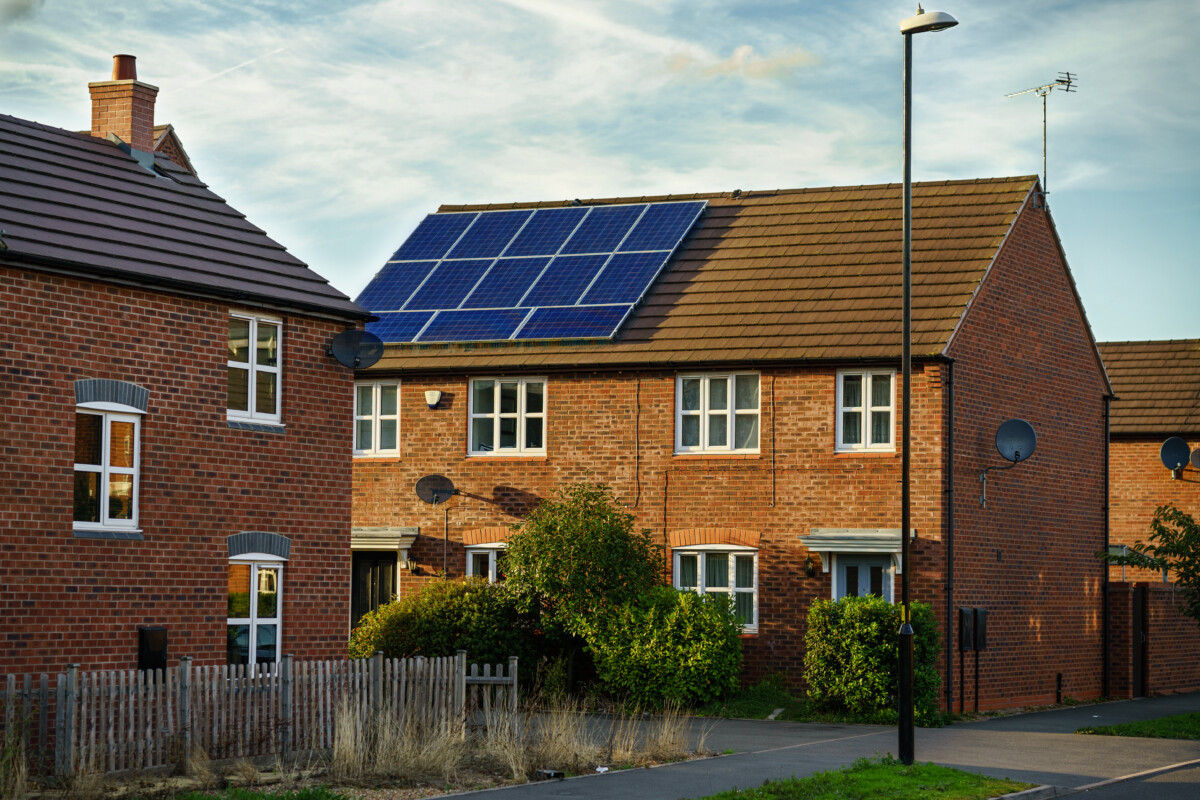
How to apply for the Smart Export Guarantee
If you have solar PV panels installed, you could receive payments for any electricity you export to the grid.
Saving money Renewable energy -
Advice
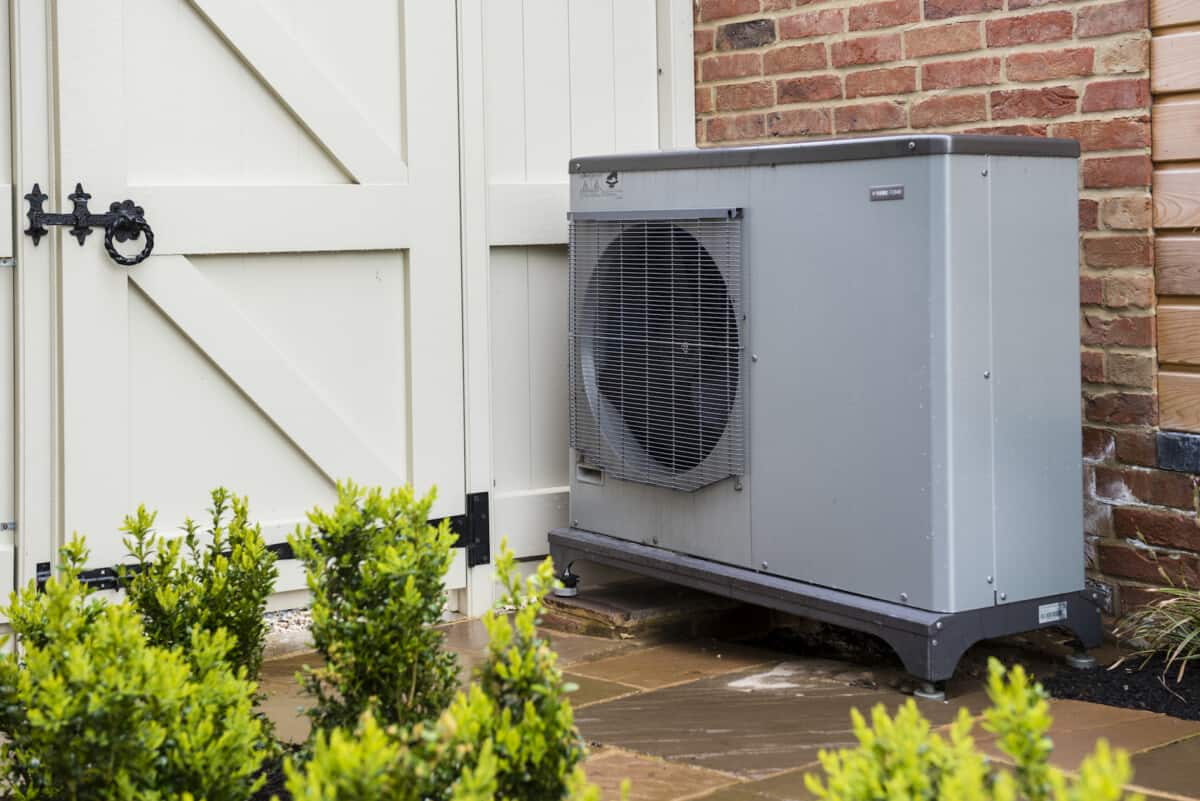
Heat pumps
What are heat pumps? How do they work? And could you heat your home with one?
Renewable energy Keeping your home warm