Electric heating
Thinking about electric heating for your home? You’re not alone.
Many of us are facing changes to how we heat our homes as the UK switches from gas and oil to electric heating in the coming years.
This guide will help you understand your options. It’s a long leaflet, so use the table of contents to find the parts you want.
Why switch to electric heating?
Around 90% of UK homes currently use gas or oil for heating. To meet climate targets, nearly all of this will need to change to electric heating over the next 10 to 15 years.
The benefits of electric heating:
- A lower carbon footprint: Switching from gas to a heat pump could cut your heating emissions by up to 70%.
- Future-proofing your home. You’ll be getting ahead of changes that are coming anyway.
- Grants are available now. The Boiler Upgrade Scheme offers grants of up to £7,500 to help with installation costs.
- Running costs are improving. As the electricity grid gets greener and more renewable, electric heating becomes more cost-effective.
The UK now generates around half of its electricity from renewable sources, and the government has committed to making all electricity zero carbon by 2050.
What types of electric heating are available?
There are many types of electric heating to choose from. The best option for you depends on your home type, how well insulated it is, and how you use your heating.
In the overview below we divide them into six types. Click on the link to jump straight to the heating type you are interested in:
Heat pumps
Underfloor heating
Room heaters
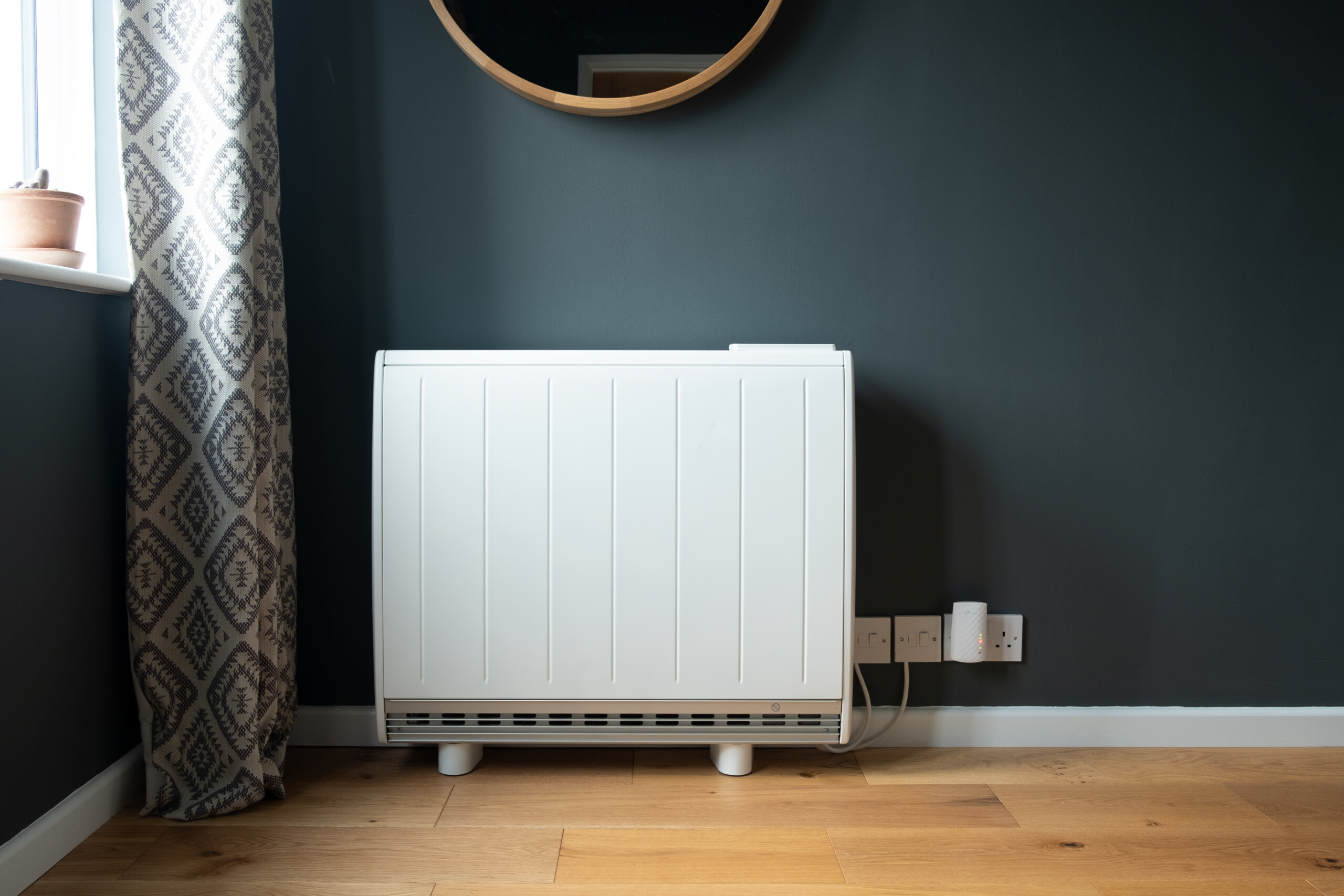
Night storage heaters
Electric boilers
Heat batteries.
Quick guide: ‘instant’ vs ‘storage’ heaters
But first, it’s worth bearing in mind that different heaters work in different ways. Some produce ‘instant heat’ while others produce ‘stored heat’, and others are a combination of both.
Instant heat
Heaters that provide ‘instant’ heat include panel heaters. These warm the room as soon as you turn them on and so are good for providing heat when you need it. The downsides are that heat disappears quickly when turned off, and they can’t make use of cheaper night-rate electricity.
Stored heat
Heaters that provide ‘stored’ heat include night storage heaters, storage boilers and heat batteries. Once warm, heat is released slowly over a longer period even after the heater is off. These charge up with heat (usually at night when electricity is cheaper), and are good for reducing running costs. The downside is that they take time to warm up; you won’t feel the warmth immediately so you need to plan ahead.
Combination
Heaters that provide a combination of both ‘instant’ and ‘stored’ heat include heat pumps and underfloor heating in concrete. These have some heat storage buit in, but are more responsive than the storage heaters referred to above so will warm the room quicker. They are good for a balance of cost and flexibility.
Heating types
Heat pumps
Heat pumps extract warmth from the air or ground outside, concentrate it, and transfer it to air or water that circulates through your heating system. A well-designed and installed heat pump typically provides 3 to 4 units of heat for every unit of electricity used, making them the most efficient form of electric heating.
There are two main types:
- Air-to-water heat pumps look like a large air conditioning unit placed outside your home and connect to radiators or underfloor heating. They can work with your existing central heating system.
- Air-to-air heat pumps also sit outside but blow warm air directly into rooms, rather than heating water. These can work in flats and homes without space for a full central heating system.
Air-to-air heat pumps can provide cooling as well – very useful in a heatwave.
A third type, ground source heat pumps, need pipes dug into the ground and are most suitable for homes with very large gardens or land.
Best for
Heat pumps work well in most home types, but work best in buildings with reasonable insulation. Air-to-water heat pumps work well with existing central heating. Air-to-air heat pumps are suitable for flats or homes without space for an outdoor ground unit.
What do they cost to install and run?
Air-to-water heat pumps cost around £11,000 to install, but the Boiler Upgrade Scheme provides a grant of £7,500. Air-to-air heat pumps are eligible for a £2,500 grant. Heat pumps cost around £800 to £1,050 a year to run making them one of the cheapest electric heating options (see table below).
Key thing to know
Radiators served by heat pumps don’t get as hot as radiators served by gas boilers. So if your home is draughty or poorly insulated, you may need larger radiators or underfloor heating to feel comfortable. The better insulated your home, the more efficient – and cheaper to run – your heat pump will be. You can read more about heat pumps on our dedicated advice page.
Underfloor heating
Underfloor heating distributes heat under the floor, with individual room controls. There are two types:
- Dry (electric) systems use electric heating wires under the floor.
- Wet systems circulate hot water through pipes, usually connected to a boiler or heat pump.
Best for
Dry electric systems are usually only installed in one or two rooms that aren’t used for long periods, such as kitchens and bathrooms. Wet systems work well for whole-home heating over long periods, particularly when embedded in concrete which acts as a heat store.
What do they cost to install and run?
The installation cost of underfloor heating varies widely depending on system type and floor area. The running costs for dry electric systems are expensive to run because they can’t store heat in the same way as a wet embedded system. Wet systems can be cost-effective. In general, underfloor heating is cheaper with a single-rate tariff.
Key thing to know
Underfloor heating takes time to warm up, especially wet systems embedded in concrete. Once warm, the heat lasts a long time after the system is turned off. This makes it best suited to people who are home during the day and want background warmth over longer periods rather than quick bursts of heat. It’s also worth knowing that dry electric underfloor heating can be laid on top of an existing floor rather than embedded into it – but if installed this way, it behaves more like an instant room heater and loses the heat-storing benefit, with correspondingly higher running costs.
You can read more about underfloor heating on our dedicated advice page.
Room heaters
Room heaters cover a range of wall-mounted or portable electric heaters. They’re similar to each other in terms of running cost, as they have a similar power rating. However, the warmth and comfort you feel from them will depend on how they heat the room.
Room heaters are flexible – they can be turned on and off easily and used for short or long periods. They’re most cost-effective when they have a built-in thermostat, but even then their running costs are high over time. This makes them expensive as a main heating source for a whole home, except in those that are super insulated. It’s also worth knowing that relying solely on room heaters will affect your Energy Performance Certificate (EPC) rating, as they score poorly due to high running costs.
When used regularly, room heaters are best run on a single-rate electricity tariff – using them on Economy 7 would mean running them during expensive on-peak hours.
All electric room heaters convert electricity directly into heat, so a heater with a higher power rating will use more electricity but won’t necessarily heat your home better than a smaller one used for longer. What matters more is how the heat is transferred into the room, how long the heater is on, and how well controlled it is.
There are three main types of electric room heater: panel heaters, infrared radiant panels and dynamic storage heaters.
Panel heaters
These are thin radiators fixed to the wall, but also available as portable heaters. They heat the air, which then circulates around the room. They’re instant heaters – providing warmth as soon as they’re switched on – but once turned off the room loses heat quickly.
Best for
Panel heaters work best in homes that are insulated to a very high standard, i.e. PassiveHouse standard, or when heating individual rooms for short periods. They are often used as backup heaters in homes with night storage heaters, particularly in bedrooms; if this is you, keep an eye on how long they’re switched on as costs can creep up.
What do they cost to install and run?
Panel heaters cost £100 to £200 each to install. Their running costs are around £1,080 a year for a flat. They are the most expensive option for regular whole-home heating. To keep costs down, limit how long they’re switched on and make sure they have a thermostat.
Key thing to know
Panel heaters are not economical as a permanent main heating source.
Infrared radiant panels
Infrared panels heat people and objects directly rather than warming the air, in the same way as the sun. This means you’ll feel colder if you’re not directly in front of the panel – like sitting in the shade.
Best for
Infrared radiant panels work best in homes where people spend a lot of time sitting in one place rather than moving around, or very draughty homes where warm air would quickly be lost.
What do they cost to install and run?
Infrared panels cost £100 to £200 per heater to install. Their running costs are similar to panel heaters: around £1080 a year for a flat.
Key thing to know
If your home has damp or mould issues, this type of heating is not recommended because it can make the problem worse. The reason is that infrared panels don’t heat the air, and if the air stays cold, moisture will condense more easily on cold surfaces like walls and windows.
Dynamic storage heaters
Dynamic storage heaters are a type of panel heater with a small built-in heat store. They are not to be confused with night storage heaters, although both are sometimes called ‘storage heaters’. Unlike night storage heaters, they don’t charge up overnight on cheap electricity. They provide instant heat on demand, with the small heat store helping to maintain temperature without using electricity constantly.
Best for:
People who want some of the flexibility of instant heat, with slightly lower running costs than standard panel heaters.
What do they cost to install and run?
Dynamic storage heaters cost £400 to £600 per heater to install. Their running costs are around £1,080 per year for a flat. That’s similar to other room heaters, as they cannot take advantage of cheaper night-rate electricity.
Key thing to know
The built-in heat store, combined with a thermostat, means the heater doesn’t run continuously; the stored heat does some of the work. However, running costs are still higher than night storage heaters because they don’t work with Economy 7.
Night storage heaters
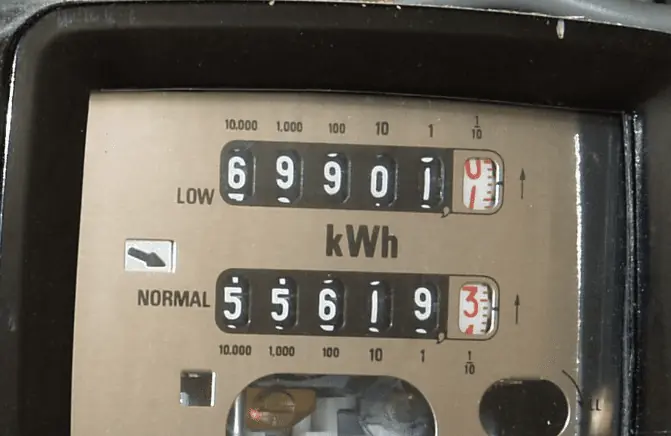
Night storage heaters are wall-mounted units that consume electricity over several hours at night, storing the energy in the form of heat in a bank of clay or ceramic bricks. This heat is released slowly throughout the following day. They should always be used on an Economy 7 tariff to take advantage of cheaper overnight electricity. When controlled correctly, they are one of the cheapest electric heating methods available.
Best for
They work best in small to average sized homes with good insulation and draught-proofing. They are particularly good for people who are home during the day and can plan their heating need ahead of time.
What do they cost to install and run?
Night storage heaters cost £200 to £800 per heater depending on type. Typical running cost is £912 a year for a flat, depending on type of heater. This is significantly cheaper than room heaters when used correctly on Economy 7.
Key thing to know
You need to plan ahead, deciding how much heat you’ll need the following day.
Types of night storage heater
There are three main types of night storage heater, with important differences:
1) Traditional night storage heaters
This is the oldest type, and the one most difficult to operate well. You need to manually set both how much heat to store overnight and when and how much to release during the day. Traditional models often have poor insulation, which means they slowly release heat even when set to ‘nil’ – using up stored heat before you need it. If the stored heat runs out by evening, you may need to use more expensive room heaters to top up.
2) Integrated night storage heaters
A modern improvement that combines the economy of night storage heaters with the flexibility of instant heating. They include a boost function for when stored heat runs out – though be aware this uses more expensive on-peak electricity. Some models include a digital programmer that automatically calculates how much to charge overnight based on the temperature you want, making them much more hands-free to operate. If controlled well – using mainly off-peak electricity rather than relying on the boost – running costs should be lower than the average listed here.
3) High heat retention storage heaters
The most efficient type of night storage heater. They have better insulation to keep heat stored for longer, a thermostat to maintain the target room temperature, and a fan to release heat evenly. They are more expensive to buy but lower to run than traditional or integrated models, making them the most cost-effective long-term choice if night storage heaters are right for your home.
The savings that come with using high heat retention storage heaters assumes that most of the space heating demand is switched to the off-peak tariff.
Electric boilers
Electric boilers heat water using electricity rather than gas, and are designed to work with existing radiators or underfloor heating. There are two types:
- Flow boilers. These heat water on demand as it passes through an electric immersion element – similar in principle to how the immersion heater you may already have in your hot water tank works.
- Storage boilers. These store heat in a water tank or ceramic bricks surrounded by water pipes, to be released when the heating is turned on.
Best for:
Electric boilers are suitable for residents who want to keep their existing central heating system and radiators but move away from gas. Particularly useful where a heat pump isn’t suitable.
What do they cost to install and run?
Electric boilers cost: £3,000 to £6,000 to install. Flow boilers cost around £3,220 a year on a single-rate tariff for an average home. Storage boilers around £2,689 per year on Economy 7 for an average home. Both can be expensive to run; more expensive than heat pumps.
Key thing to know
Flow boilers use electricity the moment it’s needed, making them extremely costly to run if not carefully controlled. They are likely to be slightly cheaper on a single-rate tariff than Economy 7, as they’ll be running during on-peak hours anyway. Storage boilers can take advantage of cheaper off-peak electricity but must be correctly sized to your home and heat demand, and the system must be well insulated, otherwise they may struggle to heat your house adequately.
Heat batteries
Heat batteries are similar in size to a regular boiler, but with a ceramic thermal core that can store large amounts of heat. They are very well insulated, keeping heat stored for longer periods. Heat batteries connect to an existing wet central heating system via a heat exchanger and run at 55 to 60°C meaning they don’t usually require the radiator upgrades that heat pumps often need.
Best for
Heat batteries are most suitable for smaller homes that don’t have space for an outdoor heat pump unit. They have a maximum output of around 12,000 kWh a year – similar to the average UK home’s heating demand – so they’re not suitable for larger homes or those with high energy consumption. The unit itself is very heavy, so may not be suitable for all floor types.
What do they cost to install and run?
The installation cost of heat batteries varies, but they are eligible for a £2,500 grant through the Boiler Upgrade Scheme. Lower running costs are achieved by using an off-peak electricity tariff to charge the battery. A typical cost is around £1,770 a year for an average home on Economy 7 or an off-peak tariff .
Key thing to know
Heat batteries are a newer technology and a good option for homes where a heat pump won’t work, particularly smaller properties without outdoor space. The cost savings depend entirely on using an off-peak tariff, so make sure this is in place before installation.
Which electric heating system is best for my home?
Choosing the right electric heating depends on your home type, how well insulated it is, and how you use your heating.
Quick checklist – what to consider before choosing:
- How well insulated is your home?
- Are you home during the day or mainly evenings?
- Do you have outdoor space for a heat pump unit?
- Can you plan your heating a day ahead?
- What’s your budget for installation?
- Are you eligible for grants?
Comparing costs at a glance
The table below compares the cost of different electric heating systems. These are approximate costs for heating an average flat or small home; your actual costs will depend on the size of your home and how well insulated it is, what electricity tariff you’re on, how you control your heating, and whether you qualify for grants.
| Heater | Tariff | Annual space heating cost (average) | Cost to install (approx) |
| Heat pump | Single-rate | £800 to £1050 | £6,000 to £18,000 |
| Panel and infrared | Single-rate | £1,080 | £100 to £200 per heater |
| Dynamic storage heater | Single-rate | £1,080 | £400 to £600 per heater |
| Night storage heater (traditional) | Economy 7 | £912 | £200 to £400 per heater |
| Night storage heater (integrated) | Economy 7 | £711 | £600 to £800 per heater |
| Night storage heater (high heat retention) | Economy 7 | £676 | £400 to £800 per heater |
| Electric boiler | Economy 7 | £2,690 | £3,000 to £6,000 |
| Electric boiler | Single-rate | £3,220 | £3,000 to £6,000 |
| Heat battery | Off-peak tariff | £1,774 | * |
* The installation cost of heat batteries varies, but they are eligible for a £2,500 grant through the Boiler Upgrade Scheme.
How did we calculate these costs?
Running costs in the table above are based on the price cap tariff for standard electricity of 27.69p (March 2026) and on Ofgem’s typical domestic consumption values of 11,500 kWh for an average home and 3,900 kWh for a flat. Economy 7 tariffs are assumed to be 34.38p for on-peak and 15.43p for off-peak, with a 58:42 split. Integrated storage heaters have an assumed 85:15 split, and high heat retention storage heaters have an assumed 90:10 split.
In summary: Heat pumps and night storage heaters are cheapest to run when used with the right electricity tariff.
Panel heaters are cheap to buy but expensive to run; they’re only cost-effective when used occasionally.
Grants can significantly reduce installation costs.
Grants and support
The Boiler Upgrade Scheme. This is a government grant that helps with installation costs for low-carbon heating, specifically, £7,500 for an air-to-water heat pump or ground source heat pump, and £2,500 for air-to-air heat pumps and heat batteries. You can apply if you’re replacing fossil fuel heating (gas, oil, LPG) in England or Wales. Your installer will help you apply.
Energy Company Obligation. This offers grants for insulation and heating if you’re on certain benefits or have a low income. Contact your local council to find out if they’re taking part in the scheme, or contact an energy supplier directly.
Local council schemes; some councils offer additional grants or support. Sometimes this is done through Warm Homes: Local Grant that offers free energy-saving home improvements if you’re on a low income, get certain benefits or live in a certain postcode area
If you don’t want to apply for a grant or aren’t eligible for one, there are several things you can do to save money on electric heating.
- Switch to the right tariff. For storage heaters, Economy 7 or Economy 10.
- Improve insulation first. This makes all heating systems cheaper to run.
- Use controls properly. Thermostats and timers can cut costs significantly.
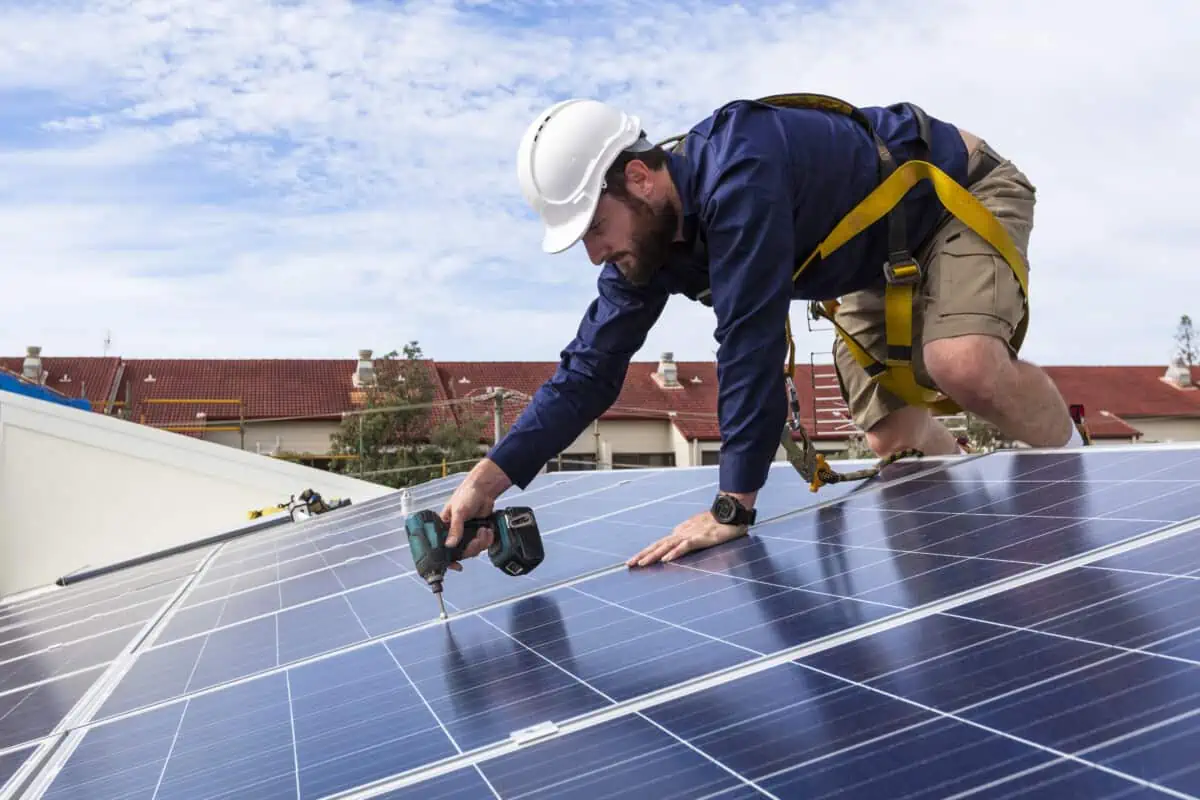
- Consider solar panels. If suitable, they can reduce electricity costs.
Talk to us …
Before making any decisions, you could speak to the Centre for Sustainable Energy’s Home Energy Team. We offer free, impartial advice and can help you work out what’s right for your home, what grants you might be eligible for, and what to do next.
Call us free on 0800 082 2234, or email home.energy@cse.org.uk.
Key things to remember
Electric heating is coming; most UK homes will need to switch in the next 10 to15 years.
Heat pumps are usually the cheapest to run, especially with the right tariff.
Night storage heaters are a cost-effective option if you can plan ahead and use Economy 7.
Panel heaters are flexible but expensive, best for occasional use, not whole-home heating.
Insulation matters; better insulation makes any electric heating cheaper and more effective.
Grants are available now; don’t miss out on support with installation costs.
-
Advice
Solar PV
How solar PV works, the costs, the installation process and the grants available.
Renewable energy An energy efficient home -
Advice
Economy 7
Find out more about the tariff where you pay a different price for your electricity at different times of day.
Your energy supply -
Advice
Underfloor heating
The pros and cons of different types of underfloor heating, plus what they cost to run and install.
Keeping your home warm -
Advice

Room heaters
What type of room heater is best for you? We look at both electric and gas heaters.
Saving money Keeping your home warm