SNUG: energy efficiency meets grid flexibility
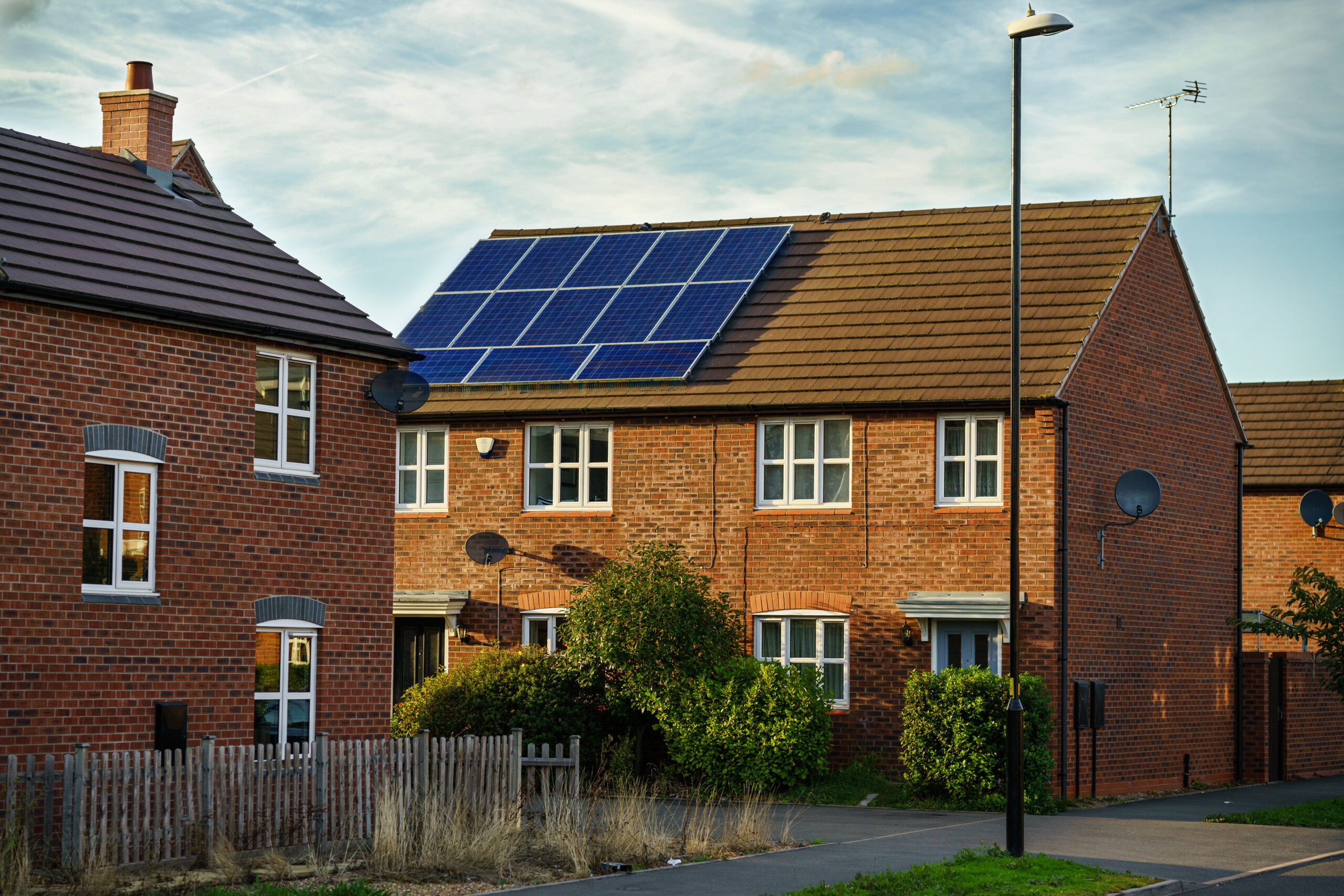
Social housing tenants, who are often among the energy consumers in the most vulnerable circumstances, could benefit from new flexibility markets through this pioneering project that links energy efficiency retrofits to grid flexibility.
SNUG (Smarter Network Upgrades) is a UK Power Networks-led project creating a scalable route for social landlords to participate in energy flexibility markets while retrofitting homes with proven energy efficiency measures. The Centre for Sustainable Energy (CSE) is leading the social landlord engagement and co-design work, ensuring the proposition works in practice for both landlords and tenants.
Social tenants are missing out on flexibility markets and it doesn’t have to be that way
The electricity grid urgently needs flexibility to support the electrification of home heating. Distribution System Operators (DSOs) optimise the use of the network through flexibility services, and distribution network operators are preparing for the heat electrification that’s coming. But awareness and uptake of energy efficiency flexibility remain low and the people with the most to gain are being left out.
Social tenants are typically locked out of flexibility services entirely. Existing processes don’t enable effective coordination between social landlords, DSOs and flexibility aggregators. And social landlords themselves vary hugely in their capacity, capability and confidence to get involved meaning that even where the will exists, the route to participation isn’t clear.
Meanwhile, social landlords are already delivering energy efficiency retrofits across their housing stock. SNUG starts from that reality.
From Socially Green to Flex Direct
SNUG is the result of several years of iterative research and engagement, building from a question CSE first started exploring with UK Power Networks in 2023.
The Socially Green project explored how UK Power Networks could continue to support vulnerable customers through the transition to a net zero energy system. A key strand focused on energy efficiency flexibility – specifically, how energy efficiency measures installed by social housing providers could provide flexibility to the grid. The central learning was that effective engagement with social landlords and tenants is essential to making this work. Without it, the model falls apart.
That insight gave rise to the Flex Direct concept: an innovation project designed to help social housing tenants benefit from flexibility markets by enabling social landlords to enter into a direct contract with the DSO – cutting out the complexity of working through flexibility aggregators.
Three phases of development
CSE has been central to this work from the start, leading social landlord engagement and co-design at every stage.
Discovery phase (March to May 2024)
With SIF funding secured, CSE tested the Flex Direct concept with social landlords across the UK Power Networks licence area. The aim was to understand awareness of energy efficiency flexibility and gauge willingness, capacity and ability to participate in direct contractual relationships with the DSO. The findings confirmed both the appetite and the obstacles and shaped how we approached the next phase.
Alpha phase (November 2024 to March 2025)
Working alongside UK Power Networks, Sia Partners, LCP Delta and Utilita, CSE led iterative workshops and interviews with 47 social landlords. This in-depth engagement explored what the Flex Direct journey would look like for landlords in practice – the opportunities, the enabling factors and the sticking points. Three key learnings emerged:
- Evidencing electricity demand reduction would be very difficult for social landlords.
- Direct contracting with the DSO is preferable to working through flexibility service providers.
- Social landlords have limited resources to participate, especially where flexibility payments are relatively modest.
Those findings directly shaped the design of the Beta phase and the project’s evolution into SNUG.
Beta phase (April 2026 to August 2028)
Now renamed SNUG, the Beta phase brings together UK Power Networks, Northern Powergrid, Sia Partners, the University of Strathclyde, PNDC, Norwich City Council, the London Borough of Hammersmith and Fulham, Utilita and E.ON.
Trials in social households across the two local authorities will validate models for flexibility provision, define frameworks and processes for business as usual, and produce resources to support future landlords to participate at scale.
A model designed around what landlords actually need
The learnings from Discovery and Alpha are built into the Beta design from the ground up.
- Demand reduction will be modelled across a range of housing types and retrofit measures, rather than relying on landlords to evidence it themselves.
- Contractual frameworks are being designed specifically for acceptability and scalability across the industry- responding directly to the preference for direct DSO contracts.
- An onboarding toolkit will be co-developed with landlords to minimise the resource burden of participation as much as possible.
The result is a novel commercial model based on energy efficiency retrofits at scale. It makes flexibility markets more accessible and optimises use of the electricity network, without placing unreasonable demands on the landlords and tenants at the centre of it.
Grounded in CSE’s commitment to a fair energy transition
CSE’s Smart and Fair programme has been tracking fairness in the energy transition since 2019, including research that revealed clear evidence of inequality in flexibility markets. Throughout that work, we’ve built a strong track record of co-developing solutions with the people responsible for delivery on the ground whether that’s energy advisers, local authorities or social landlords.
SNUG builds directly on that expertise. With the Warm Homes Plan highlighting the increasing role for distribution networks in supporting local delivery of energy efficiency, this project explores how those partnerships can work in practice and how we can make sure the benefits reach the people who need them most.
Keep an eye on this project
The Beta phase gets under way in April 2026. If you’re a local authority or social housing provider interested in how SNUG could be relevant to your work, watch this space for updates.
Partners: UK Power Networks, Northern Powergrid, Sia Partners, University of Strathclyde, PNDC, Norwich City Council, London Borough of Hammersmith and Fulham, E.ON and Utilita.
Funded by: Ofgem’s Strategic Innovation Fund (SIF).
-
Project
Socially Green qualitative research
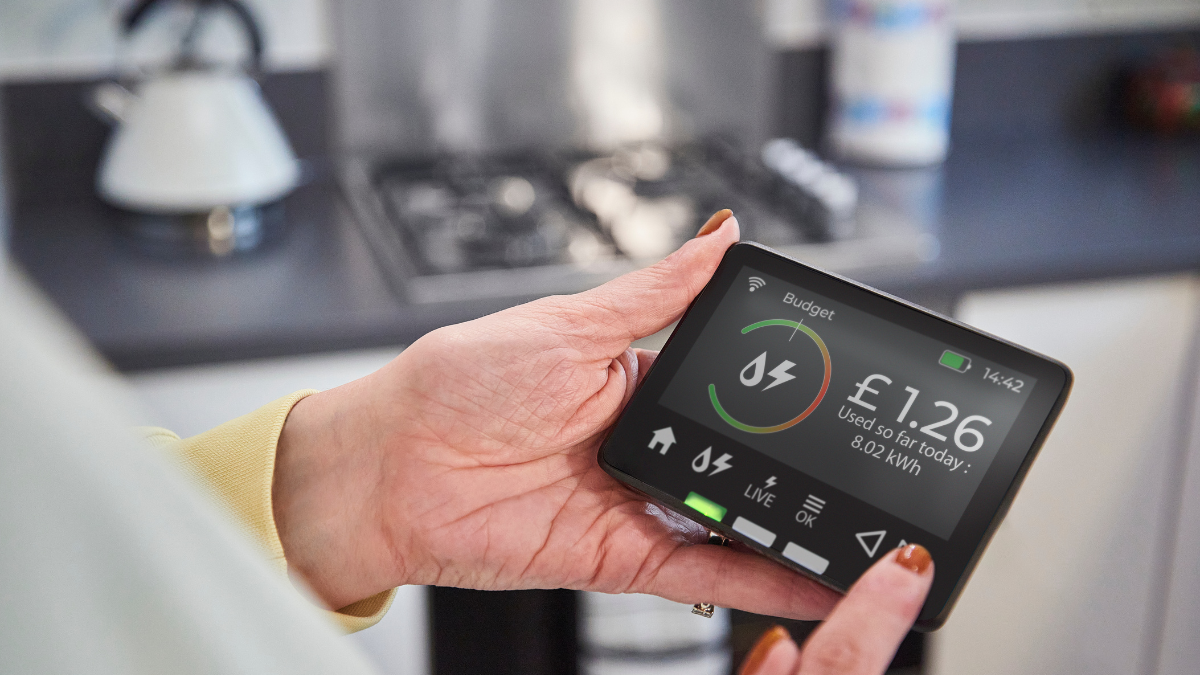
Delivering flexibility services for hard-to-reach or vulnerable domestic energy consumers.
-
Project
Access to Flexibility
CSE conducted detailed research for National Grid into the ability of low-income households to access demand flexibility services.
-
Project
Household and community labour in smart local energy systems
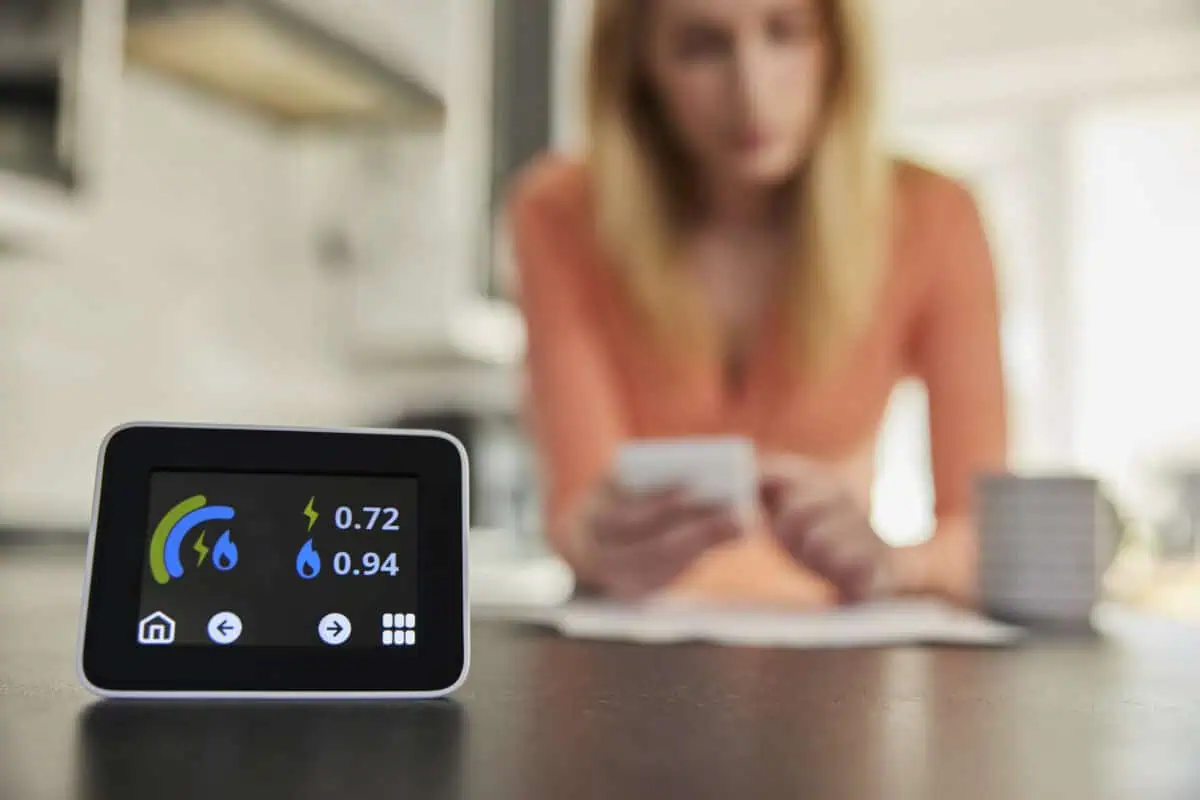
Research examining the crucial but often overlooked role of household and community labour in Smart Local Energy Systems.
-
Project

Household engagement with the Demand Flexibility Service
Research for National Grid ESO evaluating consumer experiences of the Demand Flexibility Service.