Resilience can’t begin in a cold home
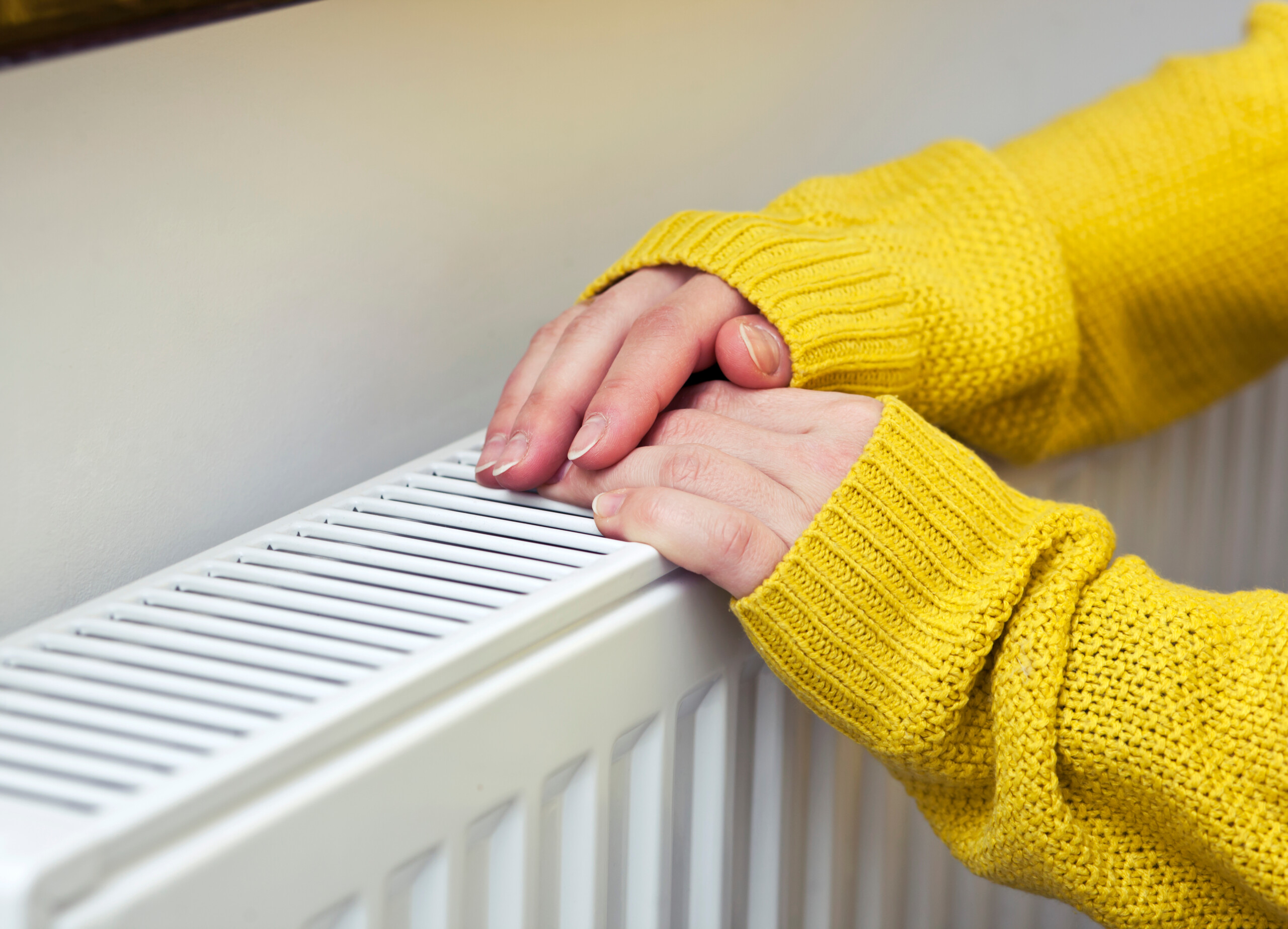
The focus in the Autumn Budget on bringing down energy bills was welcome. But short-term bill support is only a sticking plaster that will, at best, only partially offset further price cap rises from January. And it does little to help those in cold homes with broken heating systems, who can’t afford the repair or replacement costs.
Emergency funding to repair broken heating has almost halved this winter – meaning many of the people we support are having to cope in a home with no heating.
The Budget included an announcement that a further £100 million will be available for local authorities to provide targeted support to households acutely impacted by rising energy bills. Critically, councils have discretion on how to use this funding. We’re asking them to ensure crisis repairs are covered.
When the heating and hot water stop
Rachel lives in Bristol with her husband and two children. A range of health conditions affect the whole family, and the parents can’t work. When their old gas boiler stopped working, it couldn’t be repaired. They couldn’t afford a new one.
Caseworkers at the Centre for Sustainable Energy (CSE) arranged for a new boiler to be installed, thanks to the funding available to us. The family now have hot water and heating ready for winter and beyond.
Mark Franklin, one of our CSE energy caseworkers, says: “When it turns colder, more people need our help because old boilers tend to fail when they’re working hardest. Many of the people we support are on low incomes and can’t afford to fix them. They often also have health conditions that the cold makes worse. Being without heating or hot water during winter is bad enough, but for people with health conditions it can be especially dangerous. For caseworkers like me, it’s incredibly hard to support someone with a broken heating system when there’s no funding to help them stay warm through the winter. People in our communities need to stay warm, safe and well, and funding is what makes that possible.”
How we get broken heating fixed
When someone with broken heating calls our advice line, our caseworkers first try to get grant funding to repair or replace it. That funding is the difference between a warm home within weeks and a whole winter without proper heating or hot water.
When there’s no repair funding, we do what we can. Where we have the money, we give people heaters or heated throws so they can keep one room warm. But they’re expensive to run, they don’t heat the whole home, and they don’t fix the hot water.
Last financial year, at CSE we supported 20,143 households through our energy advice service. For many, advice and support are enough. But for people without heating or hot water and without the means to fix a broken heating system, it’s different, because it takes money.
Around 730 households without heating or hot water contacted us last year. Nearly two in three (about 470) had someone at home for whom the cold is more dangerous due to a health condition. Of the 730, we could pay for about 100 to have their heating repaired or replaced, around one in seven. We supported the rest in other ways.
The money to fix them has almost halved
Last winter, we had £419,000 in grant funding to repair and replace broken heating. This winter, due to changes in council funding priorities around crisis resilience, it’s £220,000. Without National Grid’s Winter Support Fund, which stepped in at the last minute, it would have been £70,000 – less than a fifth of last year’s total.
For everyone else, our caseworkers do everything else they can. We help people claim all the financial support they’re entitled to, and we look at loans and low-cost replacements. Where we can, we find small pots of money for heaters and heated blankets. They keep one room warm, but they don’t fix the heating or the hot water. Much of last year’s money came from the Household Support Fund which has now been replaced by the Crisis and Resilience Fund (CRF). The CRF is government money that councils decide how to spend, with more emphasis on resilience.
Resilience can’t begin in a cold home
The shift towards resilience is welcome. Helping people build lasting security makes sense. But someone without heating or hot water is in crisis, and the money that once got them out of it has largely gone.
The cold is hardest on people whose health it makes worse, on children under five and on older people. It’s also hard on anyone recovering from surgery or treatment.
Without help, the costs can mount up elsewhere. Someone recovering from surgery can end up back in hospital. Families can end up in unsuitable or overcrowded temporary homes. Others borrow money for an expensive replacement, or pay for a quick, expensive repair that leaves the heating unreliable. These costs don’t disappear. They fall on families, hospitals and councils.
None of this is an argument for one need over another. Councils face hard choices, and the other demands on the CRF are real. Our point is that people with broken heating need a place in funding plans.
Rising bills make things harder. The energy price cap went up in October, and a bigger rise is forecast for January. This winter, we are going to see even more people struggling to make ends meet and falling deeper into debt. For many, an unexpected cost like a broken heating system is simply one they can’t absorb. It’s hard to build resilience when every pound is already spoken for.
The people we never hear from
Our figures are only part of the picture. They show what we see – the people who came to us for support. The English Housing Survey 2023-24 estimated that about 246,000 homes in England have heating systems in disrepair.
Not everyone comes forward. Some feel ashamed. Some will use temporary and expensive or unsafe methods to heat their homes or themselves. Others don’t know where to turn. The real picture is much bigger than our caseload.
Local funding has been a lifeline, however small, because the few national programmes are oversubscribed and run out quickly.
Keep heating repairs in next year’s plans
Longer-term, we hope that the Warm Homes Plan will help these households switch to low carbon heat like heat pumps which aren’t susceptible to spikes in fossil fuel prices. But until then, we urgently need funding to help fix and repair people’s broken heating systems.
Councils decide how to spend their CRF. As they plan for next winter, we’re asking them to build money for crisis repairs back in, alongside investment in resilience, so people without heating or hot water aren’t left out. It’s vital for people who are ill, disabled or older, and for families with children, because the cold hurts them first.
-
News

Warm Homes Plan: the gap between promise and reality
Cold homes, long waits, and a missing plan.
Fuel poverty Policy Energy justice -
News

Leanne’s story
After Leanne’s partner passed away, she was living alone and struggling to stay warm in a home with broken heaters.
Fuel poverty Impact stories -
News

Summer fuel poverty: why the new price cap is another blow
If you can’t afford to cool your home, the price cap increase announced this week makes a bad situation worse.
Fuel poverty Policy Energy justice