Resolving issues with smart meters and in-home displays
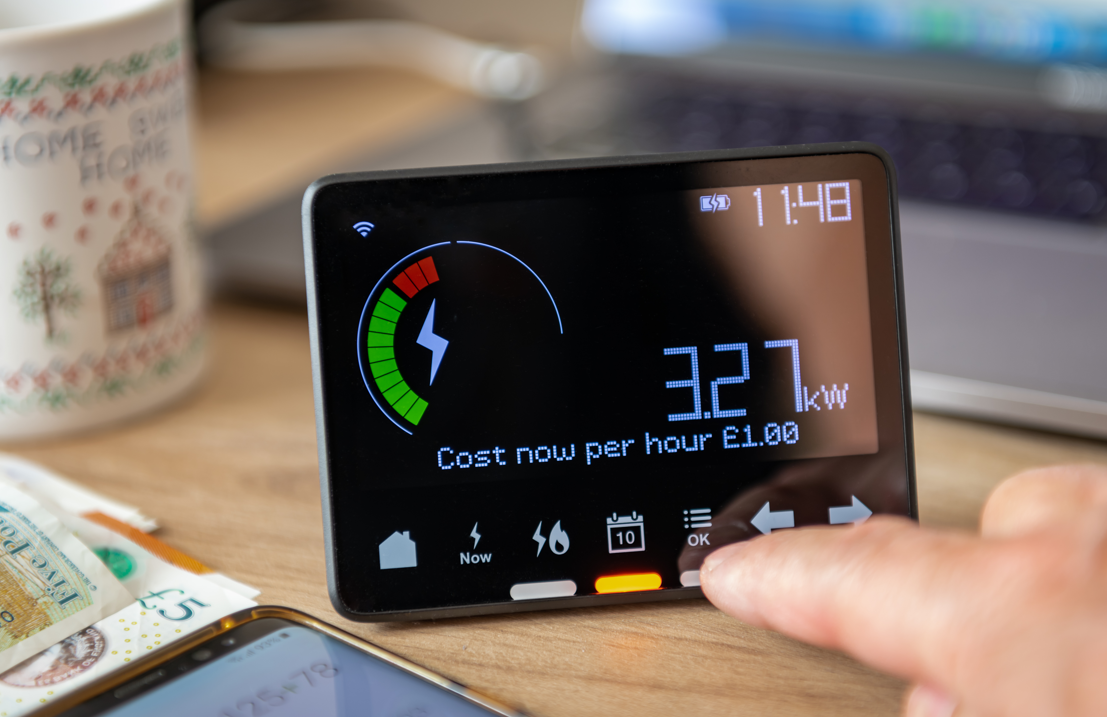
This page looks at the most common smart meter and in-home display problems, what may be causing them, and what you can do about them.
Note that although smart meters and in-home displays work together, they are separate devices. This means your smart meter may be working properly even if your display is not.
Use the links below to jump to the section that you need:
My electricity smart meter is not sending readings to my supplier.
My electricity meter is communicating, but my gas meter isn’t.
My electricity meter is communicating but my in-home display isn’t working.
My in-home display won’t turn on.
My in-home display stopped working after I switched supplier.
The energy usage on my in-home display looks correct, but the costs are wrong.
My in-home display is faulty or missing.
I want an alternative to an in-home display.
Compensation and your rights.
My supplier hasn’t fixed my smart meter.
You may find it useful to read our pages on smart meters and on energy monitors.
Citizens Advice have a useful tool to help you check if your smart meter is communicating.
My electricity smart meter is not sending readings to my supplier
If your electricity meter is not sending readings to your supplier, the problem is usually with its connection to the smart meter network. This can happen if there is a poor signal in your area or if your home has very thick outside walls.
This connection is called the Wide Area Network (WAN). It links your smart meter to the national smart meter network and your energy supplier.
Common signs of a WAN issue include:
- Your supplier is not receiving meter readings.
- Bills are based on estimated readings. You may see an “E” next to the reading or a note saying that the reading is estimated. For further guidance, see our advice sheet, Understanding your gas or electricity bill.
- Smart tariffs not working properly.
Your energy supplier is responsible for investigating and fixing WAN problems, and may do one of the following:
- Install a signal booster or aerial.
- Move the meter to a place with a better signal, such as an outside meter box.
- Replace an older 2G or 3G communications hub with a newer 4G one.
- Use new technology that connects through your home’s broadband, known as Virtual WAN (this should be available from 2027).
If your supplier is not making progress, you can make a formal complaint and escalate it to the Energy Ombudsman if the problem is not resolved. For guidance, please see How do I make a complaint to my energy supplier. If lots of homes in your area are affected, you might also consider contacting your MP; some communities have successfully secured network upgrades by doing this.
Don’t end up paying too much
It’s important to get accurate bills while your smart meter isn’t communicating. So until the problem is fixed, submit manual meter readings to your supplier every month. This helps make sure your bills are correct and stops you paying too much or building up debt.
There are many different types of smart meter so it’s not always obvious how to do this. Smart Energy GB can help you find instructions for reading your particular smart meter.
If you’re on a time-of-use tariff, be reassured that smart meters can store at least 13 months of your energy use recorded on a half-hourly basis. So when it reconnects, your supplier should be able to use this information to produce an accurate bill.
The Data Communications Company
You may read that the smart meter network is run by the Data Communications Company (DCC). However, you cannot contact the DCC directly. Instead, contact your energy supplier, who should work with the DCC to fix your issue.
My electricity meter is communicating, but my gas meter isn’t
If your supplier is receiving readings from your electricity meter but not your gas meter, the problem is usually the connection between the two meters across what’s called the ‘home area network’ (HAN).
The way it works is that your gas meter sends its readings to your supplier via the electricity meter. But if the gas meter is a long way from the electricity meter or if there are thick walls between them, then the connection might not work.
What can be done?
Your energy supplier is responsible for investigating and fixing HAN problems. They may:
- Install a dual-band communications hub which can send a signals over a longer distance.
- Fitt a Communications Hub Hot Shoe (a battery-powered device that can improve the connection).
- Change the frequency it communicates at to reduce interference from other devices.
- Installing a specialist wired equipment known as Alt HAN.
My electricity meter is communicating but my in-home display isn’t working
If your supplier is receiving readings from your smart meter but your in-home display isn’t showing any data, there may be a problem with the home area network (HAN) that connects your smart meter, gas meter and in-home display.
This can happen if there is a long distance between the communications hub and the display, or if thick walls block the signal.
What can be done?
Your supplier will first check that they are receiving readings from your smart meter. If they are, they may ask you to move the display closer to your smart meter or restart the display.
If this does not solve the problem, your supplier may:
- Install a dual-band communications hub that can send signals over a longer distance.
- Change communication frequencies to reduce interference from other devices.
- Install specialist wired equipment known as Alt HAN.
- Ask if you’d like to use their app for monitoring energy use instead.
My in-home display won’t turn on
If your display will not switch on or the screen is blank, try the following:
- Check that it is plugged in and charging.
- Leave it to charge for a while if the battery has run flat.
- Try turning it off and on again.
If your model has a reset option, follow the manufacturer’s instructions to reset it.
Note that in-home displays work best when left plugged in all the time.
My in-home display stopped working after I switched supplier
If you have an older smart meter called a SMETS1 smart meter, changing supplier can sometimes affect the functionality of your in-home display.
If this happens, contact your current supplier and ask them to check whether your smart meter and in-home display are communicating correctly. In some cases the issue can be resolved remotely.
The energy usage on my in-home display looks correct, but the costs are wrong
Your in-home display may be showing live energy use but displaying incorrect costs if the tariff information has not been updated.
Typically, the electricity unit rate should update every 10 seconds and the gas unit rate every 30 minutes.
If the tariff information appears out of date, ask your supplier to send an “Update Tariff Configuration” command to your in-home display.
My in-home display is faulty or missing
When a smart meter is installed, the in-home display is usually covered by a 12-month warranty. If the display develops a fault during this period, your supplier should arrange a replacement.
For in-home displays more than 12 months old or missing, all major suppliers have signed up to voluntary principles that commit them to:
- Having trained advisers who can explain replacement options.
- Providing information on their website about repairs and replacements (usually at a cost to you).
- Offering a replacement, mobile app, or where appropriate, an accessible in home display.
- Providing free or low-cost replacements for eligible customers on the Priority Services Register (PSR). For this reason, if you qualify for the PSR, it is worth registering before requesting a replacement.
If you are unhappy with your supplier’s response, you can raise a complaint with them and if necessary, escalate it to the energy ombudsman. For guidance on how to do this, please see our advice sheet Complaining about your supplier.
I want an alternative to an in-home display
Most suppliers offer a mobile app that provides similar information to an in-home display. This allows you to do things such as view your energy usage, track your costs, and access historical consumption data.
You may also be able to use independent apps that connect to your smart meter data, such as myenergy, Loop, ivie and Hugo Energy. These apps can help you monitor your energy use, track spending and better understand your household’s energy consumption.
However, unlike an in-home display, an app is not permanently visible in the home and is usually only accessed by one member of the household so where possible we would recommend getting an in-home display.
Compensation and your rights
New rules concerning your rights around smart meters were introduced for any issues that started after 23 February 2026. These state that you should automatically receive £40 compensation if:
- You wait more than six weeks for a smart meter installation appointment.
- A smart meter installation appointment fails because of a problem within the supplier’s control.
- You report a smart meter problem and your supplier does not provide a plan to fix it within five working days.
If you do not receive the payment within 10 working days, contact your supplier who should then pay you the original £40 compensation plus a further £40 for not paying on time. If they refuse, you should raise a complaint and, if necessary, take the case to the Energy Ombudsman. See How do I make a complaint to my energy supplier.
My supplier hasn’t fixed my smart meter
Suppliers must try to repair faulty smart meters within 90 days of being told about the problem. This rule applies to the smart meter itself, not the in-home display.
If your smart meter is still not working after 90 days make a formal complaint to your supplier (see How do I make a complaint to my energy supplier).
Ask what they have done to try to fix the problem, and if you are unhappy with their response, escalate the complaint to the Energy Ombudsman.
There is no automatic compensation if the 90-day target is missed. However, suppliers may face action from the regulator if they do not follow the rules.