Electric storage heaters
This information is also available in Arabic, Polish, Somali and easy read format.
How do electric storage heaters work?
Electric storage heaters, often called night storage heaters, store heat when electricity is cheaper, usually overnight. They then release it gradually during the day.
Most storage heaters are wall-mounted and look a bit like radiators. They use electricity to heat up ceramic or clay bricks.
How much do electric storage heaters cost to run?
Having electric storage heaters means you can take advantage of lower off-peak electricity rates to heat your home. They are designed to work with tariffs like Economy 7, a time-of-use electricity tariff where nighttime electricity is typically about half the price of daytime electricity – but the daytime electricity is usually more expensive than tariffs that only have a single rate of electricity throughout the day and night.
Other time-of-use tariffs are available, but Economy 7 can give you an idea of what’s on offer. Money Saving Expert has a comparison table of Economy 7 tariffs (remember to check when it was last updated to make sure the information’s up to date).
Modern storage heaters
The latest storage heater models have been improved in terms of how efficient and easy to control they are. New models can hold more heat for longer periods and include better insulation to ensure heat is only released when it’s needed (often via a fan-assisted system).
Many modern storage heaters also feature a thermostat and timer through a programmer or mobile app. This means you can set heat to be released at a time that suits you – for example when you get up in the morning.
Compared to old models, upgrading to a modern storage heater can help reduce your energy bills by about 10%.
High heat retention storage heaters
The most efficient modern storage heaters are called ‘high heat retention storage heaters’. They are up to 27% cheaper to run than standard storage heaters.
In addition to the features of other modern storage heaters, these models achieve even better heat retention and can estimate the next day’s heating demand based on user heating habits and climatic conditions (so you do not need to worry about adjusting input settings). High heat retention models include Dimplex’s Quantum heater, Heatstore’s HSDHHR range, the Elnur Gabarron Ecombi Arc and some Stiebel Eltron storage heaters.
Replacing old storage heaters with high heat retention models might also improve the Energy Performance Certificate (EPC) rating for your home.
Older electric storage heaters
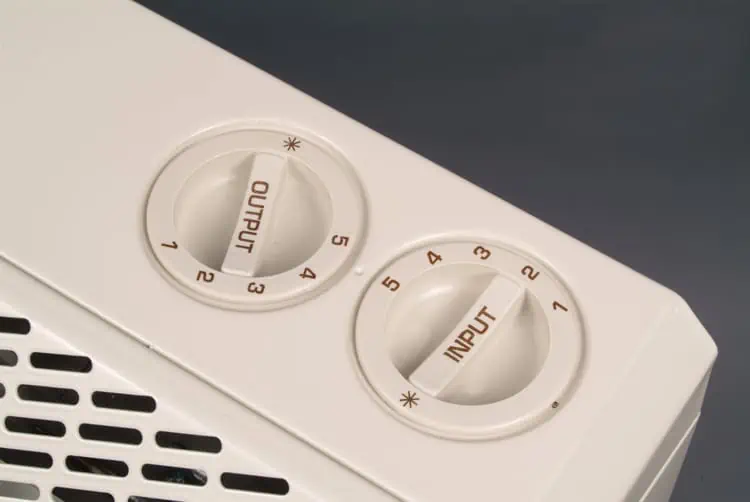
Older storage heaters, unlike the types described above, have simpler controls. An input setting allows you to regulate the amount of heat the heater stores overnight. This is important because, although night-rate electricity is cheaper, there’s no point paying for more than you need.
If it’s not particularly cold, or you’ll be out of the house for most of the day, you don’t need to set the input to maximum because there’s no point storing so much heat.
Most storage heaters will only charge up at night, so you can leave the input setting without danger of using expensive day-rate electricity.
The controls also have an output setting that allows you to regulate the amount of heat that the storage heater releases. The higher the setting, the quicker the heat is released into the room.
If the output is high all day, then the heater will run out of stored heat. It is better to adjust the output gradually, saving some heat for the evening. Overnight, or when you are out, you should set the output to minimum, otherwise the stored heat you’ve paid for will be wasted.
Some storage heaters have a ‘boost’ setting. This doesn’t use ‘cheap-rate’ stored heat, it uses expensive daytime electricity. It should only be used if the stored heat has run out.
Even if your storage heater controls are different, they still operate on the same input and output principle.

-
Advice
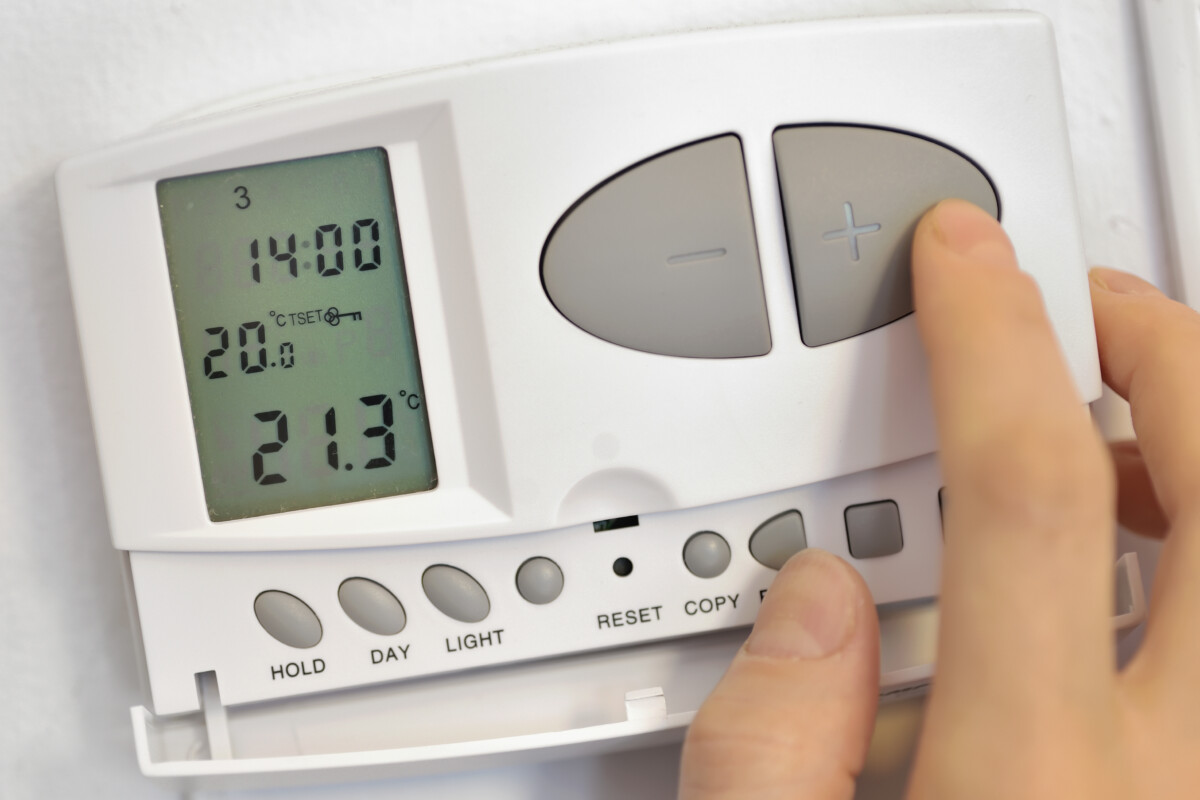
Gas and oil central heating controls
If you know how to set your heating controls, you’ll save money on your bills.
Saving money Keeping your home warm Healthy homes -
Advice
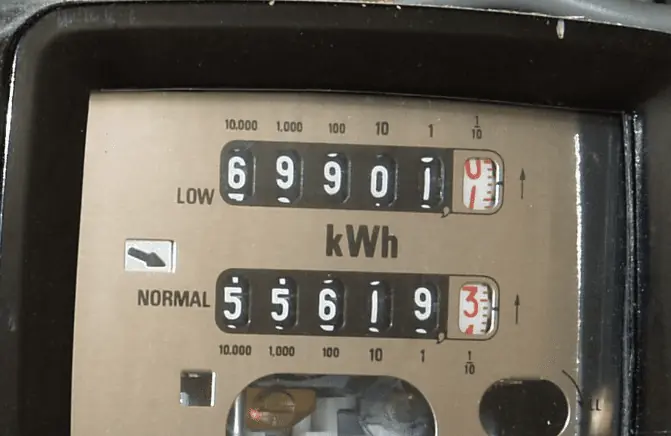
Economy 7
Find out more about the tariff where you pay a different price for your electricity at different times of day.
Your energy supply -
Advice
Room heaters
What type of room heater is best for you? We look at both electric and gas heaters.
Saving money Keeping your home warm -
Advice
Energy saving advice for renters
Free or low-cost things you can do to save you money on your gas and electricity if you rent your house or flat.
Saving money Keeping your home warm