Plug-in solar
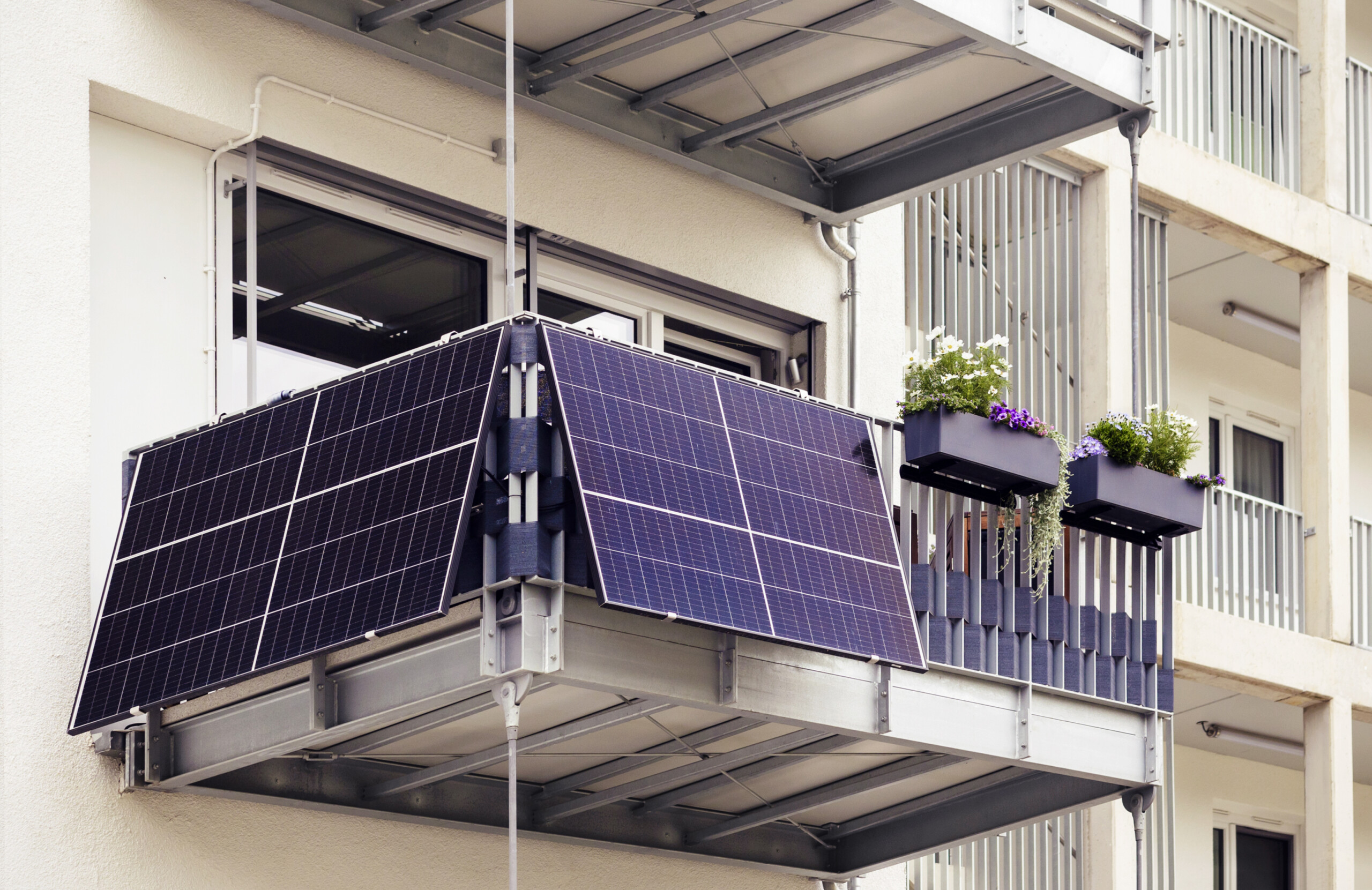
Plug-in solar panels, also called balcony solar panels, generate free electricity for use around your home. They could save you around £100 a year on your energy bills and cut your carbon emissions too.
How do plug-in solar panels work?
Plug-in solar panels are essentially a smaller version of the solar PV panels that are usually installed on roofs. They work in the same way by generating electricity when sunlight hits the panel. The electricity then flows into a device called an inverter which converts it for use in your home.
However, unlike solar PV panels, they aren’t hard-wired into your home circuit. Instead, they can plug into a standard outdoor socket. Once plugged in, the panels will feed the electricity they generate into your home’s electrical circuit. It really is that simple – we’re very used to electricity flowing out of sockets into appliances, but it will happily flow the other way too. Any other appliances using power at the same time will be able to use this free electricity.
Are plug-in solar panels worth the cost?
Solar panel kits typically cost between £500 and £1,000. Kits are likely to include one or two panels, an inverter, mounting equipment, cable and a standard three-pin plug.
With plug-in solar, you could save around £100 a year on your energy bills. So your payback period is five to ten years – this is the time taken to recover the initial cost of buying the panels through the savings on your bills.
Are plug-in solar panels right for my home?
Before buying plug-in solar, you should consider the possible locations and orientations that are available for your panels, as this will affect how much electricity they can produce.
Location
Good sites for a plug-in solar kit include balconies or gardens. Avoid rickety structures like some garden sheds, and make sure the panel is securely mounted wherever you choose to place it.
Bear in mind that some locations or property types may require professional advice or permissions before installation. For example, if you’re renting, you’ll likely need landlord permission. Read more about installation options for renters.
Check the dimensions of the panels you’re intending to buy and that they will fit in your intended location.
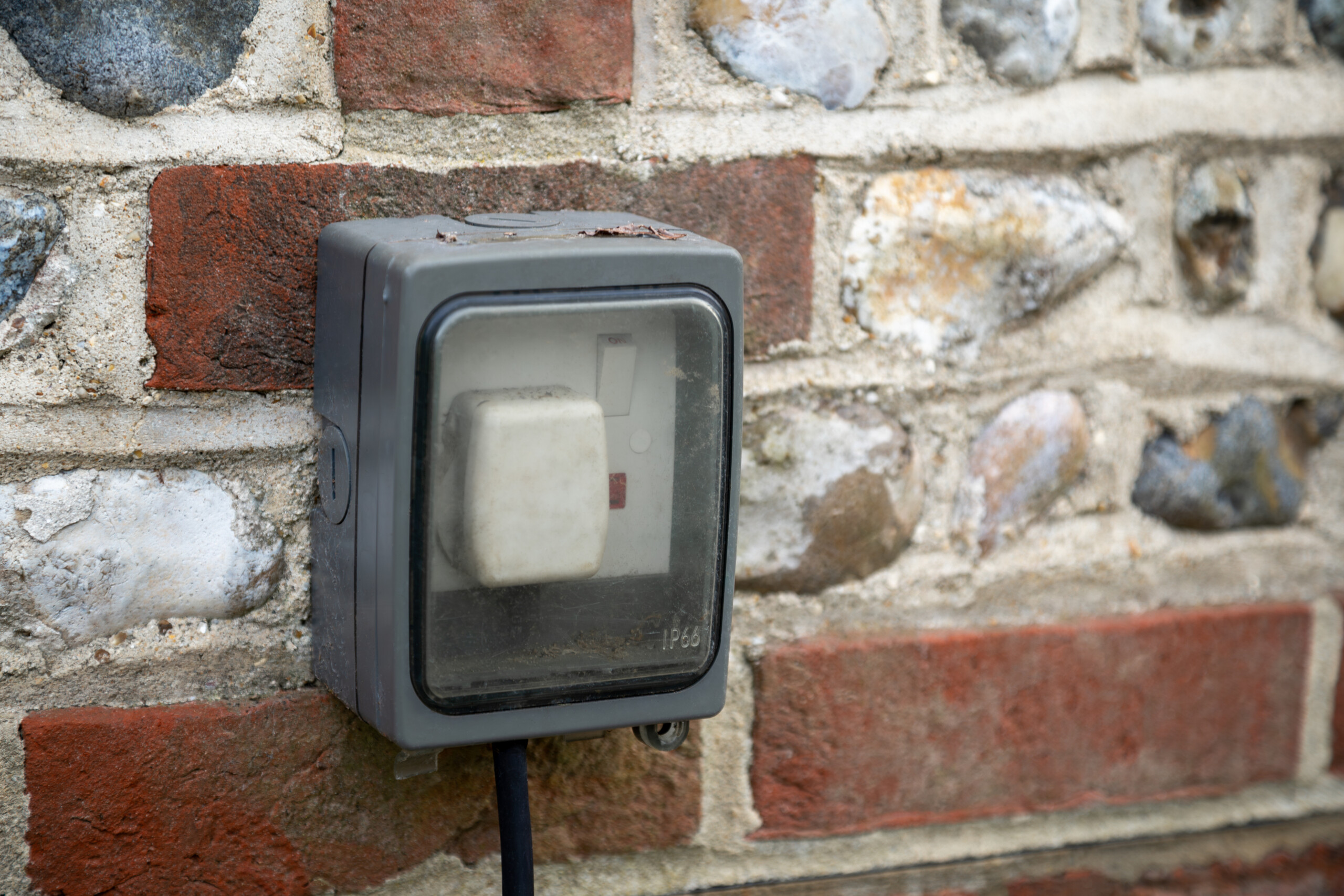
Any location for your plug-in solar will need to have a suitable outdoor plug socket within reach of its provided cable, as extension leads aren’t safe to use with plug-in solar. See our section on safety considerations for more information.
Orientation and angle
South-facing panels mounted at a tilt of 30 to 40 degrees is the best set-up in the UK. East-facing or west-facing panels will generate slightly less electricity and this generation will be shifted to the morning or evening respectively. You could still benefit from this by shifting your energy use to the morning or evening to make the most of the free electricity generated at those times.
Even if the panel is in a good location and orientation, it won’t be effective if sunlight is blocked by a high-rise building or a tree for much of the day. Check how the sun moves across the sky and whether the location becomes shaded at different times.
You could use an online calculator to get an estimate of how much you’re likely to save per year based on the location and orientation of your panels.
How much power can plug-in solar panels produce?
For safety reasons, each household is limited to installing a single 800W plug-in kit. So what does 800W mean in terms of your home’s energy use?
You use some electricity every day for running appliances that are always on in the background: things like wi-fi routers or fridge-freezers. This background electricity use is called your home’s ‘baseload’. An average baseload is around 110W, so a 800W plug-in solar kit can easily supply enough electricity to cover this.
Baseloads can vary significantly between homes. You can measure your home’s baseload using an energy monitor. If your house has a higher baseload than average, that’s a good reason for getting plug-in solar as you’ll naturally use a greater amount of the free electricity generated.
Once you’ve accounted for your baseload, you can see what’s left over for running your other appliances. Many typical appliances use less than 800W – for example an LCD TV is 120W, a desktop computer 140W and a dehumidifier 500W. Plug-in solar could alternatively contribute some energy towards the running of larger appliances, with the rest getting topped up by the grid. Find out how much electricity different appliances use.
800W is the maximum possible output, rather than what’s produced all the time. On a sunny day it will peak at this level at midday and gradually drop off on either side.
What if there’s electricity left over?
Any excess electricity that you don’t use in your home will go back to the grid for someone else to use.
Some suppliers are planning to provide export tariffs, meaning you might be able to get paid for the excess electricity you send back to the grid. However, it’s always better to first make sure you use as much free electricity as possible. While you’ll earn less from exporting, you’ll save more than this on your bills.
Can I use plug-in solar panels with a battery?
Plug-in solar panels with integrated battery storage are not currently compliant with UK regulations. Generally, battery storage systems must be hard-wired into your home’s circuit by a qualified electrician, meaning they’re not easy to set up alongside plug-in solar.
However, plug-in solar is still worth having without a battery. A battery would be a significant extra upfront cost but provide limited benefit. This is because you’ll naturally use a lot of the electricity generated, making battery storage less useful.
Rather than storing your electricity, you can make the most of your free electricity by shifting your usage to sunny periods.
Installing your plug-in solar panels
Installation options for homeowners
A neat and permanent solution is a weatherproof outdoor socket dedicated to the plug-in solar system year-round. Installing an outdoor plug is a straightforward job for a qualified electrician.
If you’re unable to install an outdoor socket, speak to a qualified electrician about the safest option for your home.
If you’re a leaseholder (usually the case if you own a flat), you’ll need to check the terms of your lease and get relevant permissions from freeholders or property management before installation.
Installation options for renters
Plug-in solar may suit some renters as systems are portable and do not necessarily require permanent changes to the building. If you’re able to use a free-standing mount (one that doesn’t need to be screwed into a wall) in a space that isn’t a communal space, you might be able to use plug-in solar without needing permission from your landlord.
However, this might vary between tenancy agreements. Generally, it’s good practice to inform your landlord.
If outdoor plug sockets need to be installed or any drilling needs to take place, you will need your landlord’s permission first.
Safety considerations
To ensure you install and use plug-in solar safely, always buy a compliant product from reputable sellers and follow manufacturer installation instructions closely. A list of compliant kits can be found here.
Plug-in solar kits are big and heavy; before you buy one, make sure you have a safe way of transporting it from the shop to your home.
Worn-out wiring, old consumer units and previous DIY alterations could make plug-in solar unsafe to use. If you have any doubts about your home wiring, you should have it professionally assessed by a qualified electrician before connecting plug-in solar. This could be combined with any other electrical work you might need before installing plug-in solar (e.g. installing an outdoor socket).
Always plug your panels directly into a suitable mains outdoor socket. Extension leads, smart plugs and adaptors aren’t designed for the backflow of current and using them for plug-in solar is unsafe. Running the cable through window or door openings also isn’t safe or practical.
After installation
Register your plug-in solar panels
You should register your plug-in solar within 28 days of installation. This will notify your District Network Operator (DNO). Your DNO helps connect your home to the grid and is different from your supplier.
Monitoring options
You can monitor some plug-in solar systems via an app on your smartphone. Through the app, you’ll be able to track the electricity that your panels are generating in real time and see how much electricity they’ve generated for you in total.
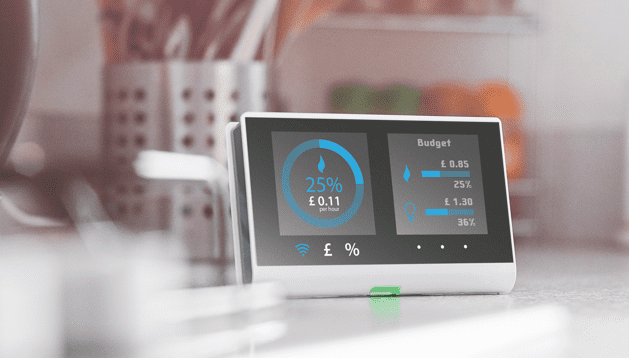
The app alone won’t show you how much of this electricity you’re using, but you can track this via an energy monitor, if you have one. The import reading on the monitor will show how much electricity you’re using from the grid on top of what’s provided by your plug-in solar. If it reads zero, it means all your home’s electricity is being provided by your panels.
How to make the most of your plug-in solar panels
To make the most of the free electricity generated by your plug-in solar panels, you should shift your electricity use to when the sun is shining. Here are a few ideas:
- If you have electric heating for your hot water (either a heat pump or an immersion heater), schedule this to take place during the middle of the day.
- Charge larger appliances during the day – things like electric bikes, power banks, mobility scooters, or power tools.
- Use long, low-energy settings on your washing machine or dishwasher, and automate these to run during the daytime.
- Run a slow cooker during the day to prepare your evening meal.
- Charge smaller appliances such as phones and laptops.
To avoid going above the maximum output of your solar panels, try to stagger these activities throughout the day. You can schedule your charging using smart plugs or timer plugs.
-
Advice
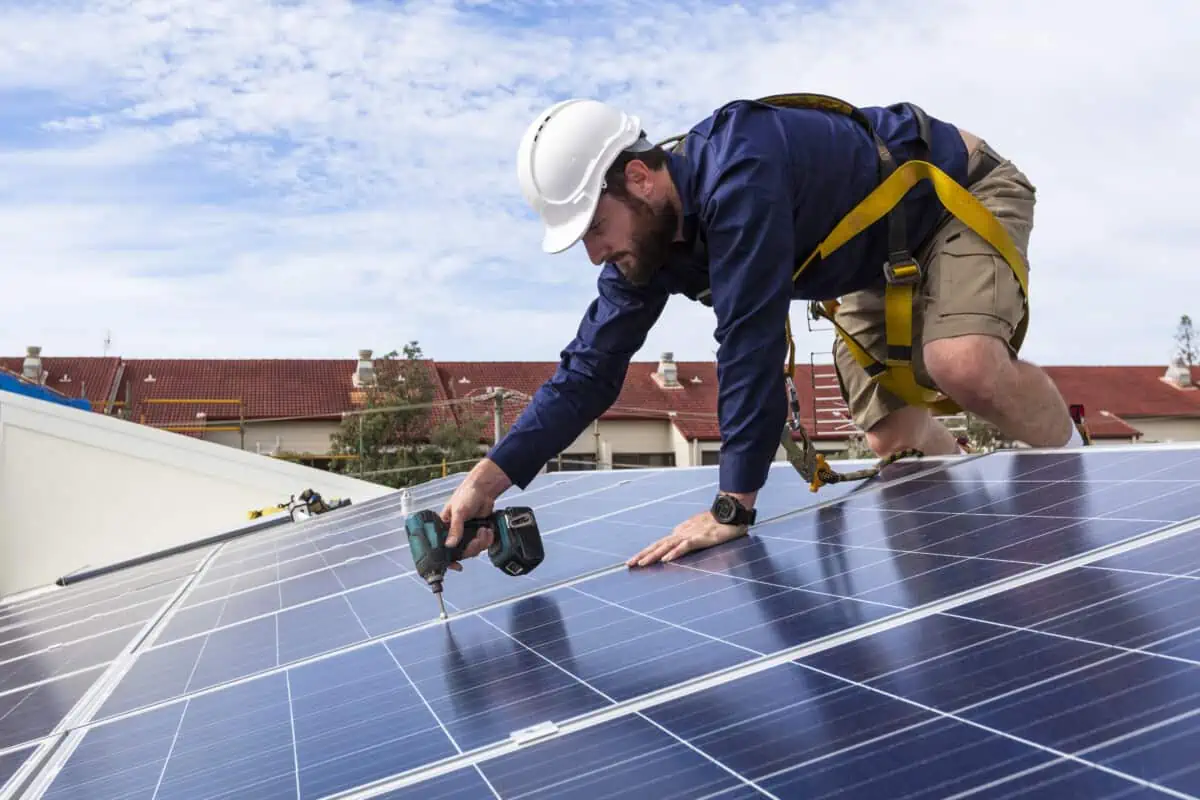
Solar PV
How solar PV works, the costs, the installation process and the grants available.
Renewable energy An energy efficient home -
Advice
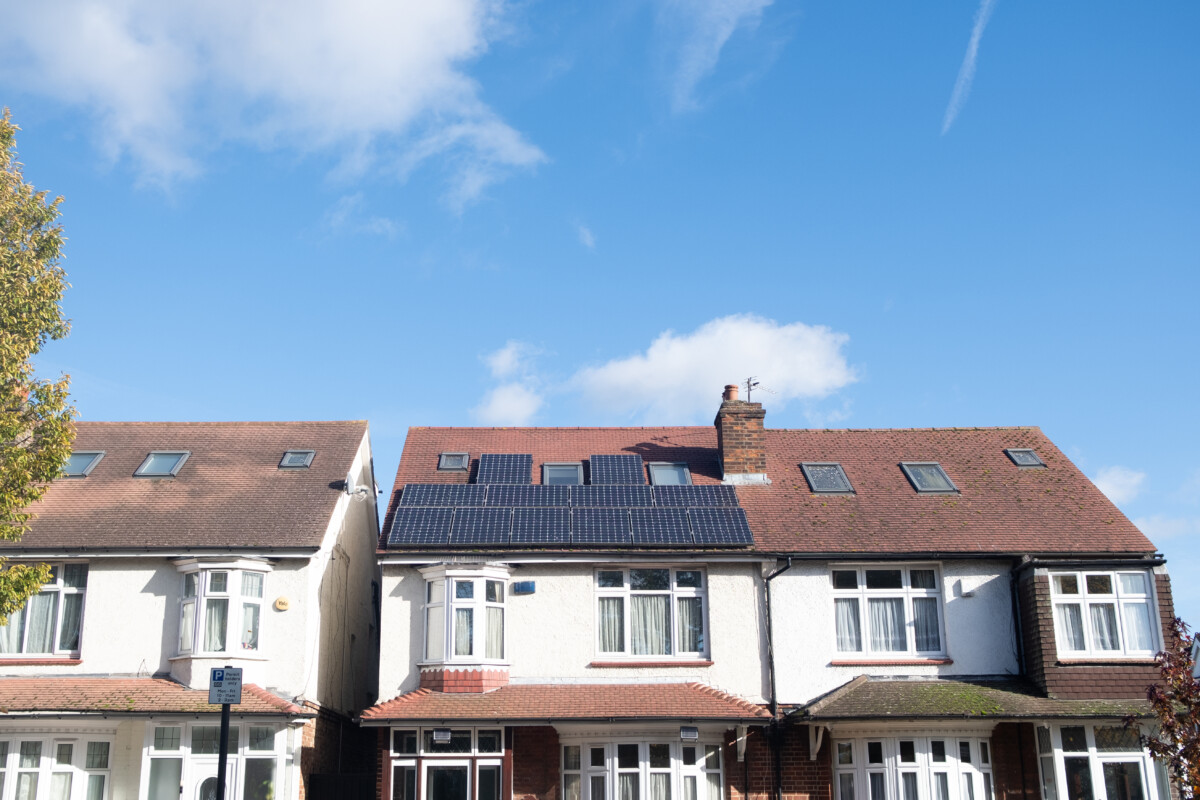
Making the most of your solar pv panels
Maximise the benefit of your solar panels by thinking differently about how and when you consume electricity.
Saving money Renewable energy An energy efficient home -
Advice
Energy monitors
See your home’s real time electricity use (sometimes gas as well) and cut your bills.
Saving money Your energy supply Managing your bills Smart energy